
There’s a moment in Texas when the land stops looking like Texas.
It usually happens sometime in spring, when the air starts warming up but hasn’t turned harsh yet. You’re driving through what looks like an ordinary stretch of road dry grass, open sky, the kind of landscape you expect from central Texas and then suddenly, there’s color.
At first it’s just a patch.
Then another.
And before you really process it, entire fields stretch out in shades of deep blue, mixed with hints of red and yellow. The hills soften, the roads feel more alive, and everything looks like it’s been gently painted over.
That’s when you know bluebonnet season has arrived.
And if you’ve never seen it in person, it’s very different from what you might imagine.
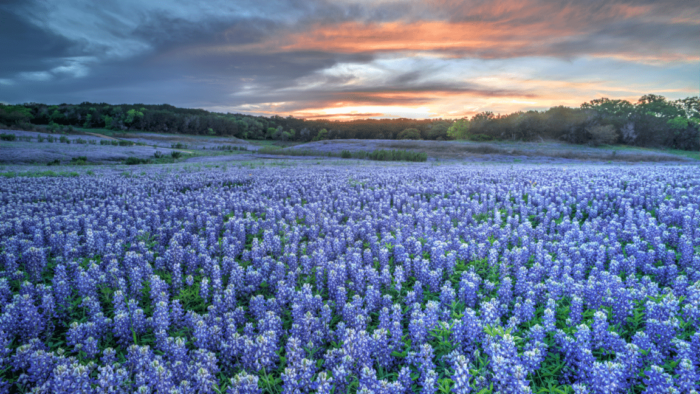
The First Time You Notice the Bluebonnets
What makes the bluebonnets special isn’t just how they look it’s how they appear.
They’re not arranged in gardens or curated spaces. No fences, no perfect symmetry. They grow where they want to grow. Along highways, across ranch land, around fences, spilling over hills like they’ve always belonged there.
That’s why the experience feels so unexpected.
You don’t arrive at a “bluebonnet spot” the way you would at a park. You discover them while you’re moving. And once you do, you slow down without even thinking about it.
Cars pull over. People step out quietly. Conversations soften.
It’s one of those rare travel moments where everyone seems to understand that nothing needs to be rushed.
When to Go (and why it never feels predictable)
Bluebonnet season usually begins sometime in March and stretches into April, but it’s never exactly the same each year.
A slightly warmer winter might bring them out early. A late cold spell might delay everything. Rainfall plays a role too good rain means fuller, denser blooms.
Locals tend to keep a close eye on it. You’ll see updates online, photos popping up on social media, people casually mentioning “they’re starting to come in” as if it’s an annual ritual.
If you’re planning a trip, aim for late March to mid-April, but leave a little room for flexibility if you can. The difference of a week can completely change what you see.
And even within the same region, blooms don’t all peak at once. One road might be covered in flowers while another is just beginning.
Where the Landscape Feels the Most Alive
The Texas Hill Country is where bluebonnet season feels the most immersive.
Places like Fredericksburg, Marble Falls, Burnet, and Llano become part of this soft transformation. The roads between these towns are often more beautiful than the towns themselves during this time.
There’s a stretch between Marble Falls and Burnet that people return to every year. Not because it’s officially marked or curated, but because the hills naturally fill with color in a way that feels almost unreal.
Willow City Loop, near Fredericksburg, is another drive that becomes especially popular in spring. It’s a winding road through ranch land where wildflowers seem to follow you the entire way. You don’t drive it for speed you drive it slowly, windows down, stopping whenever something catches your eye.
And that happens often.
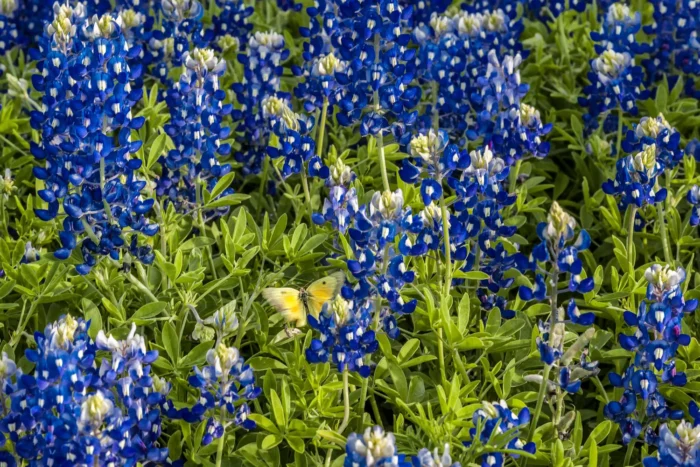
The Kind of Day That Unfolds on Its Own
A bluebonnet day doesn’t really need a plan.
You start somewhere maybe Fredericksburg, maybe Austin and begin driving. You might have a route in mind, but it rarely stays fixed.
You’ll pull over more than you expect. Walk into fields more than you planned. Spend more time standing still than moving.
By late morning, the sun gets stronger, and you’ll probably feel like taking a break. That’s when the small towns start to matter.
Fredericksburg, for example, feels like a natural pause. It has that slightly European charm boutiques, bakeries, quiet wine bars. You sit down for lunch, maybe somewhere simple, maybe with a glass of local wine, and for a while, the flowers fade into the background.
Then you step outside again, and they’re right there waiting.
Where to Eat Without Overthinking It
Food in the Hill Country feels honest.
It’s not about chasing trendy spots it’s about places that feel comfortable after a long morning outdoors.
In Fredericksburg, you’ll find cafés where you can sit outside, take your time, and not feel rushed. Places that serve fresh bread, simple meals, good coffee.
If you’re in the mood for something slightly more indulgent, the wineries around the area offer beautiful views along with tastings. Sitting there in the afternoon, looking out at the rolling hills (often dotted with wildflowers), feels like an extension of the drive rather than a separate activity.
In smaller towns like Burnet or Llano, meals feel even simpler local diners, barbecue spots, places where the focus is more on comfort than presentation.
And somehow, that fits the experience better.
The Photos You Don’t Have to Force
Bluebonnets photograph beautifully, but what’s interesting is that the best photos often happen when you’re not trying too hard.
It’s the contrast—the deep blue against open sky, the softness of the flowers against rough fences, the way the hills curve gently under layers of color.
Early morning light gives everything a soft, almost pastel look. Late afternoon adds warmth and depth. Midday can be bright, but even then, the sheer amount of color makes it work.
One thing people here are mindful of is respecting the fields. Many grow on private land, and even in public areas, stepping carefully helps preserve what makes the experience special.
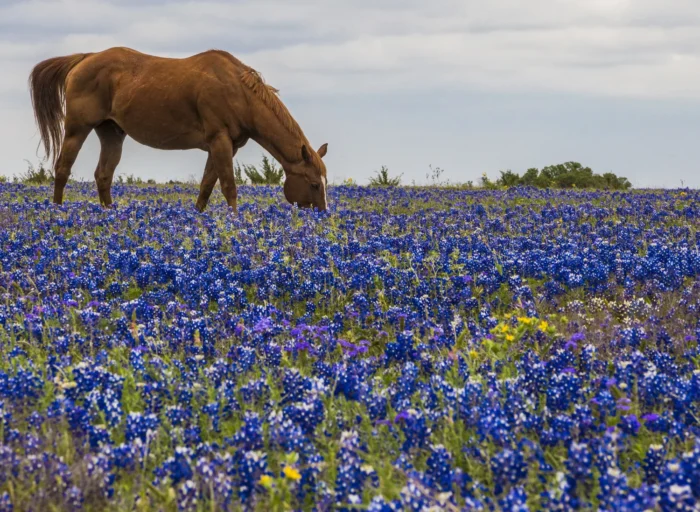
Getting There and Moving Around
Most people base themselves in Austin or San Antonio and drive out into Hill Country.
Austin to Fredericksburg takes about an hour and a half, depending on traffic. The drive itself is part of the experience, especially once you leave the city behind and the landscape starts opening up.
Having a car isn’t just helpful it’s essential. Bluebonnet season isn’t something you can experience from a single location. It lives in the roads between places.
Gas stations, small stops, roadside stands they all become part of the rhythm of the day.
The Festival That Grows Around the Flowers
In Burnet, the Bluebonnet Festival adds another layer to the season.
There’s music, parades, local vendors, and a sense of community that feels very Texas. It’s more lively than the quiet countryside drives, but still connected to the same idea celebrating something that only happens once a year.
Some people plan their visit around the festival. Others come just for the fields and stumble into it by chance.
Either way, it feels like part of the experience rather than the main event.
Why This Stays With You
There’s no single landmark here.
No one “must-see” spot.
And maybe that’s exactly why it stays with you.
Bluebonnet season isn’t about arriving somewhere it’s about noticing something that’s already there. It’s about slowing down enough to see it.
The roads, the hills, the small towns, the quiet moments between stops they all blend together in a way that feels effortless.
You leave with photos, of course.
But more than that, you leave with the feeling of having been somewhere that didn’t try to impress you and still did.
