
France remains one of Europe’s most visited countries for good reason. It combines globally recognized landmarks, varied regional identities, strong culinary traditions, and a travel infrastructure that makes moving between destinations relatively straightforward. Within a single trip, travelers can experience historic cities, Mediterranean coastline, vineyard regions, alpine landscapes, and small towns with entirely different atmospheres.
For first time visitors, however, planning a trip to France can be more complex than expected. The country’s appeal extends far beyond Paris, and each region offers a distinctly different experience in terms of scenery, pace, architecture, and culture.
This guide covers how to reach France, how to get around, and which destinations are most worth prioritizing depending on the kind of trip you want to build.
How to Reach France
Most international travelers begin their trip in Paris, which serves as the country’s primary gateway and transportation hub.
Major Arrival Airports
- Charles de Gaulle Airport (Paris) – France’s largest international airport
- Orly Airport (Paris) – Secondary airport serving domestic and international routes
- Nice Côte d’Azur Airport – Main airport for the French Riviera
- Lyon-Saint Exupéry Airport – Useful for southeastern France itineraries
Average Flight Duration from the U.S.
- East Coast to Paris: approximately 7–9 hours direct
- Central U.S.: approximately 9–11 hours
- West Coast: approximately 11–14+ hours
How to Get Around France
High Speed Trains (TGV)
Best for:
- Travel between major cities
- Fast regional movement with minimal hassle
Domestic Flights
Useful for:
- Long distance routes when time is limited
Rental Cars
Recommended for:
- Provence
- Loire Valley
- Smaller towns and countryside travel
Best Places to Visit in France
1. Paris
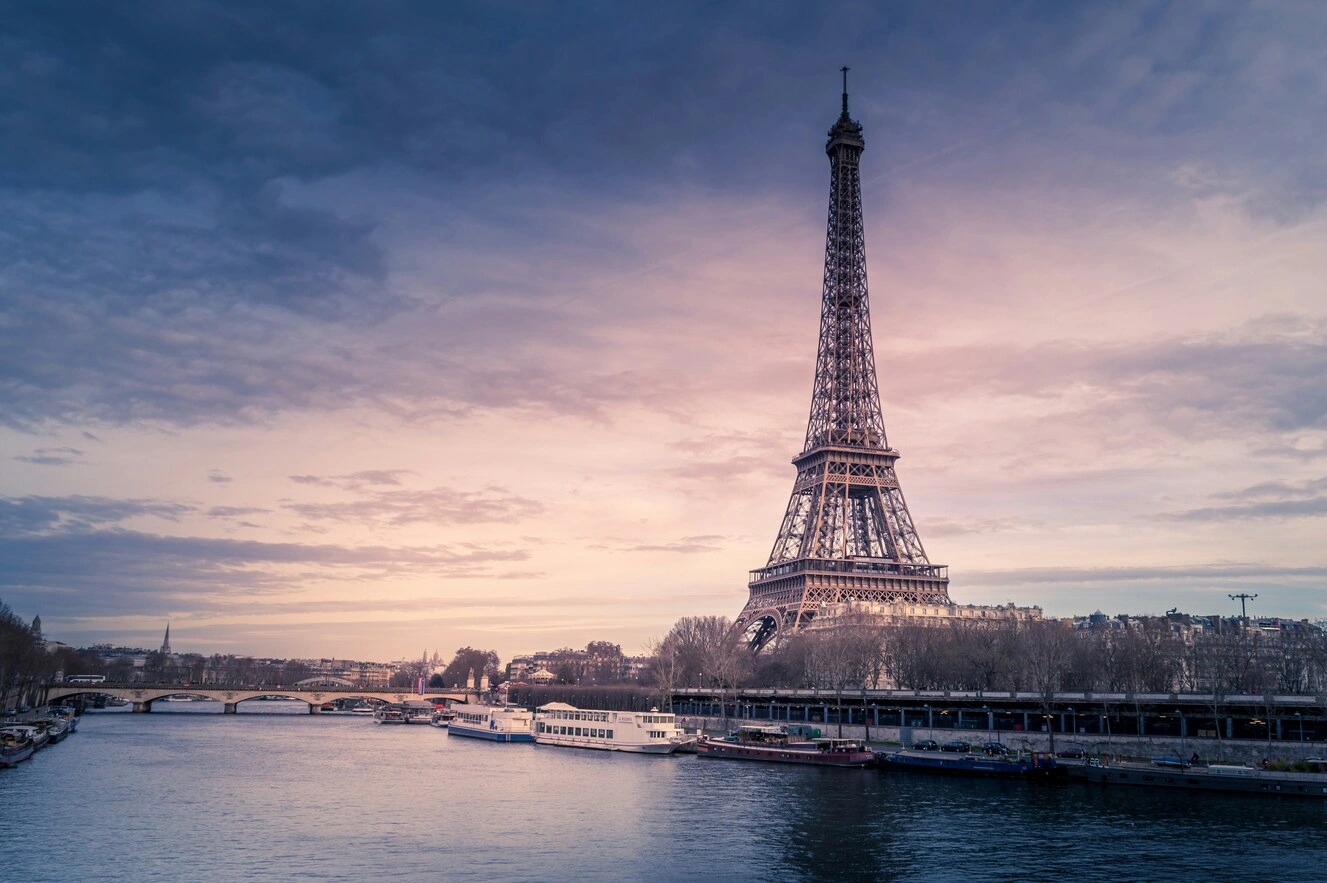
Paris remains the defining destination for most trips to France and continues to justify that reputation. While its landmarks are among the most recognized in the world, the city’s appeal extends well beyond individual attractions. Much of what makes Paris compelling lies in its overall atmosphere, its architecture, walkable neighborhoods, café culture, and the way daily life unfolds in its public spaces.
For first time visitors to France, Paris offers the strongest introduction to the country’s cultural identity and serves as an effective foundation for understanding the rest of the country.
Why Visit Paris
Paris is ideal for travelers seeking a mix of architecture, museums, food culture, and historic landmarks within a highly walkable urban setting. It works equally well as a standalone trip or as the starting point for a broader France itinerary.
Things to Do in Paris
- Visit the Eiffel Tower
France’s most recognizable landmark and one of the city’s defining visual anchors. - Explore the Louvre Museum
One of the world’s most significant museums, home to an extensive collection spanning multiple eras and civilizations. - Walk Along the Seine
The riverbanks provide some of the city’s most characteristic views and atmosphere. - Explore Montmartre
A hillside neighborhood known for its streetscape, artistic history, and elevated city views. - Visit Notre-Dame and Île de la Cité
A historic part of the city central to Paris’ development and identity. - Spend Time in Local Cafés and Neighborhoods
Much of Paris is best experienced through unstructured time rather than strict sightseeing.
Best For
- First time visitors to France
- Culture focused travelers
- Couples and city break travelers
- Travelers interested in architecture and museums
Best Time to Visit
- Spring and autumn generally provide the most pleasant weather conditions.
- Summer remains popular, though it brings larger crowds and warmer temperatures.
Travel Notes
Paris can comfortably support 4–6 days without feeling repetitive and is often the most practical arrival point for travelers building a broader France itinerary.
2. French Riviera
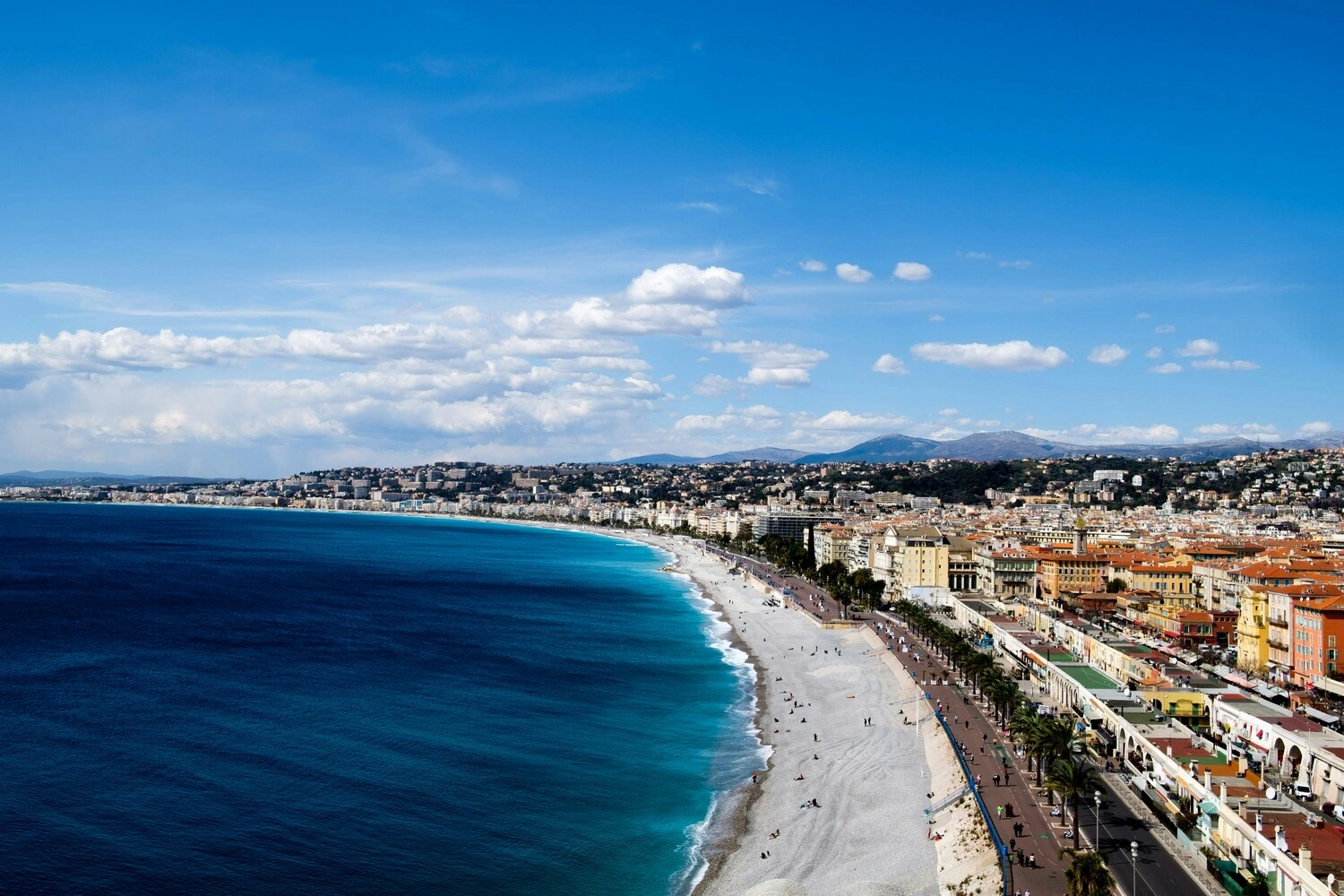
The French Riviera offers one of the most polished coastal travel experiences in Europe, combining Mediterranean scenery with resort towns, beach culture, and a distinctly refined atmosphere. Stretching along the southeastern coastline of France, the region is known for balancing natural beauty with an upscale leisure oriented travel style.
Rather than functioning as a single destination, the Riviera is best understood as a region made up of several interconnected towns and coastal stops each with its own character but all sharing the same Mediterranean setting and pace.
Why Visit the French Riviera
The French Riviera is ideal for travelers looking for a coastal vacation centered around scenery, leisure, and elegant seaside towns. It works particularly well for those who want beach access without sacrificing cultural atmosphere or regional variety.
Things to Do on the French Riviera
- Explore Nice’s Old Town and Promenade des Anglais
The region’s most accessible and well rounded base, offering beach access, local markets, and a lively waterfront. - Take a Day Trip to Cannes
Known for its marina, luxury shopping, and polished resort atmosphere. - Visit the Hilltop Village of Èze
A scenic medieval village offering elevated views over the coastline. - Explore Monaco
Easily reachable from much of the Riviera and known for its harbor, casinos, and upscale atmosphere. - Relax on Mediterranean Beaches
Public and private beach clubs are a defining part of the Riviera experience. - Enjoy Coastal Dining and Waterfront Walks
Much of the region’s appeal lies in its slower paced seaside lifestyle.
Best For
- Coastal leisure vacations
- Luxury and premium travel
- Couples and scenic focused travelers
- Summer trips to France
Best Time to Visit
- May to September offers the best beach and coastal weather.
- Summer is peak season, with the warmest temperatures and strongest atmosphere.
Travel Notes
The Riviera is most commonly reached via Nice Côte d’Azur Airport or by train from Paris. It works best when approached as a regional stay of 3–5 days, allowing time to explore multiple towns rather than rushing through individual stops.
3. Provence
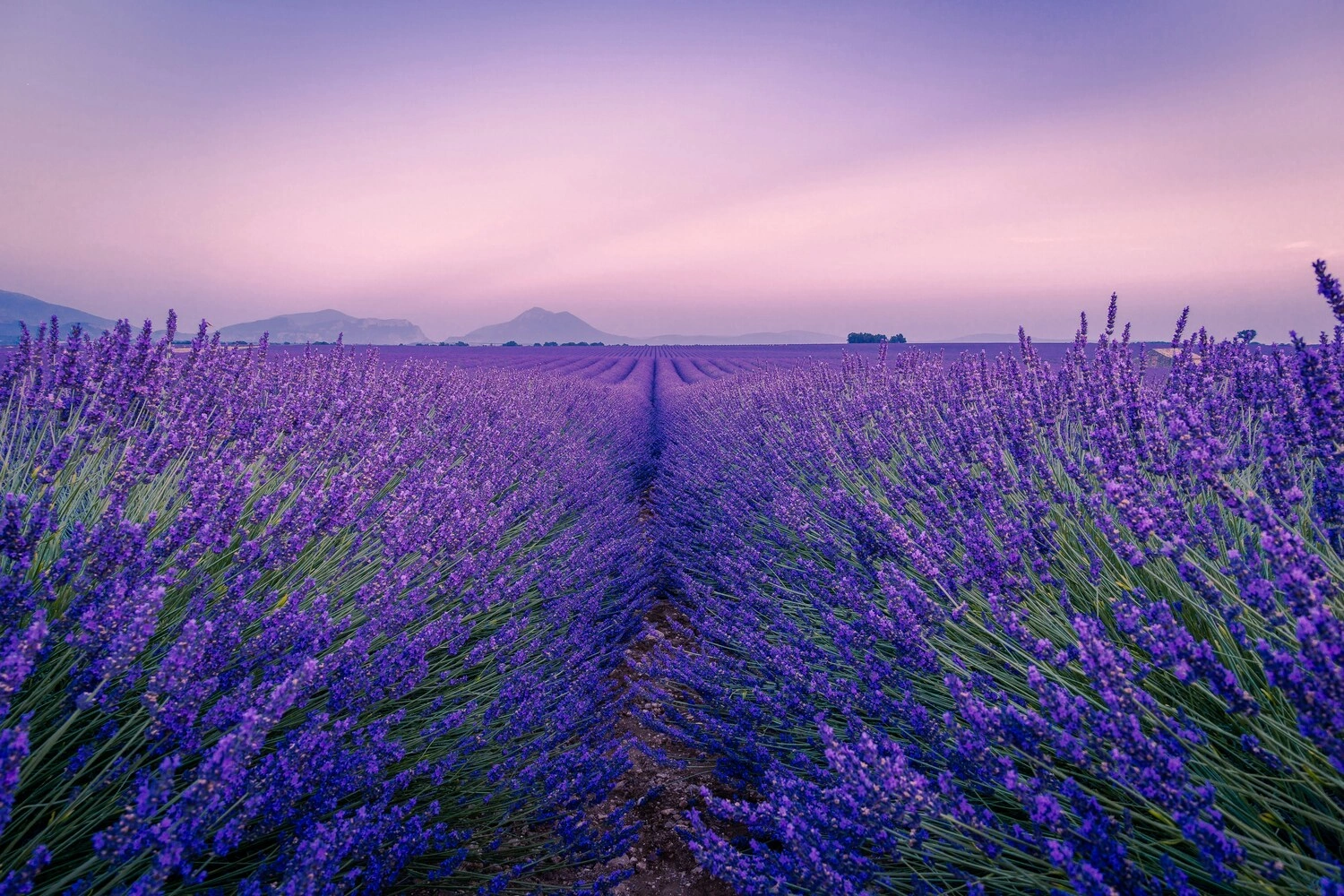
Provence offers a markedly different side of France from its larger cities and coastal resorts, defined less by major landmarks and more by atmosphere, landscape, and pace. Known for its countryside scenery, hilltop villages, vineyards, and seasonal lavender fields, the region appeals to travelers looking for a slower and more scenic style of travel.
Its character is shaped by smaller towns, open rural landscapes, and a lifestyle centered around markets, food, and outdoor living rather than structured sightseeing.
Why Visit Provence
Provence is ideal for travelers who prefer countryside scenery, slower paced travel, and a more regional experience focused on local atmosphere rather than major attractions. It is particularly rewarding for those who enjoy scenic drives, village exploration, and food and wine oriented travel.
Things to Do in Provence
- Visit Lavender Fields (Seasonal)
One of the region’s best known visual highlights, typically at peak bloom in early to mid summer. - Wander through hilltop settlements like Gordes and Roussillon
Known for their elevated viewpoints, traditional stone architecture, and walkable village centers. - Visit Local Markets
Outdoor markets are central to the Provençal experience and showcase regional produce, food, and crafts. - Tour Vineyards and Wineries
The region produces a wide range of wines, particularly rosé. - Explore Aix-en-Provence
A historic city known for its architecture, cafés, and refined atmosphere. - Drive Scenic Rural Routes
Much of Provence is best experienced through unhurried exploration by road.
Best For
- Slow travel and relaxed itineraries
- Couples
- Food and wine travelers
- Countryside and scenic focused trips
Best Time to Visit
- Travel conditions are usually at their best from late spring through early autumn.
- Summer is especially popular for lavender season and outdoor exploration.
Travel Notes
Provence is best explored by rental car, as many of its most appealing villages and rural areas are not efficiently connected by public transport. The region works best when given 3–5 days or more, particularly for travelers who prefer a slower pace.
4. Lyon
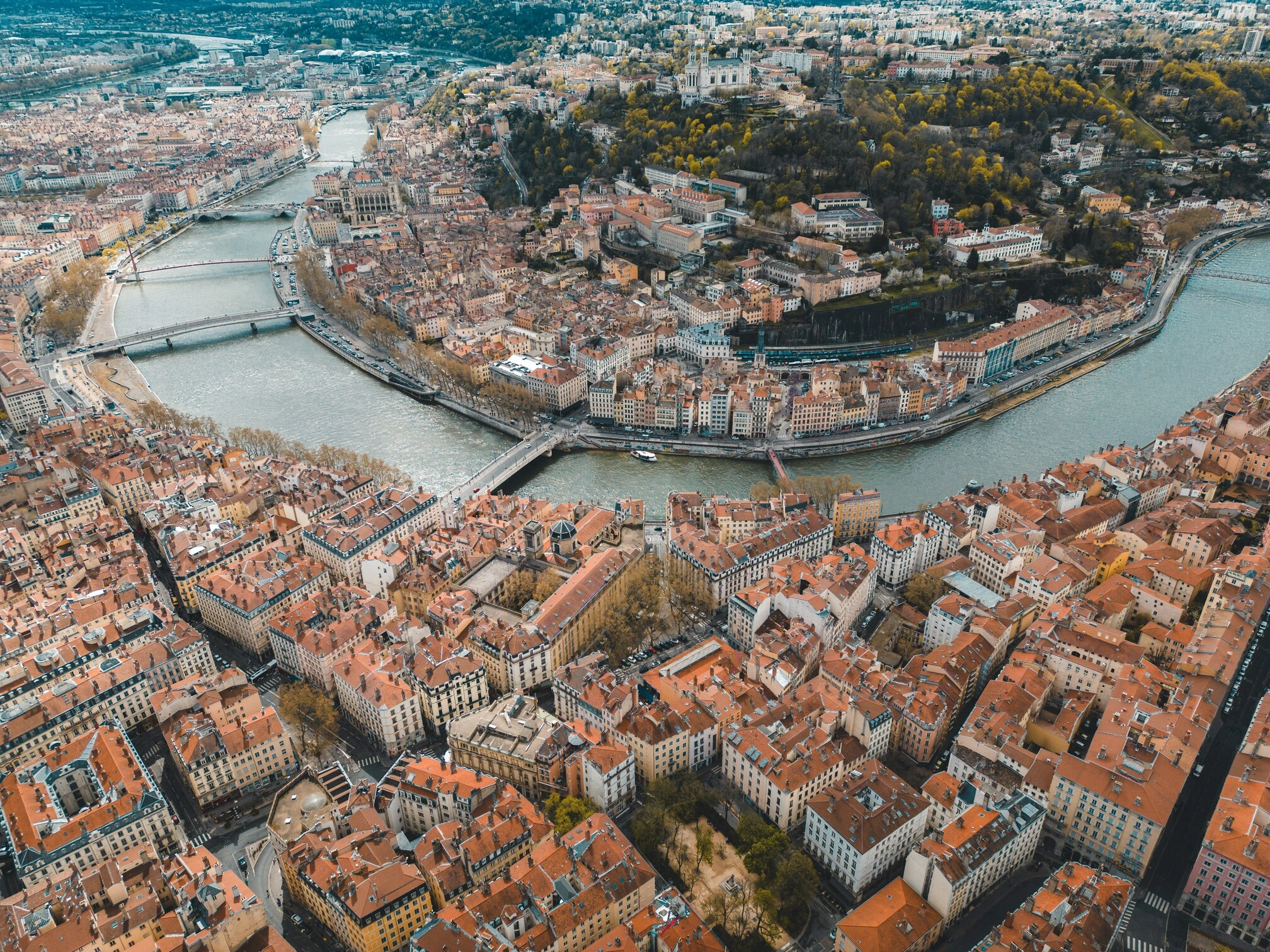
Lyon offers one of the most well rounded city experiences in France outside of Paris and is particularly known for its food culture, historic districts, and more local atmosphere. Situated at the meeting point of the Rhône and Saône rivers, the city combines architectural character with a pace that feels more relaxed and less tourism driven than the capital.
While often overlooked by first time visitors, Lyon is one of the strongest choices for travelers wanting an urban destination with cultural depth but without the scale and intensity of Paris.
Why Visit Lyon
Lyon is ideal for travelers who prioritize food, architecture, and city atmosphere, and for those looking to experience a major French city with a more local and less crowded feel than Paris.
Things to Do in Lyon
- Explore Vieux Lyon
The city’s historic old town, known for its Renaissance architecture and narrow pedestrian streets. - Visit the Basilica of Notre-Dame de Fourvière
A hilltop basilica offering some of the best panoramic views over the city. - Walk Along the Rhône and Saône Rivers
The riverside promenades are central to the city’s layout and atmosphere. - Dine at Traditional Bouchons
Lyon’s local restaurants are a major part of its identity and one of the main reasons many travelers visit. - Explore Les Halles de Lyon Paul Bocuse
A renowned indoor food market showcasing regional specialties. - Discover Traboules in the Historic District
Hidden passageways unique to Lyon’s old neighborhoods.
Best For
- Food focused travelers
- Repeat visitors to France
- Travelers seeking a city alternative to Paris
- Urban and architecture focused trips
Best Time to Visit
- Spring and autumn generally offer the best overall conditions.
- Summer is also pleasant, particularly for outdoor dining and riverside walks.
Travel Notes
Lyon is easily reached by high speed train from Paris and can function either as a standalone city break or as part of a broader southeastern France itinerary.
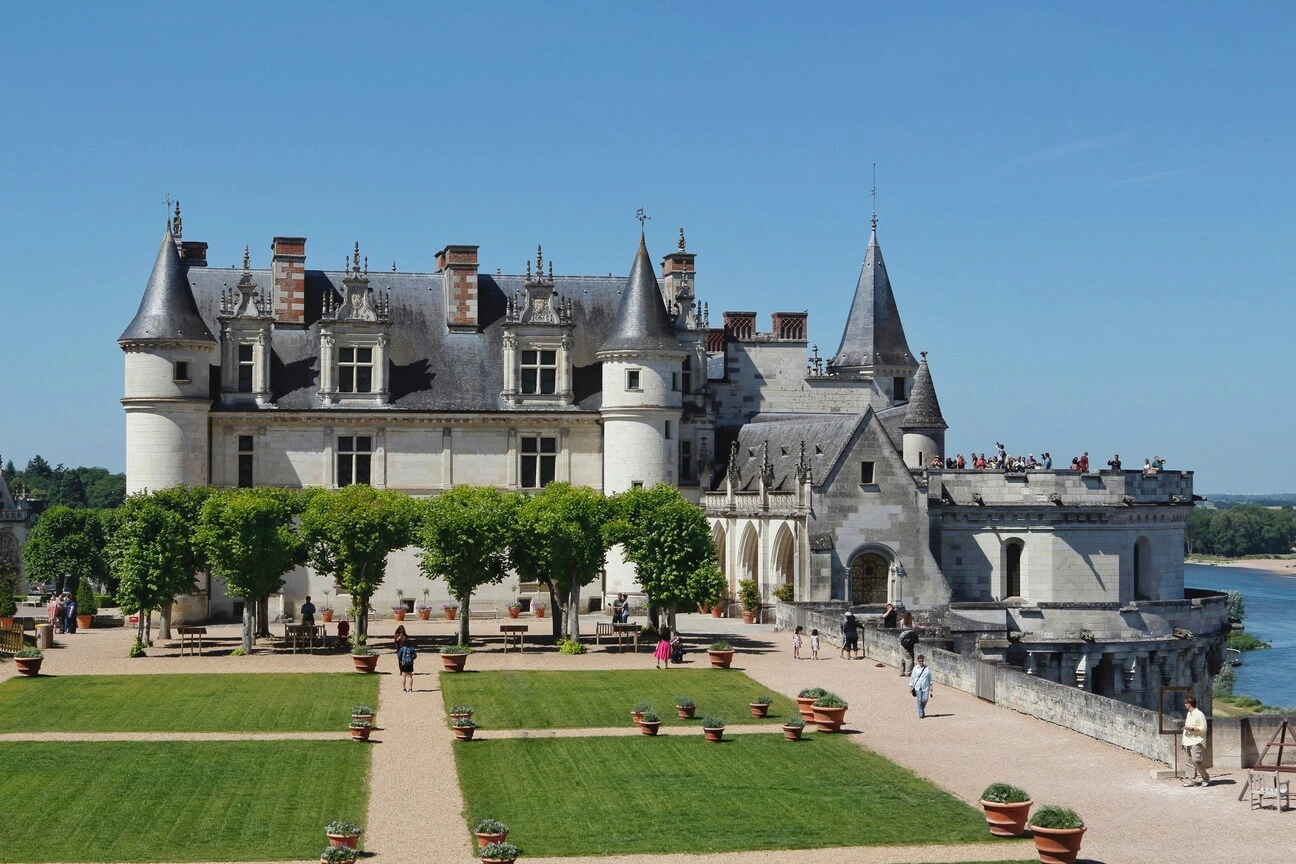
5. Loire Valley
The Loire Valley is one of France’s most scenic and historically rich regions, best known for its château dotted countryside, vineyard landscapes, and slower rural pace. Unlike destinations centered around a single city, the Loire Valley is experienced as a broader region, one defined by its landscapes, historic estates, and small towns rather than by one focal point.
It is particularly appealing to travelers interested in architecture, history, and countryside travel, offering a distinctly different experience from France’s urban and coastal destinations.
Why Visit the Loire Valley
The Loire Valley is ideal for travelers looking to combine historic landmarks with scenic countryside and a slower regional pace. It works especially well for those interested in château visits, wine, and road trip style travel.
Things to Do in the Loire Valley
- Visit Château de Chambord
The region’s largest and most architecturally distinctive château. - Explore Château de Chenonceau
One of the Loire Valley’s most elegant and visually striking estates. - Tour Regional Vineyards
The area is home to several respected wine producing regions. - Drive Through Small Historic Towns and Villages
Much of the region’s charm lies between the major château stops. - Visit Formal Gardens and Estate Grounds
Many château properties include extensive landscaped gardens worth exploring. - Enjoy Scenic Countryside Drives Along the Loire River
The landscape itself is a central part of the experience.
Best For
- History and architecture enthusiasts
- Countryside and scenic road trips
- Couples and slower paced travel
- Wine focused regional travel
Best Time to Visit
- Spring through autumn offers the best weather for exploring the region.
- Summer is particularly popular for gardens and outdoor château grounds.
Travel Notes
The Loire Valley is best explored by rental car, as many of its major attractions are spread across the region. It works well as a 2–4 day extension from Paris or as part of a broader countryside itinerary.
6. Strasbourg
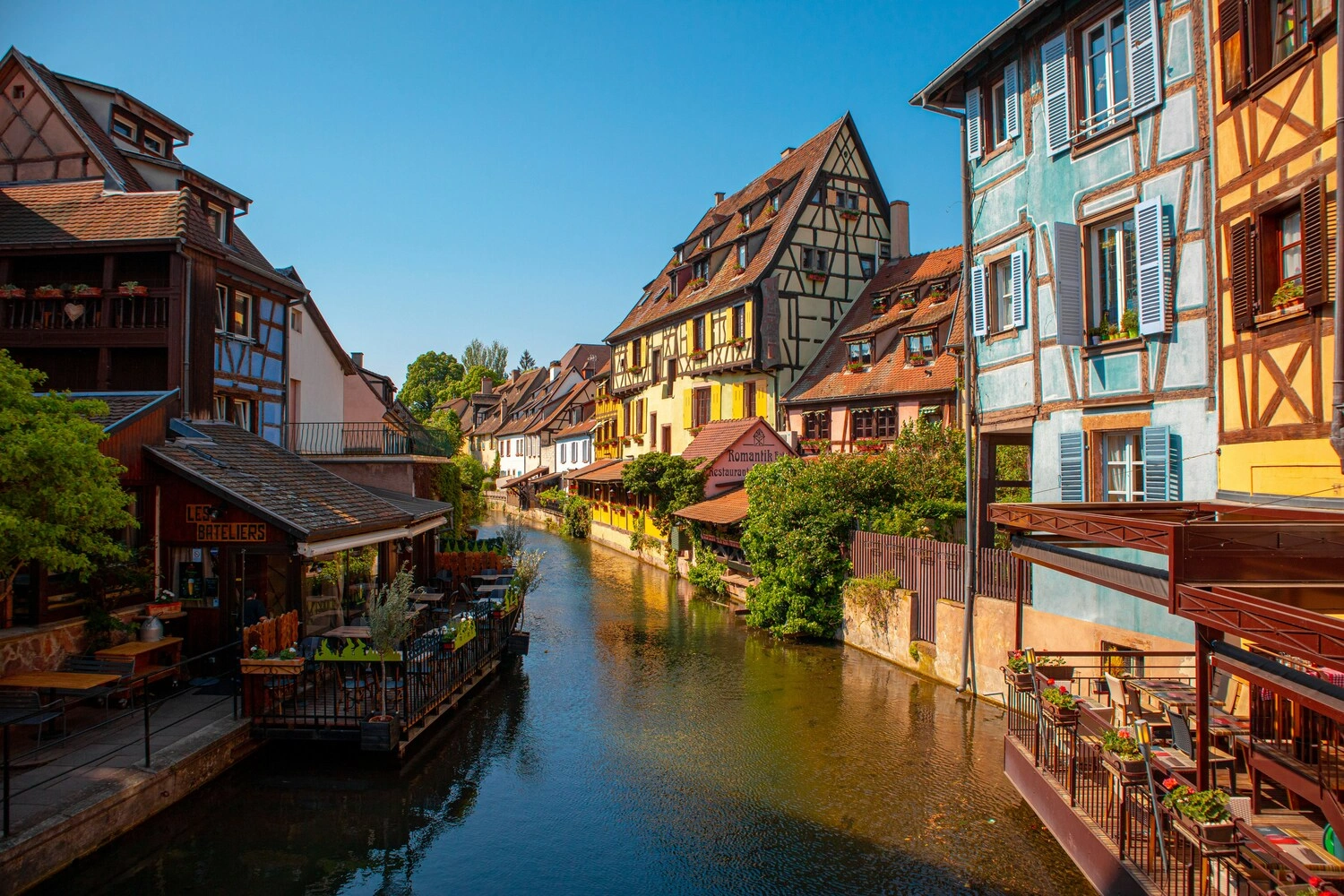
Strasbourg offers one of the most distinctive city experiences in France, shaped by its position near the German border and centuries of cultural exchange between the two countries. The result is a city with a character noticeably different from much of France combining French urban culture with strong Germanic architectural and culinary influences.
Its compact historic center, canals, and timber framed buildings make it one of the country’s most visually distinctive smaller cities.
Why Visit Strasbourg
Strasbourg is ideal for travelers looking for a city with strong architectural character, walkability, and a regional identity that feels distinct from Paris or southern France. It is particularly appealing to those who enjoy historic European cityscapes and smaller urban destinations.
Things to Do in Strasbourg
- Explore La Petite France
The city’s best known district, famous for its canals, bridges, and half timbered houses. - Visit Strasbourg Cathedral
One of Europe’s most notable Gothic cathedrals and the city’s defining landmark. - Walk the Canal Side Streets
Much of Strasbourg’s atmosphere is best appreciated through unstructured exploration on foot. - Enjoy Alsatian Cuisine
The city’s food reflects its French-German cultural blend. - Visit During Christmas Market Season (Seasonal)
Strasbourg hosts one of Europe’s most famous Christmas markets.
Best For
- Architecture and cityscape lovers
- Travelers seeking smaller city experiences
- Winter and holiday season trips
- Repeat visitors to France
Best Time to Visit
- Spring through autumn offers the best general travel conditions.
- December is especially popular for Christmas market season.
Travel Notes
Strasbourg is easily reached by high speed train from Paris and works well as a 2–3 day city break or as part of a northeastern France itinerary.
7. Mont Saint-Michel
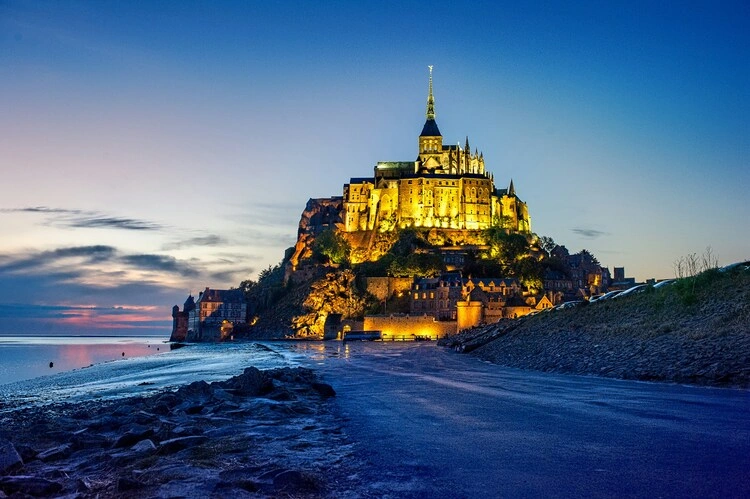
Mont Saint-Michel is one of France’s most recognizable landmarks and among its most visually distinctive destinations. Rising from a tidal island off the Normandy coast, the medieval abbey and surrounding village create a setting unlike anywhere else in the country.
Although smaller in scale than many other destinations on this list, Mont Saint-Michel offers a highly memorable experience due to its architectural uniqueness, historical significance, and dramatic natural surroundings.
Why Visit Mont Saint-Michel
Mont Saint-Michel is ideal for travelers seeking one of France’s most iconic landmarks and for those interested in history, architecture, and visually distinctive destinations. It works particularly well as part of a broader Normandy or northern France itinerary.
Things to Do at Mont Saint-Michel
- Explore the Abbey
The island’s defining attraction and one of France’s most significant historic religious sites. - Walk Through the Medieval Village Streets
Narrow stone lanes lined with historic buildings create much of the site’s atmosphere. - View the Tidal Surroundings
The shifting tides around the island are a defining part of the landscape. - Photograph the Island from the Causeway and Surrounding Viewpoints
Some of the best perspectives are from outside the island itself. - Stay Overnight for a Quieter Experience
Evening and early morning offer a calmer atmosphere after day trippers leave.
Best For
- First time visitors to France
- History and architecture enthusiasts
- Photography focused travelers
- Travelers interested in iconic landmarks
Best Time to Visit
- Late spring through autumn generally offers the best weather and visibility.
- Shoulder season can provide a better balance of weather and crowd levels.
Travel Notes
Mont Saint-Michel is most commonly visited as a day trip or overnight stop from Paris, though staying nearby allows for a less rushed experience and better access during quieter hours.
Best French Food to Try
- Croissants and Viennoiseries
- Coq au Vin
- Boeuf Bourguignon
- Ratatouille
- Crêpes
- Escargot
- Regional Cheeses
- Macarons and Pastries
Travel Tips for Visiting France
- Learn basic French greetings; they improve interactions significantly
- Book train tickets early for best prices
- Validate regional train tickets where required
- Reserve museum/landmark tickets in advance
- Rental cars are best for rural regions
Frequently Asked Questions
How Many Days Should You Spend in France?
A first trip generally benefits from 7–14 days depending on itinerary complexity.
Is Paris Enough for a First France Trip?
Paris can support a full trip, though adding one regional destination provides a broader perspective.
Do You Need a Car in France?
Only for countryside/regional travel, major cities are well connected by rail.
Final Thoughts
France offers considerably more regional diversity than many travelers expect. While Paris remains the country’s best known destination, the broader appeal of France lies in how dramatically the experience can shift between its cities, coastlines, countryside, and smaller historic regions.
The best trip depends less on seeing as much as possible and more on selecting the destinations that align with your travel style whether that means city culture, food, coastal leisure, historic landmarks, or rural landscapes.
