
Savannah, Georgia, isn’t a city that tries to impress at first glance; and that’s exactly its strength. Instead of towering skylines or headline attractions, Savannah draws visitors in through atmosphere, texture, and detail. Shaded public squares, historic buildings softened by time, streets lined with moss-draped oak trees, and the sound of footsteps echoing on brick paths at dusk give the city a character that feels deeply rooted and unmistakably its own.
As one of the oldest cities in the United States, Savannah carries its history with ease. The city blends preserved architecture, walkable neighborhoods, riverfront views, and a strong food culture into an experience that feels lived-in rather than staged. Whether you’re drawn by history, architecture, coastal influences, or regional cuisine, Savannah offers a kind of travel experience that feels thoughtful, immersive, and genuine.
This Savannah travel guide covers everything you need to plan your visit; how to reach the city, how to get around, the best places to see, how many days to spend, where to stay for convenience, food recommendations, the best time to visit, and practical travel tips to help you experience Savannah at its best.
Where Is Savannah Located?
Savannah is located in southeastern Georgia, along the Savannah River and approximately 20 miles inland from the Atlantic coast. This location gives the city both a strong riverfront identity and easy access to nearby beaches such as Tybee Island.
One of Savannah’s most distinctive features is its layout. The historic district is organized around a grid of public squares, which is a rare design that makes the city easy to navigate on foot and visually cohesive. This structure allows visitors to explore naturally, moving from one square to the next without feeling overwhelmed or lost.
How to Reach Savannah, Georgia
Flying to Savannah
The easiest way to reach Savannah is by flying into Savannah/Hilton Head International Airport (SAV). The airport is located roughly 15 minutes from downtown and is well connected to major U.S. cities.
Common connecting hubs include:
· Atlanta
· Charlotte
· Dallas
· New York
Visitors can conveniently find taxis, ride-shares, and rental car services directly outside the airport.
Driving to Savannah
Savannah is also a popular road-trip destination, especially for travelers exploring the southeastern United States.
Approximate driving times:
- Atlanta ≈ 4 hours
- Charleston ≈ 2 hours
- Jacksonville ≈ 2 hours
- Orlando ≈ 4.5 hours
Driving works well if you plan to visit nearby coastal towns or combine Savannah with other Southern destinations.
Getting Around Savannah
Walking (Highly Recommended)
Savannah’s historic district is compact, flat, and designed for walking. Many of the city’s main attractions are located within a short distance of one another, and exploring on foot allows you to notice architectural details, hidden courtyards, and subtle changes in atmosphere from one square to the next.
Public Transportation
Savannah operates a free downtown transportation system known as the DOT Shuttle, which connects key points within the historic district. It’s useful when you want to cover more ground without walking the entire distance.
Trolleys and Guided Tours
Hop-on-hop-off trolley tours are popular with first-time visitors. They provide historical context and offer a helpful overview of the city, especially if your visit is short.
Best Places to Visit in Savannah, Georgia
Savannah Historic District
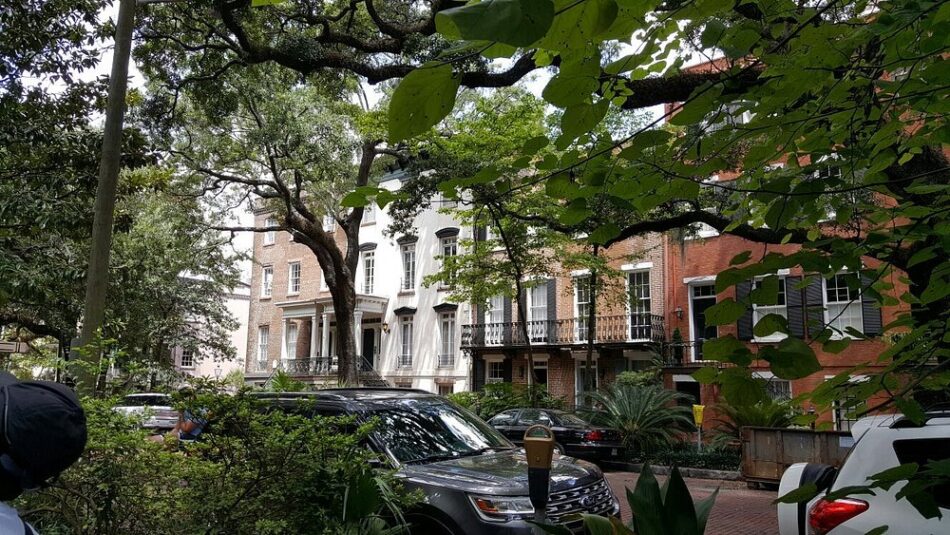
The historic district forms the heart of the city. Known for its preserved homes, iron balconies, and tree-lined streets, the area feels like a place where history and everyday life exist side by side. Walking through the district offers a clear sense of Savannah’s architectural evolution and cultural identity.
Forsyth Park
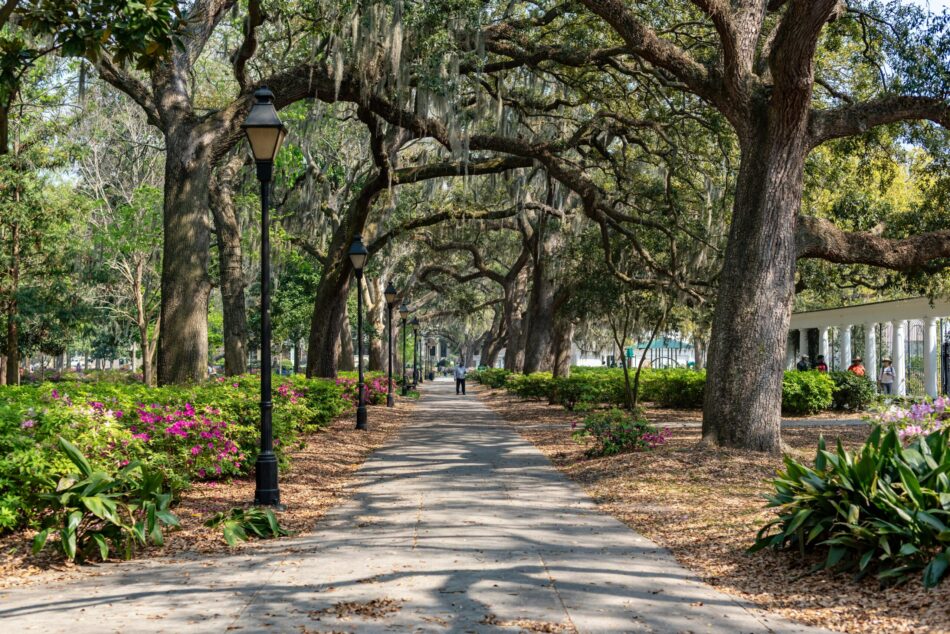
Forsyth Park is Savannah’s largest green space and one of its most recognizable landmarks. With its signature fountain, wide green spaces, and leafy paths, the park serves as a popular meeting spot in the city. It’s especially lively on weekends, when locals gather for picnics, music, and casual walks which makes it an ideal place to begin or end a day of exploring.
River Street
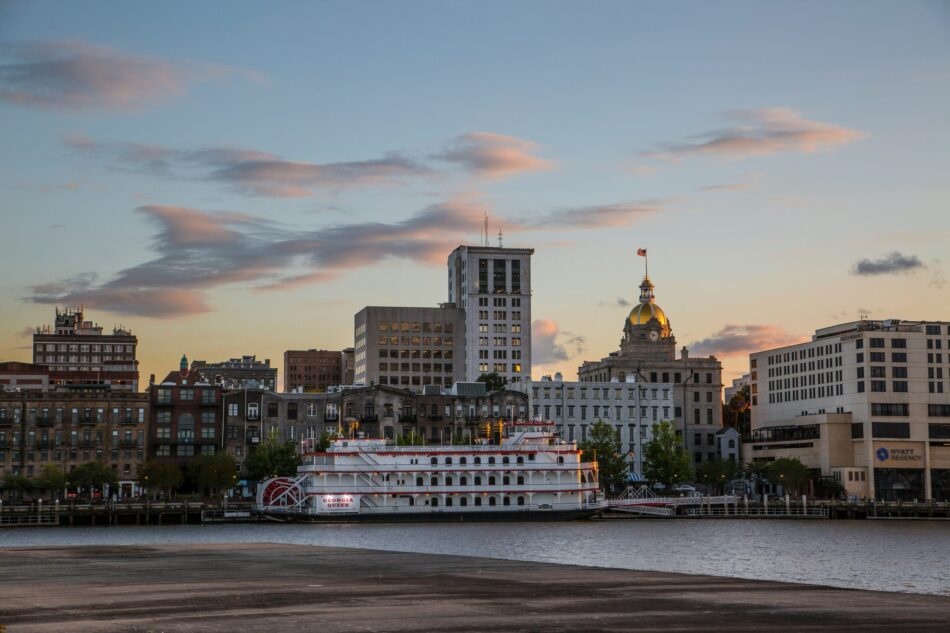
Set along the Savannah River, River Street offers a more energetic contrast to the quieter squares inland. Cobblestone walkways, converted warehouses, shops, and restaurants create a lively atmosphere, the area feels most alive in the evening, when lights reflect off the river and restaurants fill up.
Savannah’s Historic Squares
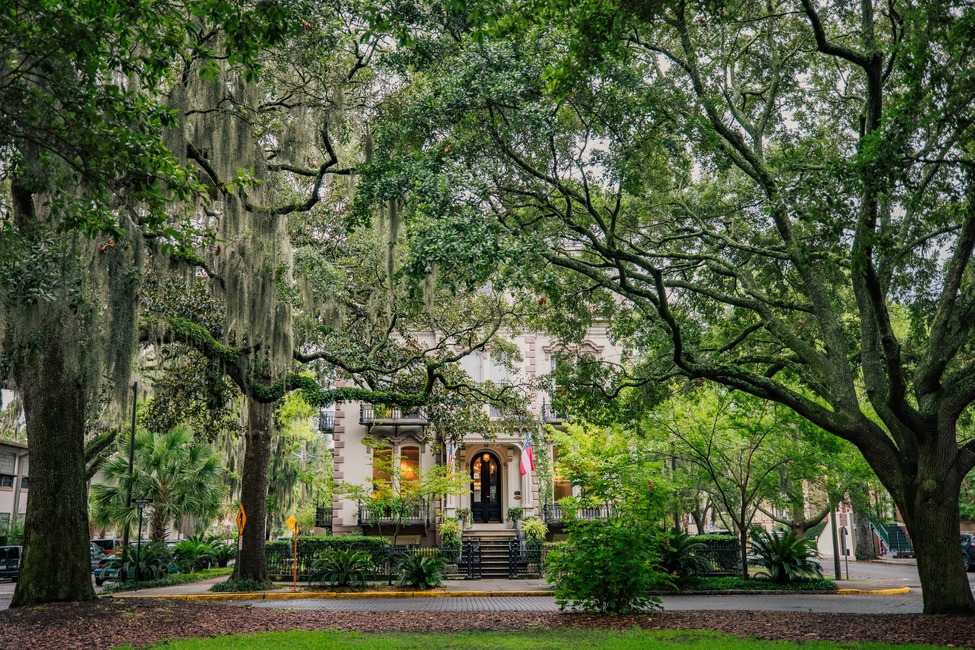
Savannah is known for its more than 20 public squares, each with its own personality. Squares such as Chippewa Square, Madison Square, and Johnson Square provide places to pause, sit, and observe the city without feeling like you’re rushing from one attraction to the next.
Bonaventure Cemetery
Located a short drive from downtown, Bonaventure Cemetery is one of Savannah’s most visually striking sites. Featuring striking monuments, moss-draped trees, and scenic river surroundings, the site blends visual beauty with deep historical significance.

How Many Days Do You Need in Savannah?
2 days: Enough to see the historic district, Forsyth Park, and River Street. Ideal for weekend travelers focused on highlights
3–4 days: Ideal for museums, food experiences, and nearby excursions. Best for first-time visitors who want food, history, and walking time
5 days or more: Best if you plan to include beach visits, guided tours, and deeper exploration. Suited for slow travelers combining Savannah with Tybee Island
Savannah suits travelers who allow space for wandering rather than tightly packed schedules.
Where to Stay in Savannah?
Historic District
· Best for first-time visitors
· Walkable access to major attractions
· Boutique hotels and historic inns
Riverfront Area
· Scenic views
· Easy access to dining and nightlife
· Slightly busier atmosphere
Midtown Savannah
· Quieter, residential feel
· Often more affordable
· Short drive or shuttle to downtown
Food to Try in Savannah
Savannah’s food culture reflects its Southern roots, coastal setting, and long culinary history.
Local Specialties
· Shrimp and grits
· Fried green tomatoes
· Southern-style seafood
· Lowcountry cuisine
Popular Food Experiences
· Traditional Southern restaurants
· Riverfront dining
· Cozy cafés and bakeries
· Locally owned eateries in historic buildings
Dining in Savannah often feels less like a checklist and more like a continuation of the city’s stories, shared over familiar flavors and warm hospitality.
Best Time to Visit Savannah
March to May: Mild temperatures, blooming gardens, festival season
September to November: Fewer crowds and comfortable weather
Summer (June to August): Hot and humid, but quieter and less crowded
Photography Tips
- Best light: Morning for historic squares and Forsyth Park; blue hour and early evening for River Street.
- Locations to prioritize: Forsyth Park fountain, Savannah’s historic squares, River Street, Bonaventure Cemetery.
- Gear tips: A prime lens (35mm or 50mm) works well for streets and architecture; image stabilization helps in low light.
- Composition advice: Use oak trees and Spanish moss as natural frames.
- Street photography: Wait for subtle human moments, someone crossing a square, sitting on a bench, or walking under trees.
Travel Tips for Visiting Savannah
· Wear comfortable walking shoes
· Stay hydrated in warmer months
· Be respectful of historic and residential areas
· Consider guided walking tours for added historical context
Why Savannah Is Worth Visiting?
Savannah offers something many destinations struggle to preserve; authenticity. It doesn’t rely on spectacle or constant activity. Instead, it invites visitors to engage with its streets, stories, and surroundings in a way that feels personal rather than performative.
What makes Savannah memorable isn’t just its architecture or history, but the atmosphere created by its layout, landscapes, and continuity. For travelers who value character, culture, and a sense of place, Savannah delivers an experience that lingers long after the visit ends.
Savannah is best experienced not through a packed itinerary, but through attention; to its streets, its stories, and the quiet moments in between.
