
San Francisco sits on a compact peninsula in Northern California, bordered by the Pacific Ocean on one side and San Francisco Bay on the other. Unlike many large cities, it is geographically small but emotionally dense. Hills interrupt straight lines, neighborhoods change personality within a few blocks, and weather shifts without warning. The city rewards observation more than urgency.
Known globally for the Golden Gate Bridge, cable cars, and its role in technology and counterculture, San Francisco often appears straightforward on the surface. In practice, it is one of the most layered cities in the United States. Victorian homes exist beside modern transit corridors, quiet residential streets sit minutes away from high-traffic tourist zones, and daily life unfolds at a pace slower than its reputation suggests.
San Francisco works best for travelers who enjoy walking, independent exploration, food-driven days, and cities where texture matters more than spectacle. It is particularly well-suited for solo travelers, couples, photographers, and visitors who like structure without rigidity. This is not a city to rush through. It is a city to read carefully.
What San Francisco Feels Like
San Francisco has a strong sense of locality. Residents identify with neighborhoods more than with the city as a whole. Each area operates on its own rhythm, shaped by geography, transit access, and history.
Mornings are often calm, especially outside downtown. Cafés open early, parks fill with walkers and dog owners, and the city feels residential rather than commercial. Afternoons bring activity to shopping streets and waterfront areas. Evenings are neighbourhood focused restaurants, bookstores, small bars, and long walks rather than a centralized nightlife scene.
Weather defines daily planning. Fog frequently rolls in from the ocean, especially during summer months, cooling the city by afternoon. Locals dress in layers year-round, and visitors quickly learn that sunshine in the morning does not guarantee warmth later.
Tourist heavy areas can feel busy and structured, but stepping a few blocks away often reveals a quieter, more lived-in San Francisco. This contrast between global city and local routine is one of its defining traits.
How to Reach San Francisco
By Air
San Francisco is served by San Francisco International Airport, located about 13 miles south of downtown. It is well-connected to major global and domestic destinations.
Public transport options include BART trains, buses, and ride-hailing services. BART offers the most reliable access to downtown without traffic delays.
By Train
Amtrak and regional rail services connect San Francisco indirectly via Oakland and San Jose. Train travel is slower but scenic in certain sections, particularly along the coast.
By Road
Driving into the city is possible but not always convenient. Parking is limited and expensive in central areas, and steep hills can be challenging for unfamiliar drivers. Many visitors find it easier to rely on public transport and walking.
Top Places to Visit in San Francisco
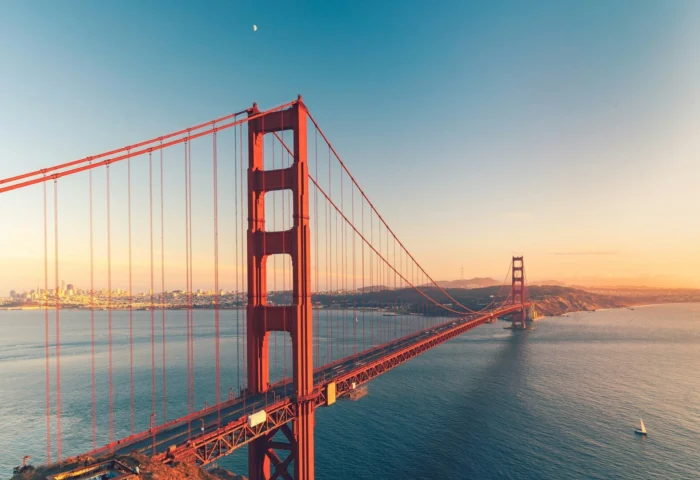
Golden Gate Bridge
One of the most recognizable structures in the world, the Golden Gate Bridge is best appreciated both up close and from a distance. Beyond being an engineering landmark, it also functions as a living part of the city, used daily by commuters, cyclists, and walkers. The surrounding viewpoints, coastal trails, and changing fog patterns make every visit feel slightly different, even if you’ve seen it before.
· Cost: Free to walk or view
· Best time: Early morning or late afternoon
· Good for: First-time visitors, photographers
· Practical tip: Walk part of the bridge rather than the full span if short on time.
Alamo Square
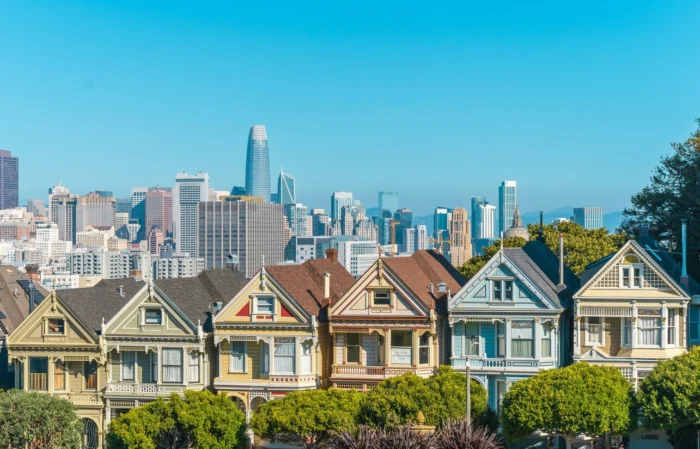
Home to the famous Painted Ladies, Alamo Square offers one of the most recognizable residential views in the city. What makes it special is the contrast: carefully preserved Victorian houses in the foreground with modern downtown buildings rising behind them. The park itself is small but well-used, making it a good place to pause rather than rush through.
· Cost: Free
· Best time: Late afternoon
· Good for: Casual walks, photography
· Practical tip: Explore surrounding residential streets for quieter views.
Fisherman’s Wharf
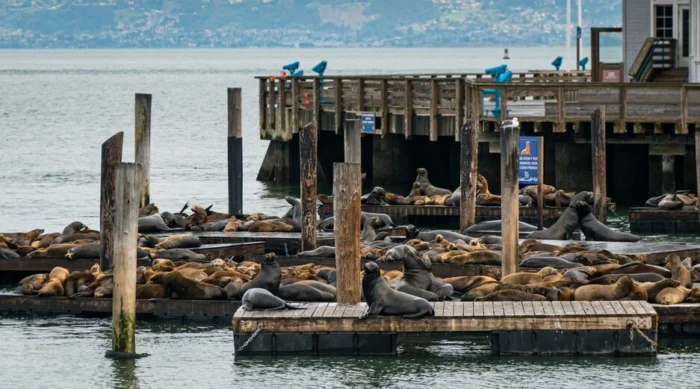
Often criticized but still relevant, Fisherman’s Wharf works best when visited selectively. It’s among the easiest places to reach along the shoreline, with open sightlines across the bay where boats pass and sea life is often visible. While some attractions are clearly tourist-oriented, the setting itself provides context for San Francisco’s maritime history.
· Cost: Free to explore
· Best time: Morning
· Good for: First-time visitors
· Practical tip: Focus on the waterfront and skip peak lunch hours.
Chinatown
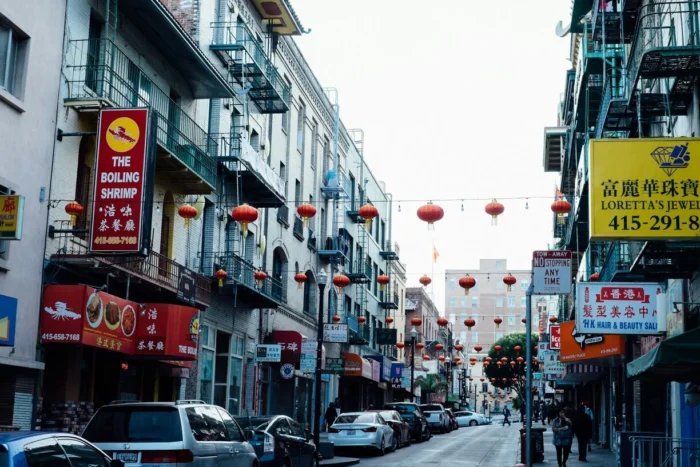
San Francisco’s Chinatown is one of the oldest in North America and continues to function as a residential, cultural, and commercial hub. Away from the gift shops, the neighborhood reveals working bakeries, local markets, places of worship, and everyday routines continuing naturally. The neighborhood feels most authentic when treated as a place to walk and observe rather than rush through.
· Cost: Free
· Best time: Late morning or early afternoon
· Good for: Food-focused travellers
· Practical tip: Walk beyond Grant Avenue to experience quieter streets.
Mission District
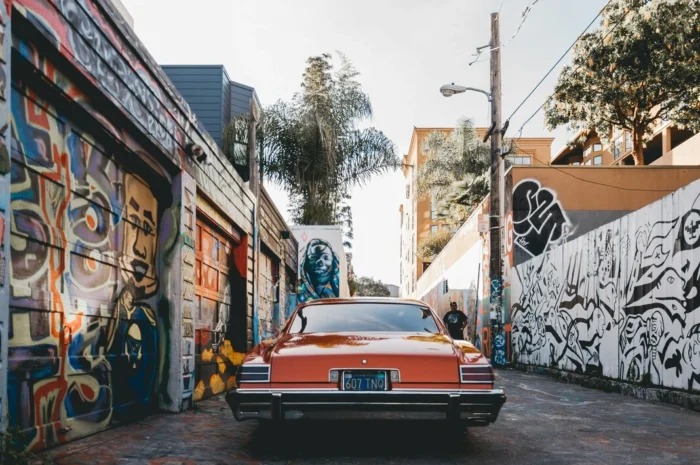
Known for murals, food, and cultural density, the Mission reflects a different side of San Francisco, more local, expressive, and constantly evolving. Long streets encourage wandering, and public spaces like parks and plazas provide natural breaks between meals and exploration. It’s a neighborhood best experienced at a relaxed pace.
· Cost: Free to explore
· Best time: Afternoon to evening
· Good for: Independent travellers
· Practical tip: Balance food stops with park time to avoid fatigue.
Underrated Areas Worth Time
Lands End
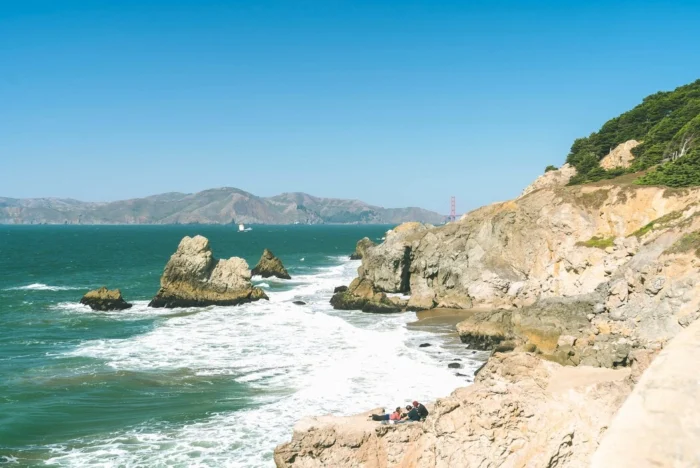
A coastal trail system offering expansive views of rugged cliffs, the Pacific Ocean, and distant glimpses of the Golden Gate Bridge. The paths are well-marked and feel removed from the city despite being easily accessible, making it ideal for travelers who want nature without committing to a full day trip.
· Why it matters: Combines nature with urban proximity
· Best time: Morning for clearer views
Hayes Valley
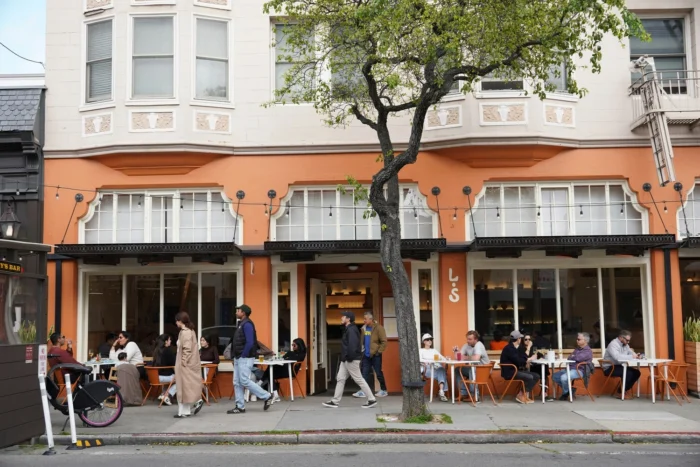
Compact, walkable, and design-forward, Hayes Valley blends residential calm with carefully curated shopping and a strong dining scene. The neighborhood encourages slow exploration, with short blocks, public seating, and cafés that make it easy to pause without feeling rushed.
· Why it matters: Easy to explore without pressure
· Best time: Late morning or early evening
Glen Park
Often overlooked, Glen Park feels more suburban in tone while remaining well-connected to the rest of the city through public transit. Tree-lined streets, a small commercial core, and nearby trail access give it a quiet, residential character that contrasts sharply with central neighborhoods.
· Why it matters: Quiet streets and access to trails
· Best time: Morning walks
How to Choose Where to Stay in San Francisco
Accommodation choice in San Francisco significantly affects the overall experience. Ease of moving around on foot, dependable transit connections, and the general atmosphere of a neighborhood often matter more than staying near a single landmark.
Best Area for First-Time Visitors: The Union Square/Nob Hill corridor
Best for: Structured sightseeing and short stays
Why it works: Central location with transit access
What to look for:
· Proximity to cable car lines
· Soundproofed rooms
· Easy access to downtown and Chinatown
Best Area for Couples: Hayes Valley
Best for: Dining, calm evenings, design-forward spaces
Why it works: Balanced pace without heavy tourism
What to look for:
· Boutique hotels
· Quiet streets at night
· Walkable restaurant clusters
Best Area for Solo Travelers: Mission District
Best for: Independent movement and food exploration
Why it works: The neighborhood supports slow, independent days with plenty of places to sit, read, and move easily using public transport.
What to look for:
· Nearby BART access
· Walkable main streets
· Safe, well-lit surroundings
Best Area for Longer or Budget Stays: Inner Sunset and the Richmond districts
Best for: Residential calm and park access
Why it works: Staying here usually means more reasonable prices while remaining close to Golden Gate Park and green spaces.
What to look for:
· Transit lines to downtown
· Grocery stores nearby
· Local cafés rather than tourist spots
Must-Eat Food Experiences
San Francisco’s food culture emphasizes quality, diversity, and regional sourcing.
· Mission-style burritos – ~$10–$15
· Sourdough bread with seafood – ~$12–$25
· Dim sum in Chinatown – ~$8–$20
· Coffee and pastries – ~$4–$8
· Farmers’ market meals – ~$10–$18
Special-diet meals such as vegetarian, vegan, and gluten-free are commonly available throughout the city.
Day Trips From San Francisco
Muir Woods National Monument
Distance: ~45 minutes
Why go: The area is valued for its tall redwood groves and well-defined trails that are easy to navigate.
Best time: Early morning to avoid crowds
Sausalito
Distance: 30-minute ferry
Why go: Waterfront town with relaxed pacing
Best time: Afternoon with return at sunset
Half Moon Bay
Distance: ~45 minutes
Why go: Coastal scenery and quiet beaches
Best time: Late morning to afternoon
How Many Days Are Ideal
· 3 days: Core neighborhoods and landmarks
· 5 days: City plus one or two day trips
· 7 days: Slow exploration with repeated neighborhoods
5-Day Itinerary
Day 1: Arrival and Downtown Orientation
Morning
Arrive in San Francisco, check in or store luggage, and take a short walk around your immediate neighborhood to get oriented.
Afternoon
Visit Union Square, then walk toward Chinatown. Spend time exploring side streets rather than main shopping corridors.
Evening
Dinner in Chinatown or North Beach, followed by a relaxed walk rather than scheduled activities.
Approximate cost: $50–$80 (food, local transport, small expenses)
Day 2: Waterfront and Iconic Views
Morning
Head to Fisherman’s Wharf early. Walk along the waterfront and observe sea lions before crowds build.
Afternoon
Board a ferry to Sausalito, or continue on foot toward Ghirardelli Square and follow the shoreline paths along the water.
Evening
Return before sunset and find a quiet restaurant near your accommodation.
Approximate cost: $60–$100 (meals, ferry, snacks)
Day 3: Neighborhood Depth
Morning
Explore the Mission District. Start with coffee, then walk along Valencia Street.
Afternoon
Visit Mission Dolores Park. Sit, observe, and rest rather than rushing onward.
Evening
Casual dinner nearby, keeping the evening unstructured.
Approximate cost: $45–$70 (food, transport, minor activities)
Day 4: Nature Access
Morning
Travel to Muir Woods or Lands End depending on energy levels.
Afternoon
Slow walk and simple lunch nearby.
Evening
Return to the city and keep the night light.Approximate cost: $60–$90 (meals, transit, basic entry fees)
Day 5: Reflection and Departure
Morning
Walk through Golden Gate Park or a nearby residential area.
Afternoon
Final café stop, light shopping, or packing.
Evening
Departure or a calm final meal.
Approximate cost: $40–$65 (food, transport, coffee/snacks)
San Francisco for Different Travelers
· Solo travelers: Walkable neighborhoods, cafés, bookstores
· Couples: Scenic viewpoints, food-focused days
· Families: Parks, waterfront paths, short ferry rides
Final Take
San Francisco is not a city that reveals itself quickly. Its appeal lies in contrasts like busy streets beside quiet parks, foggy mornings followed by clear evenings, and global landmarks surrounded by deeply local routines. The city works best when you plan enough to move confidently but leave space for wandering. Pay attention to neighborhoods rather than checklists, allow weather to shape your day, and treat walking as part of the experience rather than a means to an end. San Francisco does not ask for constant activity. It asks for presence.
