
Napa Valley, California: A Complete Travel Guide to America’s Iconic Wine Country
Napa Valley, California, is more than a destination built around wine. It is a region defined by slow travel, thoughtful experiences, and a deep connection between land, food, and culture. Napa Valley’s international reputation comes from more than wine alone; it appeals to travelers looking for scenic vineyards, thoughtful cuisine, and a slower, more intentional pace of travel.
Located in Northern California, Napa Valley is best known for its world-class wineries, but its appeal goes far beyond tasting rooms. The region offers exceptional dining, scenic drives, wellness retreats, historic towns, and a relaxed pace that makes even a short visit feel restorative. Whether you are visiting for the first time or returning with a deeper appreciation for wine and cuisine, Napa has a way of revealing itself gradually.
This guide covers everything you need to plan a well-rounded trip to Napa Valley; how to get there, how to get around, the best places to visit, how many days to spend, where to stay for convenience, food recommendations, the best time to visit, and practical travel tips.
Where is Napa Valley Located?
Napa Valley is located in Northern California, about 50 miles north of San Francisco. It stretches roughly 30 miles from south to north and is bordered by mountain ranges that help create the region’s ideal grape-growing climate. The valley includes several small towns, each with its own character, including Napa, Yountville, St. Helena, and Calistoga.
Despite its global reputation, Napa Valley retains a rural feel, with large stretches of vineyards, open countryside, and low-density development that keeps the region scenic and peaceful.
How to Reach Napa Valley?
Flying to Napa Valley
Napa Valley does not have a major international airport, so most travelers fly into nearby cities and continue by road.
Closest airports:
San Francisco International Airport (SFO) – most common option
Oakland International Airport (OAK) – often less crowded
Sacramento International Airport (SMF) – good alternative with competitive fares
From any of these airports, Napa Valley is about a 1.5 to 2-hour drive, depending on traffic.
Getting Around Napa Valley
Car Rental (Recommended)
Renting a car is the most flexible way to explore Napa Valley, especially if you plan to visit multiple towns or wineries. The roads are well maintained, clearly marked, and scenic.
If you plan to do wine tastings, consider limiting driving or choosing tastings close together.
Wine Tours and Drivers
Many visitors opt for:
· Guided wine tours
· Private drivers
· Small group vineyard experiences
These options allow you to enjoy tastings without worrying about navigation or driving after wine consumption.
Best Places to Visit in Napa Valley, California
Napa Town
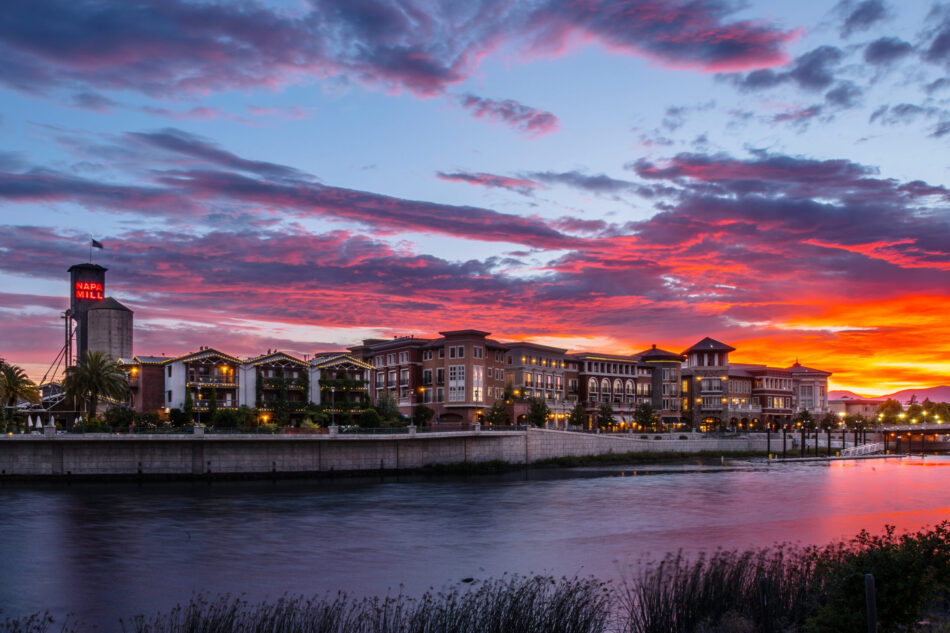
Napa is the southern gateway to the valley and the most urban of the towns. It offers a lively riverfront, a wide range of restaurants, tasting rooms, boutique hotels, and shops. It has a great base if you want easy access to dine and nightlife.
Yountville
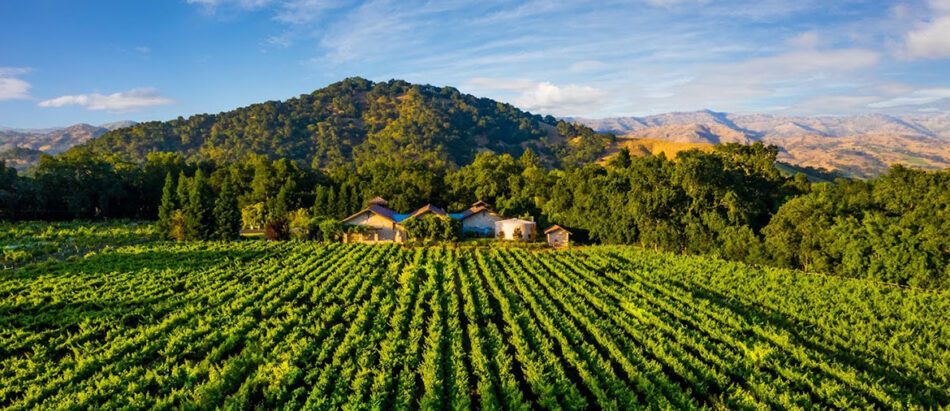
Yountville is known for its refined atmosphere and walkable layout. Home to several renowned restaurants and beautifully maintained streets, it feels elegant without being intimidating. Many visitors come here specifically for dining experiences.
St. Helena
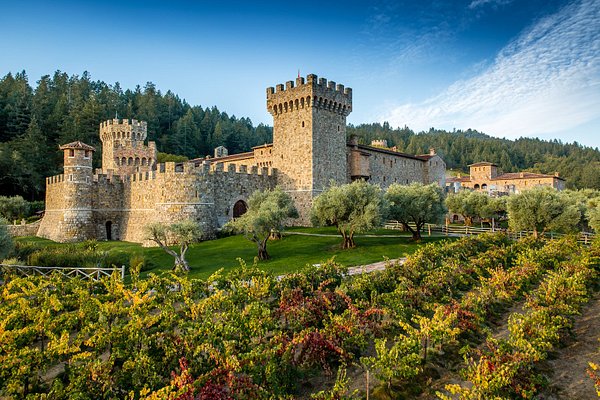
St. Helena sits near the center of the valley and offers a classic wine-country feel. It is surrounded by vineyards and home to historic wineries, small galleries, and charming shops. The town balances tradition with modern luxury.

Calistoga
Located at the northern end of Napa Valley, Calistoga is known for its hot springs, mud baths, and wellness culture. It feels more relaxed and rustic compared to other towns, making it ideal for visitors seeking rest and rejuvenation.
Oxbow Public Market
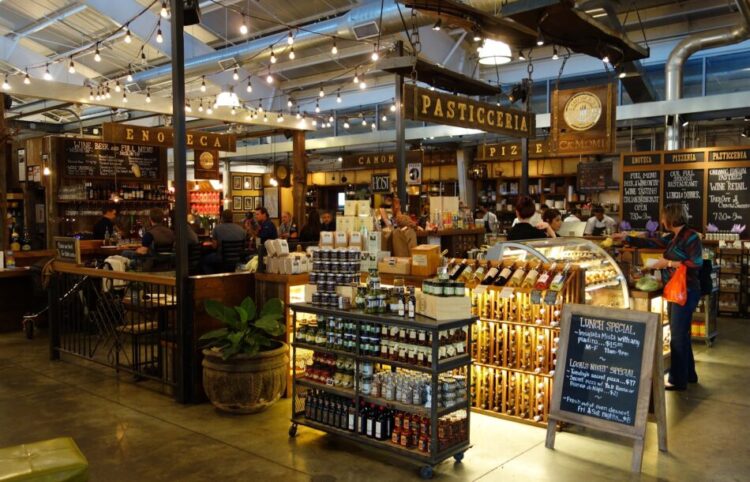
Located in Napa town, Oxbow is a curated food market featuring local producers, bakeries, cafés, and specialty shops. Visitors can taste local offerings in a casual setting, without the time commitment of a formal meal.
Top Experiences in Napa Valley
Hot-Air Balloon Ride at Sunrise
One of the most unforgettable ways to experience Napa Valley is from above. Sunrise hot-air balloon rides offer a quiet, panoramic view of vineyards, rolling hills, and winding country roads as the valley wakes up. The experience is peaceful and unhurried, often followed by a light breakfast or champagne toast after landing. Weather permitting, a hot air balloon ride in Napa Valley is one of the most iconic experiences in California wine country and a highlight for many first-time visitors.
Wine Tasting at Local Vineyards
Napa is home to hundreds of wineries, ranging from historic estates to small, family-run producers. Many offer seated tastings that focus on storytelling; the land, the grapes, and the winemaking process, rather than rushed pours. Advance reservations for tastings are important, especially during popular seasons when availability is limited.
Napa Valley Wine Train
The Wine Train combines scenic travel with dining, moving slowly through the valley while serving multi-course meals. It is less about transportation and more about the experience itself. A comfortable way to experience the valley’s views without being behind the wheel.
Calistoga Hot Springs and Wellness
At the northern end of the valley, Calistoga is known for its geothermal hot springs and mud baths. These mineral-rich waters have been used for wellness for generations and offer a deeply relaxing contrast to wine tasting days.
Exploring Small Towns
Towns like Yountville, St. Helena, and Calistoga each have their own character. Yountville is known for fine dining, St. Helena for boutique shopping and tasting rooms, and Calistoga for its laid-back, wellness-focused atmosphere.
Planning Your Time in Napa Valley
2–3 days:
Enough for a relaxed introduction — tastings, dining, and one town
4–5 days:
Ideal for exploring multiple towns, wineries, and a spa day
6–7 days:
Best for a slow, immersive experience with rest days and deeper exploration
This flexible pacing makes it easy to build a personalized Napa Valley itinerary based on your travel style.
Where to Stay in Napa Valley
Napa Town
· Best for first-time visitors
· Easy access to dining and shops
· Wide range of accommodations
Yountville
· Ideal for food lovers
· Walkable and refined
· Boutique hotels and luxury stays
St. Helena
· Classic wine-country atmosphere
· Central location
· Surrounded by vineyards
Calistoga
· Best for wellness and relaxation
· Hot springs and spa resorts
· Quieter and more laid-back
Food to Try in Napa Valley
Napa Valley’s food scene rivals its wine reputation.
Local Specialties
· Farm-to-table cuisine
· Artisanal cheeses
· Fresh seasonal produc
· Wine-paired tasting menus
Popular Food Experiences
· Fine dining restaurants in Yountville
· Casual bistros and cafés in Napa
· Winery lunches with vineyard views
· Local bakeries and markets
A strong emphasis on regional produce and seasonal cooking defines much of Napa Valley’s dining scene.
Best Time to Visit Napa Valley
April to June
· Pleasant weather
· Vineyards in bloom
· Fewer crowds than peak season
August to October (Harvest Season)
· Lively atmosphere
· Grape harvest activity
· Higher prices and more visitors
November to March
· Quieter and more affordable
· Cooler weather
· Ideal for spa visits and relaxed tastings
Photography Tips
- Best light: Early morning for vineyards (soft light, light mist), golden hour for rolling hills and wineries.
- Locations to prioritize: Vineyard rows, Napa Valley hot air balloon launch sites, Yountville streets, scenic backroads.
- Gear tips: A standard zoom (24–70mm) is versatile; a short telephoto helps compress vineyard rows.
- Composition advice: Shoot vineyard lines diagonally rather than straight-on for visual interest.
- People shots: Capture winemaking details, glasses being poured, or walking shots instead of posed portraits.
Travel Tips for Visiting Napa Valley
· Make winery reservations early
· Plan transportation responsibly
· Dress comfortably but neatly
· Stay hydrated and pace tasting
· Respect vineyard rules and schedules
Why Napa Valley Is Worth Visiting
Napa Valley is best experienced at a slower pace. Rather than moving quickly between wineries, the region encourages visitors to pause, observe, and engage with experiences that are designed to be savored. Quiet vineyard views, well-prepared meals, calm mornings, and relaxed afternoons all contribute to a style of travel that feels deliberate and restorative.
Napa Valley’s appeal goes beyond its vineyards. The region has a natural rhythm that invites visitors to take their time, enjoy small details, and move through each day without urgency. Whether the draw is food, scenery, or the comfort of a peaceful setting, Napa creates an experience that stays with travelers long after the visit ends. For those questioning whether Napa Valley is worth visiting, its balance of beauty, character, and tranquility offers a clear and lasting answer.
