
Maui isn’t just a destination. It’s a place that changes the pace of your days. From the moment the plane descends over turquoise water and patchwork green valleys, there’s a noticeable shift. Time feels less urgent, the air feels softer, and the island quietly invites you to slow down.
Known as the Valley Isle, Maui brings together many of the experiences people imagine when they think of Hawaii: sunlit beaches, volcanic landscapes, winding coastal roads, waterfalls tucked into dense forests, and marine life just beneath the surface of the water. It’s not overwhelming or overly commercial; it feels balanced, lived in, and naturally beautiful.
What truly sets Maui apart is how effortlessly it blends contrast. You can wake up above the clouds at a volcanic summit, spend the afternoon driving through rainforests, and end the day watching the ocean change color at sunset. The experiences don’t compete with each other; they flow. That’s what makes Maui memorable long after the trip ends.
This complete travel guide to Maui, Hawaii, covers everything you need to plan a well-rounded trip, from how to reach the island and get around to the best places to visit, how many days to spend, where to stay for convenience, food recommendations, the best time to visit, and practical travel tips. If Maui has been on your list, this guide will help you plan it with clarity and confidence.
Where Is Maui Located?
Maui is part of the Hawaiian Islands, located in the central Pacific Ocean. It sits between the islands of Oʻahu and Hawaiʻi (the Big Island) and is the second-largest Hawaiian island. Despite its popularity, Maui maintains a relaxed pace and feels less crowded than Oʻahu, making it ideal for travelers seeking both beauty and balance.
How to Reach Maui
Flying to Maui
Kahului Airport (OGG) is Maui’s main airport and the primary point of entry for most visitors.
From mainland USA:
Direct flights are available from major cities such as Los Angeles, San Francisco, Seattle, Denver, Phoenix, Dallas, and Chicago.
From other Hawaiian islands:
Frequent short flights operate from Honolulu (Oʻahu), Kona, and Hilo.
Most travelers arrive via Kahului, though a few limited flights land at Kapalua Airport (JHM), mainly from other Hawaiian islands.
Getting Around Maui: Transportation Options
Car Rental (Highly Recommended)
Renting a car is the best and most practical way to explore Maui. Many of the island’s top attractions, such as the Road to Hana, Haleakalā National Park, and remote beaches, are not easily accessible without a car. It’s ideal for flexibility and sightseeing, but do make sure to book early, especially during peak seasons.
Public Transportation
Maui has a bus system, but it is limited and time-consuming. It is not recommended for travelers who want to explore the island fully.
Tours and Shuttles
Guided tours are available for major attractions like:
- Road to Hana
- Haleakalā sunrise or sunset
- Snorkeling excursions
These are good alternatives if you prefer not to drive on winding or mountainous roads.
Best Places to Visit in Maui
Haleakalā National Park
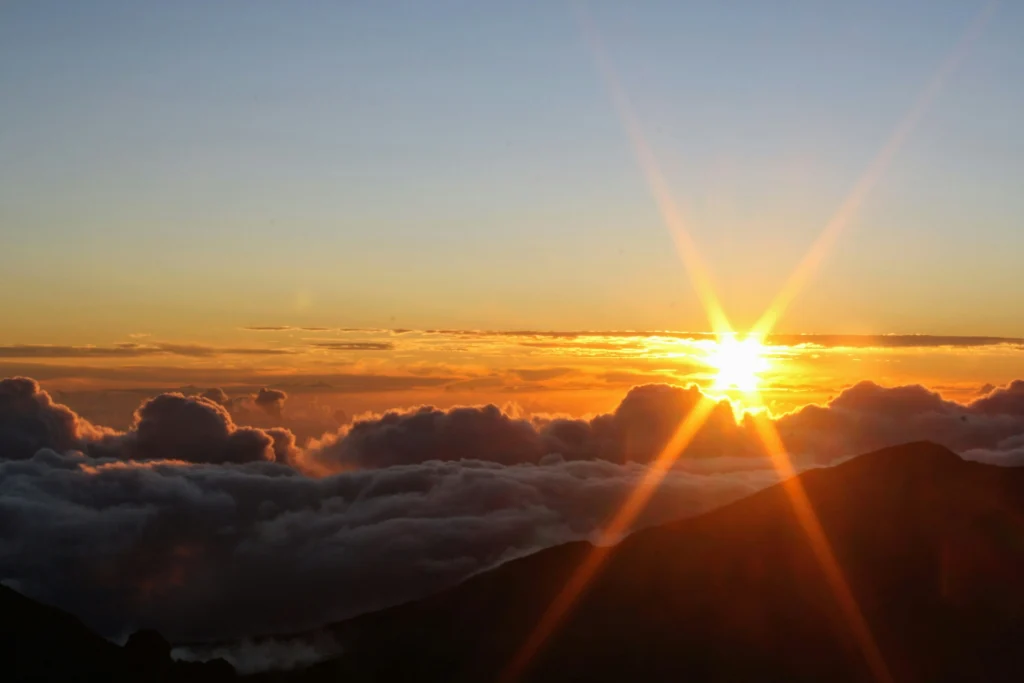
Haleakalā is home to Maui’s dormant volcano and one of the most unforgettable landscapes in Hawaii. Standing at over 10,000 feet above sea level, the summit feels almost otherworldly, especially at sunrise when the sky slowly fills with layers of color above a sea of clouds. Beyond the summit, the park offers hiking trails, rare native plants, and vast crater views that make you feel wonderfully small in the best way.
Road to Hana
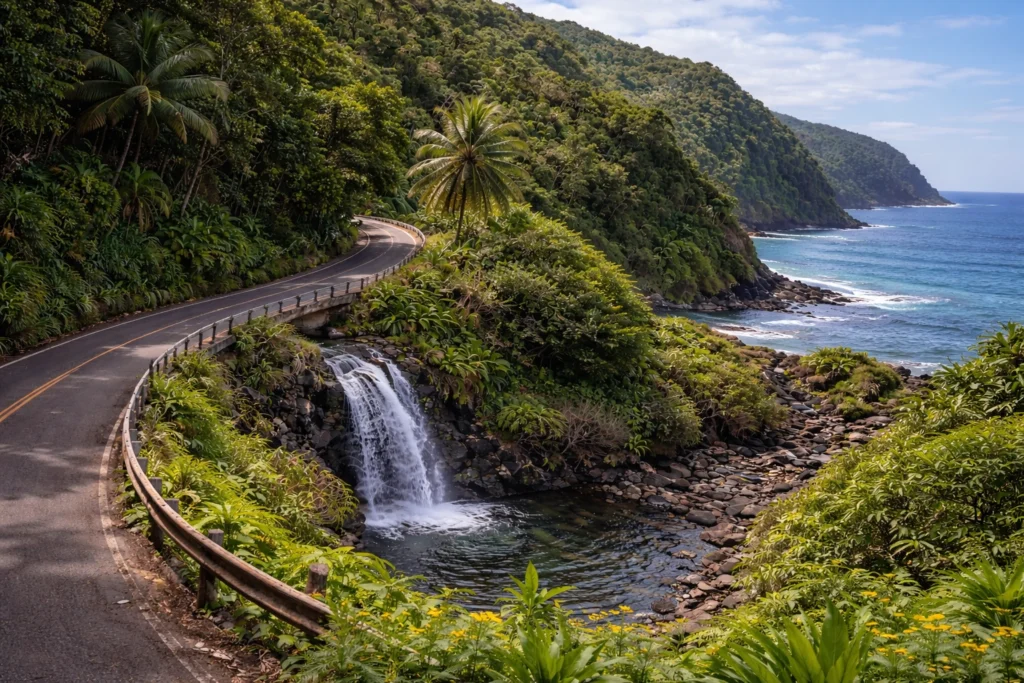
The Road to Hana isn’t just a drive; it’s an experience. This scenic drive follows the coastline through dense greenery, steep cliffs, cascading waterfalls, bamboo-lined sections, and volcanic beaches. The journey is about stopping often, taking your time, and letting Maui reveal itself slowly. Every curve brings a new viewpoint, making this one of the most scenic drives in the world.
Molokini Crater
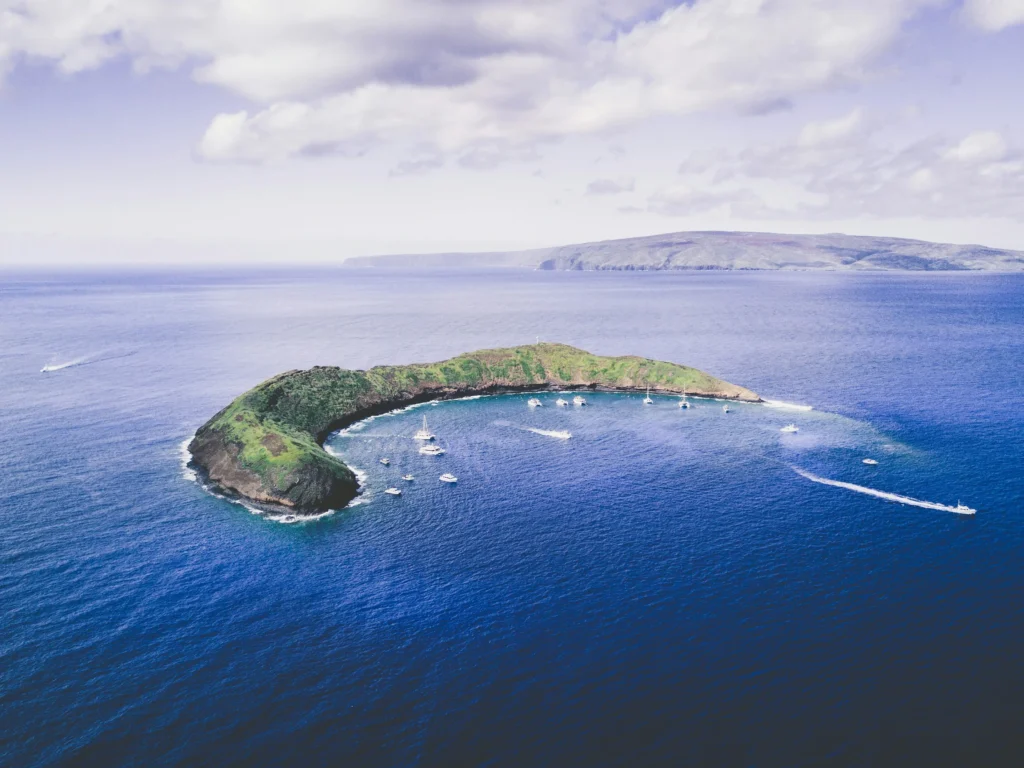
Molokini is a crescent-shaped volcanic crater just off Maui’s coast and one of Hawaii’s premier snorkeling and diving locations. The crystal-clear water offers excellent visibility, vibrant coral reefs, and an abundance of marine life. Whether you’re a first-time snorkeler or an experienced diver, being surrounded by colorful fish in such calm, clear waters is an unforgettable experience.
Wailea Beach
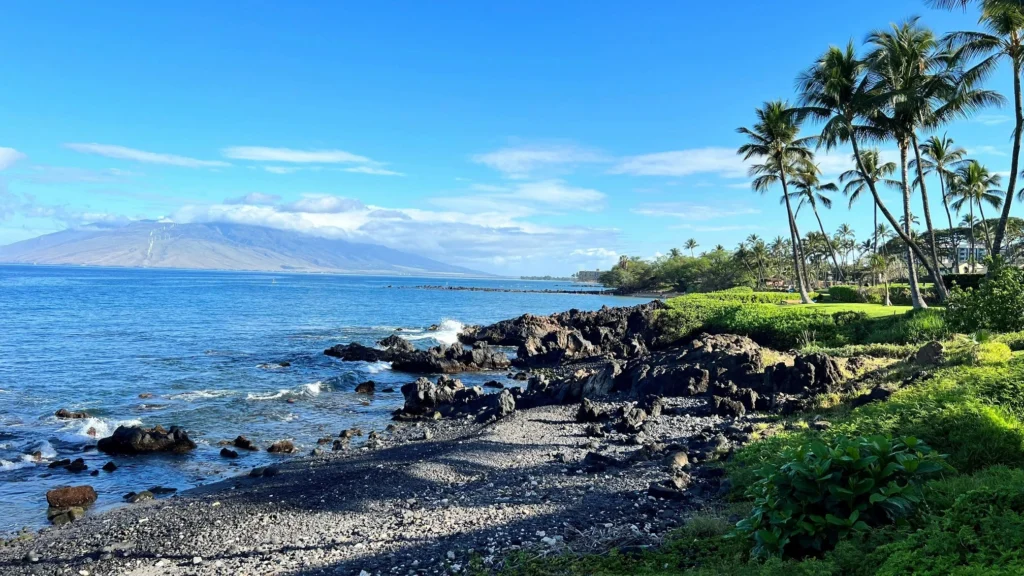
Wailea Beach perfectly represents Maui’s relaxed luxury. With soft golden sand, calm waters, and a backdrop of upscale resorts, it’s ideal for swimming, sunbathing, and sunset walks. Despite its popularity, the beach never feels overwhelming, offering plenty of space to unwind while enjoying some of the island’s best views.
Kapalua Bay
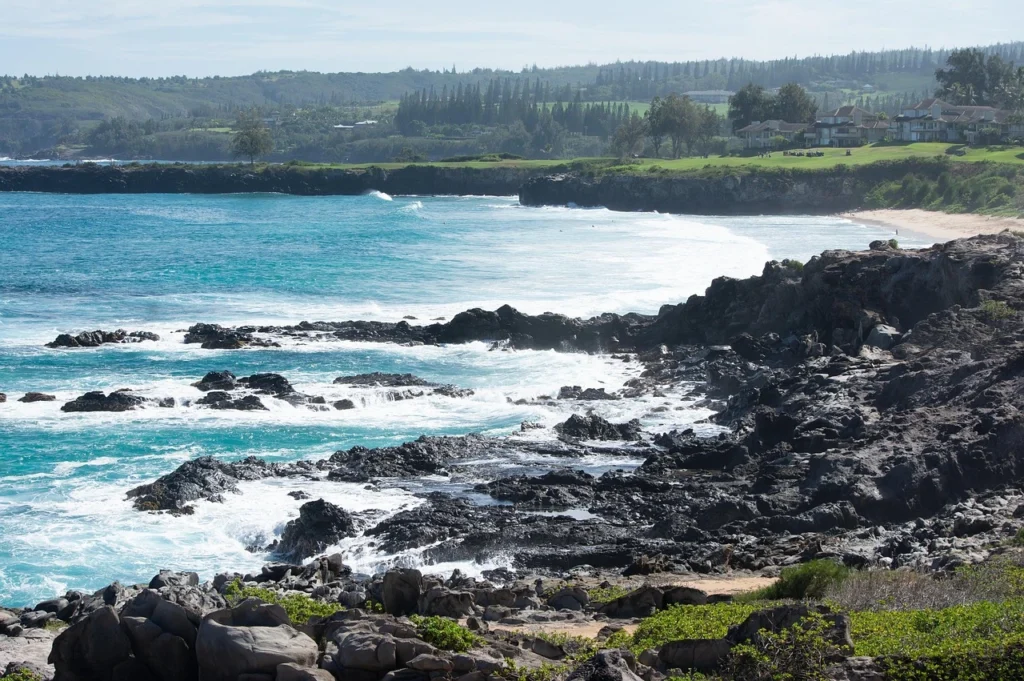
Kapalua Bay is often considered one of Maui’s most beautiful beaches. The bay is naturally shielded by rocky outcrops, creating calmer waters that are ideal for snorkelling. The surrounding cliffs, palm trees, and clear blue water give the area a peaceful, almost secluded feel, making it a favorite for visitors seeking tranquility.
Lahaina Town
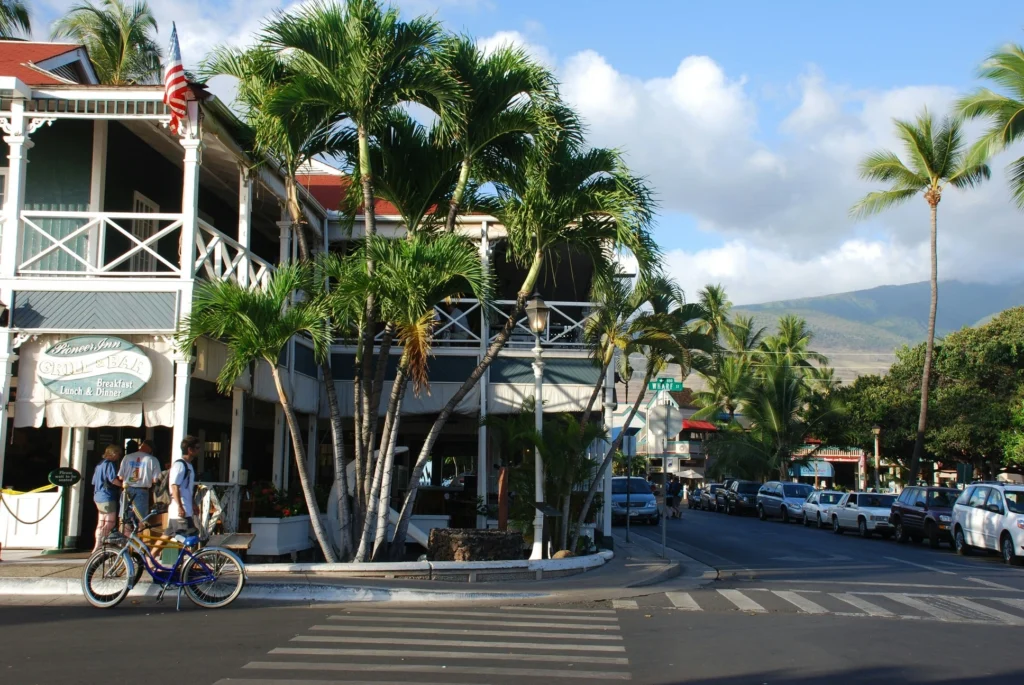
Once a historic whaling village, Lahaina blends culture, history, shopping, and oceanfront dining. As you explore the town, you’ll come across art galleries, small boutiques, historic sites, and a vibrant dining scene. Lahaina also serves as a popular departure point for whale-watching tours and sunset cruises, making it a central hub for island activities.
ʻĪao Valley State Monument
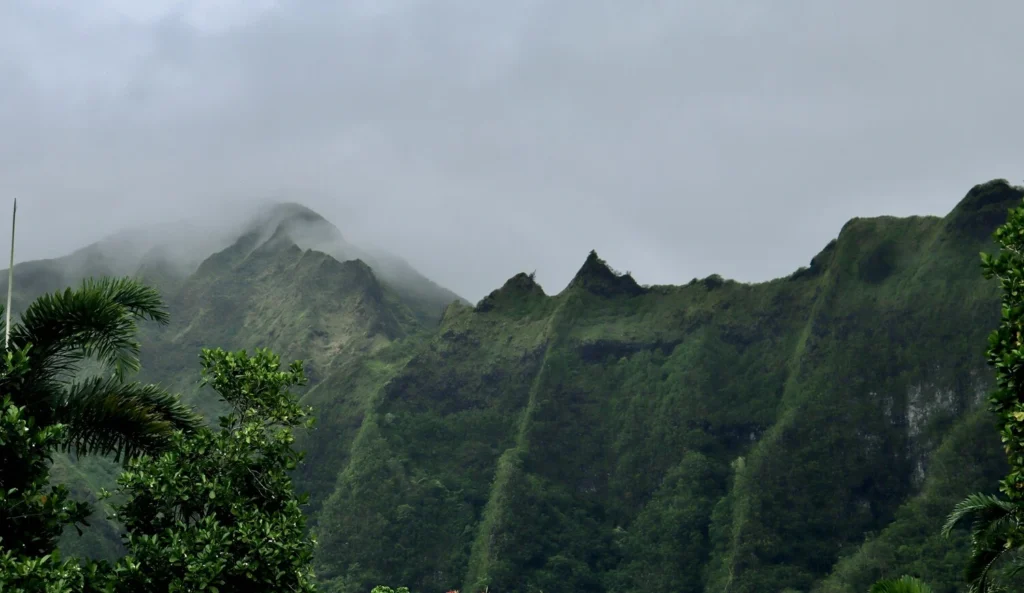
Set between steep, green mountain ridges, ʻĪao Valley stands out as one of Maui’s most striking inland areas. Known for the iconic ʻĪao Needle, the valley is steeped in Hawaiian history and offers a serene contrast to the island’s beaches. Short walking paths lead through lush scenery, making it an easy yet rewarding stop.
How Many Days Do You Need in Maui?
5 days: Covers major highlights at a relaxed pace
7 days: Ideal for exploring different regions without rushing
8–10 days: Perfect for a deeper experience, including rest days and multiple excursions
Maui rewards slower travel, so extra days always enhance the experience.
Where to Stay in Maui (Best Areas for Connectivity & Convenience)
Wailea
- Best for luxury travelers
- Calm beaches and high-end resorts
- Excellent road access
Kaanapali
- Great balance of beaches, shopping, and dining
- Ideal for first-time visitors
Kihei
- More budget-friendly
- Central location
- Good connectivity to most parts of the island
Paia
- Small-town, bohemian vibe
- Close to the Road to Hana
- Popular with surfers and creatives
Food to Try in Maui (And Where to Find It)
Local Must-Try Foods
- Poke bowls
- Shave ice
- Fresh seafood
- Kalua pork
- Macadamia nut desserts
Popular Food Spots
- Mama’s Fish House – Iconic fine dining with ocean views
- Da Kitchen – Local comfort food
- Paia Fish Market – Casual and fresh seafood
- Leoda’s Kitchen and Pie Shop – Casual spot serving sandwiches and freshly baked pies
- Food trucks in Kahului and Kihei – Affordable and authentic
Best Time to Visit Maui
April to May & September to October
- Best weather
- Fewer crowds
- Better accommodation rates
June to August
- Peak summer season
- Warmer weather
- Higher prices
December to March
- Whale-watching season
- Slightly cooler weather
- Busy holiday period
Maui is a year-round destination, but shoulder seasons offer the best balance.
Photography Tips
- Best light: Early morning for beaches and late afternoon for coastal cliffs; sunrise at Haleakalā is ideal for dramatic skies.
- Locations to prioritize: Road to Hana pull-offs, Wailea coastline, Molokini Crater (from boat), Haleakalā summit.
- Gear tips: Use a polarizing filter to reduce glare on water and enhance ocean blues; a wide-angle lens works best for landscapes.
- Composition advice: Include foreground elements like lava rocks, palm trees, or winding roads to add depth.
- Weather awareness: Clouds move quickly—wait a few minutes before changing locations, as light shifts fast.
Travel Tips for Visiting Maui
- Respect local culture and land
- Book rental cars and tours in advance
- Start early for popular attractions
- Pack reef-safe sunscreen
- Drive cautiously on narrow roads
Why Maui Is Worth Visiting
Maui isn’t the kind of place you rush through. It rewards travelers who take their time, those who stop often, explore slowly, and allow space for unplanned moments. Watching the sun rise above the clouds, swimming in clear water with marine life nearby, driving roads that hug the coastline, or sitting quietly at the beach as the day ends. These experiences stay with you because they feel genuine.
What makes Maui worth visiting isn’t just the scenery, but how the island makes you feel while you’re there. Present. Unhurried. Grounded. Whether it’s your first trip or a return visit, Maui offers a sense of balance that’s increasingly rare in travel, and that’s what keeps people coming back.
