
Kyoto is a city where history isn’t locked behind glass—it’s lived, worn, and walked through every day. One of the most beautiful ways to experience this living heritage is through a Kyoto kimono rental experience. Wearing a kimono while strolling through Kyoto’s temple-lined streets isn’t about dressing up for photos—it’s about slowing down and stepping into the rhythm of the city.
In a place where tradition still shapes daily life, the kimono feels perfectly at home. And for travelers, it becomes a meaningful way to connect with Kyoto beyond sightseeing.
The Cultural Importance of the Kimono in Kyoto
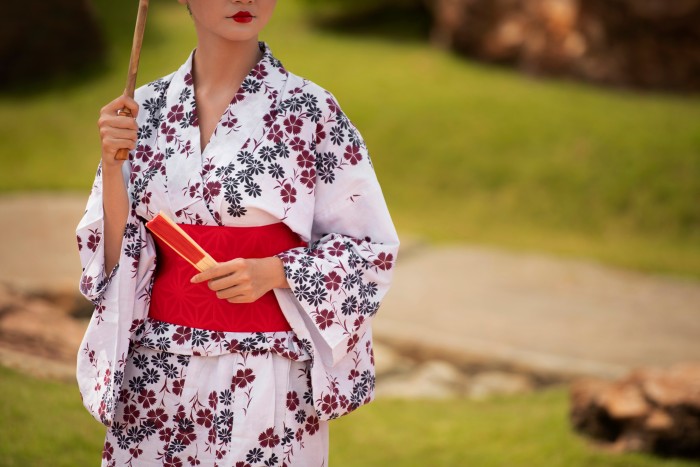
The kimono is far more than traditional clothing in Japan—it is a symbol of identity, seasonality, craftsmanship, and respect. Kyoto, once Japan’s imperial capital for over 1,000 years, has long been the center of kimono culture. Many of Japan’s finest textile techniques, silk weaving traditions, and dyeing methods originated here.
Historically, kimonos were a powerful form of visual language. The style, fabric, and detailing of a kimono often reflected a person’s social status and the occasion they were attending. Formal events called for intricately designed silk kimonos, while everyday wear was simpler and more practical, instantly signaling the wearer’s role within society.
Kimonos were also deeply connected to seasonal changes, a reflection of Japan’s close relationship with nature. Colors, patterns, and motifs shifted throughout the year—cherry blossoms and soft pastels in spring, flowing water and light fabrics in summer, maple leaves and rich hues in autumn, and pine or plum designs in winter. Wearing seasonally appropriate patterns showed cultural sensitivity and refinement.
Age and life stage played an important role in kimono design as well. Younger women typically wore brighter colors and long-sleeved kimonos, symbolizing youth and vitality, while older or married women wore more muted tones and shorter sleeves, reflecting maturity and elegance.
Finally, kimonos expressed regional identity. Different areas of Japan developed unique weaving techniques, fabrics, and design styles influenced by local climate and culture. Kyoto, in particular, became renowned for its refined silk craftsmanship and sophisticated aesthetic, shaping the kimono traditions still admired today.
In Kyoto, kimono culture never disappeared. Locals still wear kimonos for tea ceremonies, festivals, shrine visits, and important life events. Walking through areas like Gion or Higashiyama, it’s common to see kimono-clad figures blending naturally into the streetscape. By wearing a kimono in Kyoto, you’re not recreating history—you’re participating in it.
Why the Kyoto Kimono Experience Is So Special
What makes this experience truly different is how it changes the way you move through the city.
When dressed in a kimono:
- You naturally walk slower
- You become more aware of posture and movement
- You notice details—stone paths, wooden doors, falling leaves
Temples feel quieter. Streets feel more cinematic. Even familiar places take on a new atmosphere.
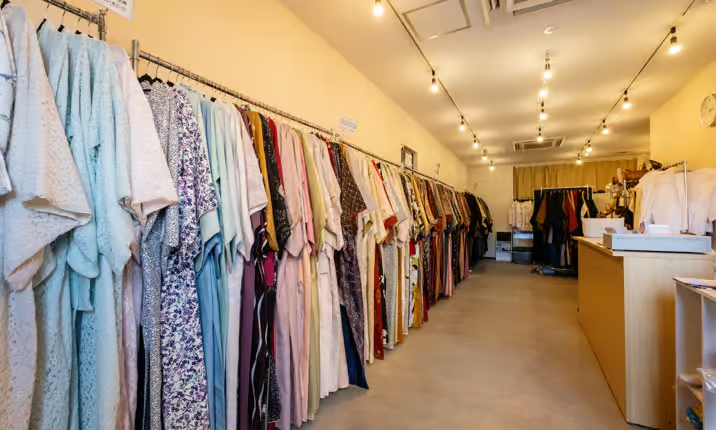
Unlike costumes, kimono rentals in Kyoto are handled with care and respect. Shops help you choose colors and patterns that suit the season, your personality, and even the locations you plan to visit.
This is not about pretending to be someone else—it’s about experiencing Kyoto through its own cultural lens.
What’s Included in a Kyoto Kimono Rental Experience?
Most kimono rental shops offer a complete, stress-free setup:
- Kimono or yukata (seasonal)
- Obi belt and accessories
- Traditional footwear (zori or geta)
- Bag or pouch
- Professional dressing assistance
- Hairstyling (optional or included in premium plans)
You simply arrive, choose your outfit, and step out ready to explore.
Best Areas to Wear a Kimono in Kyoto
Certain neighborhoods make the experience especially magical:
Gion
Traditional streets, teahouses, and lantern-lit evenings—perfect for classic Kyoto photos.
Click to book now
Higashiyama
Home to Kiyomizu-dera and narrow stone streets, this area feels timeless in a kimono.
Arashiyama
Pair bamboo groves, riverside paths, and mountain views with elegant seasonal colors.
Choice your fit here
When Is the Best Time for a Kimono Experience?
- Spring (March–April): Soft colors, cherry blossoms
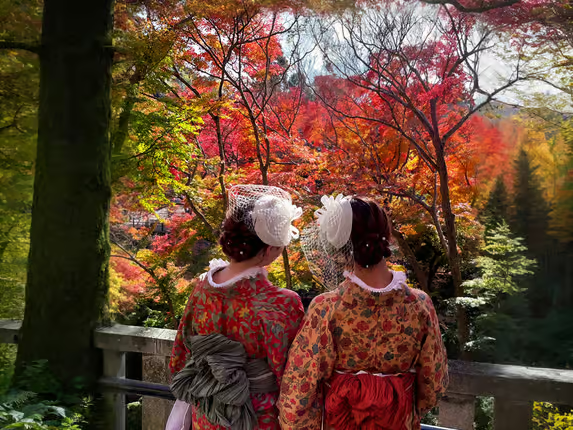
- Autumn (November): Rich tones, maple leaves (most popular)
- Summer: Light yukata instead of heavier kimonos
- Winter: Beautiful but colder—layering is essential
Early morning rentals are ideal for fewer crowds and better photos.
How to Plan Your Kimono Day (Step-by-Step)
Planning your kimono day in Kyoto is simple, but a little preparation goes a long way in making the experience enjoyable. It’s best to book your kimono rental in advance, especially during peak seasons like autumn and spring when demand is high. Choose a rental shop close to the area you plan to explore, such as Gion, Higashiyama, or Arashiyama, to avoid unnecessary travel once you’re dressed. Wearing light inner clothing, like a t-shirt or thin top, helps keep you comfortable throughout the day. When planning your itinerary, keep it relaxed—walking in a kimono naturally encourages a slower pace, making it ideal for short distances and meaningful stops. Most rentals are returned in the evening, though many shops offer next-day return options, which can be helpful if you want to enjoy a leisurely dinner or evening stroll without rushing.
Who Is This Experience Perfect For?
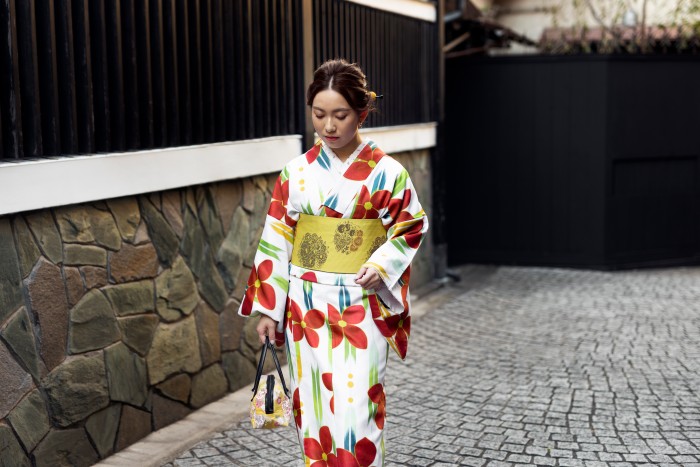
This experience is perfect for a wide range of travelers. Solo travelers often find the kimono experience deeply personal and grounding, as it encourages slower movement, mindful exploration, and a quiet connection with Kyoto’s traditions and streets. For couples, wearing a kimono together adds a romantic and intimate layer to the journey—shared walks through historic neighborhoods, thoughtful moments at temples, and timeless photographs become lasting memories. Families and groups of friends also enjoy the experience, as it offers a fun and interactive way to engage with Japanese culture. With styles available for all ages, it becomes a shared cultural moment that feels both meaningful and enjoyable for everyone involved.
Why This Experience Truly Makes a Difference
Kyoto is a city of layers—historical, spiritual, seasonal. Wearing a kimono allows you to feel those layers rather than just observe them. It transforms your visit from sightseeing into participation, from photos into memories.
You won’t just remember what Kyoto looked like—you’ll remember how it felt.
Final Thoughts
A Kyoto kimono rental experience is not about looking traditional—it’s about experiencing tradition in motion. From the way fabric moves with your steps to how locals smile in quiet recognition, this experience creates a deeper bond with the city.
If you’re looking for one activity that truly embodies Kyoto’s spirit, this is it.
