
San Diego is a city that’s easy to misjudge on a first visit. At a glance, it looks defined by beaches and good weather, but spend a little time moving between neighborhoods and a more practical picture emerges. The city is shaped by how people live here, where they eat, how they move, and how outdoor spaces are woven into everyday routines rather than treated as attractions. Beaches and landmarks matter here less than timing. When you arrive, how long you stay, and whether you move on before a place asks you to.
For first-time visitors, this makes San Diego approachable without being simplistic. For those returning, it becomes more interesting once you stop aiming for coverage and start paying attention to context. How coastal areas differ from inland districts, how the city changes by neighborhood rather than by landmark.
This guide is designed to help you plan a San Diego trip with clarity and confidence, offering structure where it’s useful and flexibility where it matters, so the city can be experienced fully without turning the trip into a checklist. This approach suits travelers who value walkable areas, flexible pacing, and neighborhoods over tightly scheduled sightseeing.
How to Reach San Diego
By Air
San Diego International Airport (SAN) is located close to Downtown, making arrivals and departures efficient. Taxis and rideshares connect quickly to central neighborhoods, while public buses serve Downtown and surrounding areas.
By Train
Amtrak’s Pacific Surfliner connects San Diego with Los Angeles and other Southern California cities along the coast. Santa Fe Depot places travelers directly in Downtown, within walking distance of several neighborhoods and transit options.
By Road
Interstate 5, Interstate 8, and Interstate 15 provide road access to San Diego. Bus services operate from major cities across California. Driving is useful for visiting coastal and residential neighborhoods, though parking varies by area.
Key Places That Show How San Diego Actually Works
La Jolla cove
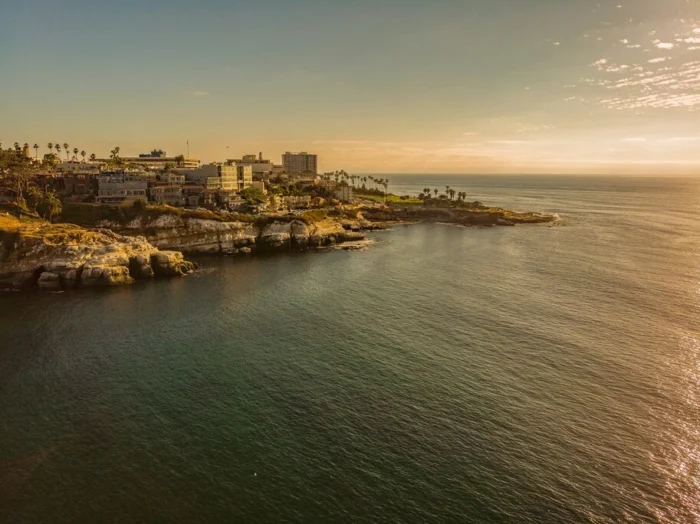
La Jolla Cove blends a dramatic natural coastline with the rhythm of everyday coastal life. Foot traffic moves steadily along the path, mixing locals on morning walks with visitors who slow down without realizing it. Seals resting on the rocks, paved walking paths tracing the water’s edge, and wide, unobstructed views of the Pacific create an atmosphere that feels lived-in rather than staged. It’s a place people linger, walk, and return to often, not just a quick photo stop.
Why visit: It reflects how San Diego’s coastline functions as part of daily life, where nature and routine coexist seamlessly.
Time needed: 1.5–2 hours
Cost: Free
Balboa Park
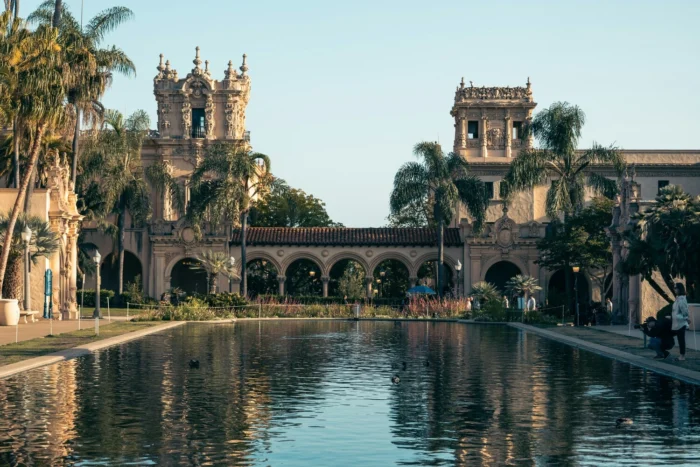
Balboa Park operates more like a shared urban space than a single, fixed attraction. Its museums, gardens, and open-air courtyards are laid out in a way that encourages wandering rather than structured sightseeing. Visitors can move between cultural landmarks and quiet green areas at their own pace, stopping briefly or staying longer without feeling rushed or committed to a strict plan.
Why visit: It adds cultural depth to San Diego while remaining connected to everyday city life, offering history, art, and open space in one continuous setting.
Time needed: 2–3 hours
Cost: Free park access; museums typically range from $15–$25
Gaslamp Quarter
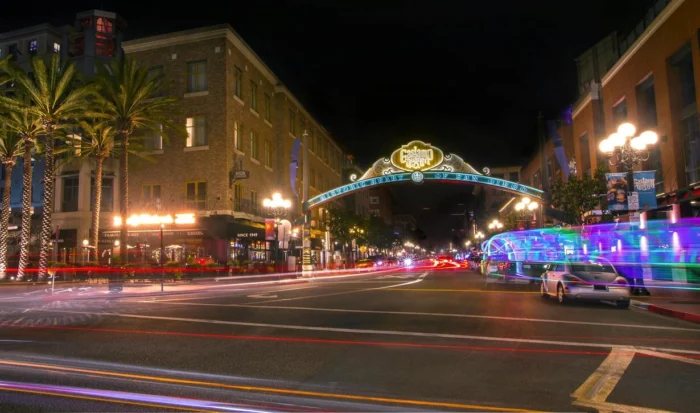
The Gaslamp Quarter offers a denser, more urban side of San Diego, where historic buildings have been repurposed into restaurants, boutiques, and nightlife venues. The streets stay active throughout the day and into the evening, creating a lively atmosphere that feels energetic yet navigable rather than chaotic. It’s a place where the city’s past and present intersect in a compact area. The area feels most defined by motion; short walks between stops, quick turns down side streets, and constant background noise rather than singular viewpoints.
Why visit: It adds contrast to San Diego’s quieter residential neighborhoods and relaxed coastal settings, highlighting the city’s urban character.
Time needed: 1–2 hours
Cost: Free to explore
Coronado Island
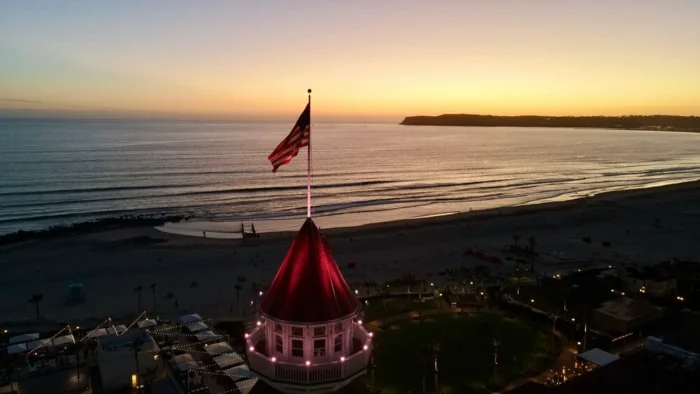
Coronado is characterized by wide, open beaches, understated coastal architecture, and streets designed for walking rather than rushing. Whether you arrive via the bridge or by ferry, the transition feels deliberate, as if you’ve stepped into a quieter, more self-contained setting. The pace is noticeably calmer, making it easy to explore without feeling the pressure to see or do too much. Streets feel intentionally quiet, with more bicycles than urgency and long stretches where nothing competes for attention.
Why visit: It provides both a visual and mental reset from the mainland while fitting comfortably into a half-day plan.
Time needed: 2–3 hours
Cost: Ferry ~$7 each way; beaches are free
Sunset Cliffs Natural Park
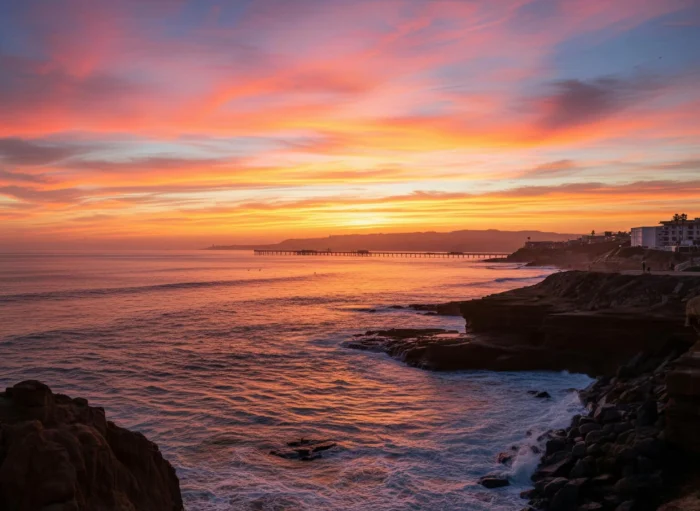
Sunset Cliffs draws attention outward, away from distractions and toward the elements themselves. There are no major facilities or structured attractions to guide the experience; instead, it’s shaped by shifting light, the movement of the water, and changing weather conditions. People tend to stand still here longer than expected, watching light change rather than moving from point to point. The cliffs encourage slowing down, standing, watching, and letting the surroundings set the pace.
Why visit: It promotes observation over activity, offering a reflective contrast to San Diego’s more structured destinations.
Time needed: 1–1.5 hours
Cost: Free
Old Town San Diego
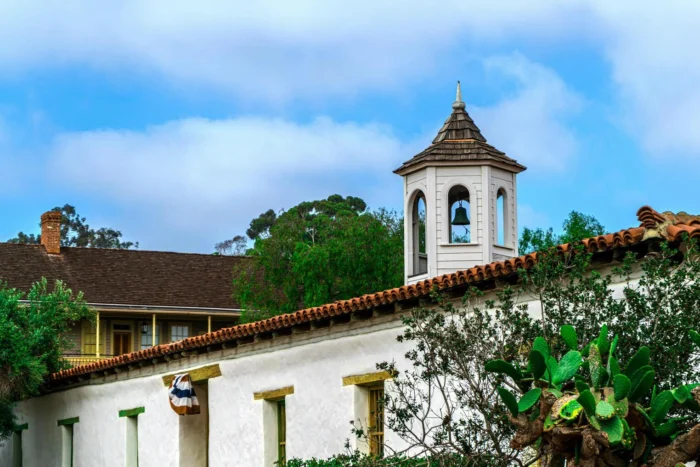
Old Town combines restored adobe structures, informal museums, and open public spaces that reflect the earliest phase of San Diego’s growth. The area is laid out in a way that encourages casual exploration, allowing visitors to absorb historical context through architecture and exhibits without the experience feeling staged or overly dramatic. It strikes a balance between learning and atmosphere.
Why visit: It provides meaningful historical perspective without requiring a large time commitment.
Time needed: 1–2 hours
Cost: Free; museums typically range from ~$5–$10
Neighborhoods That Show San Diego Beyond Attractions
North Park
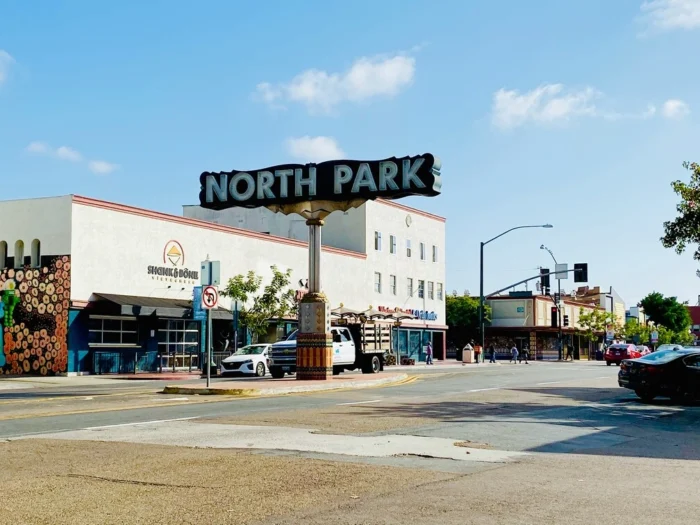
North Park feels rooted in daily routines. Independent cafés, local shops, and small creative spaces give it a grounded atmosphere that appeals to repeat visitors.
It’s best experienced slowly, moving between blocks, sitting in cafés, and noticing how the neighborhood functions beyond surface appeal.
Little Italy
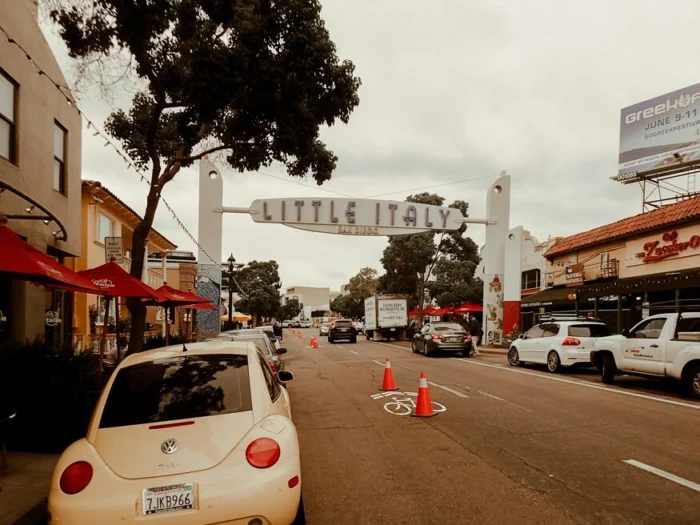
Compact and social, Little Italy blends dining, housing, and waterfront access. It remains functional even during busy hours.
The neighborhood works as a lived-in district rather than a tourist pocket, making it easy to experience without planning around peak times.
Best Food to Try in San Diego (Must-Eats)
San Diego’s strongest food experiences prioritize consistency and familiarity over novelty or presentation emphasis.
· Fish Tacos – Fresh ingredients with minimal preparation ($4–$8 each)
· California Burrito – A filling regional staple that prioritizes substance ($9–$14)
· Craft Beer Tastings – Focused on balance rather than extremes ($6–$10 per pour)
· Seafood Plates – Often strongest in coastal neighborhoods ($18–$35)
· Mexican Street Food – Affordable, casual, and widely available ($5–$12)
· Local Coffee Roasters — Designed for everyday regulars rather than hype ($3–$6)
Many of the most consistent meals are found outside beachfront zones, especially in residential areas.
San Diego Itinerary (4–5 Days Recommended)
Day 1: Coastal Familiarity
Spending time around La Jolla Cove gives an immediate sense of how closely the city is connected to the ocean. The experience leans toward observation and ease rather than fixed plans, making it a comfortable introduction to San Diego’s pace.
Estimated spend: $50–$80 (meals, transport)
Tip: Coastal areas feel most natural and less crowded earlier in the day.
Day 2: Balboa Park & San Diego Zoo
Begin the day at the San Diego Zoo, allowing 4–5 hours while energy levels are highest. Treat it as a dedicated visit rather than a stop you rush through. After exiting, remain within Balboa Park for open walks, gardens, or one museum at most. Keep the rest of the day flexible to recover from the physical pace of the zoo.
Estimated spend: $95–$130
Tip: Enter early and avoid stacking evening plans.
Day 3: Urban San Diego
Gaslamp Quarter and Little Italy introduce a denser urban rhythm centered on dining, walking, and movement. The day is defined more by where you pause than by landmarks themselves.
Estimated spend: $80–$110 (meals, transport)
Tip: Let food choices naturally determine your route through the neighborhoods.
Day 4: Distance and Perspective
A visit to Coronado, followed by Sunset Cliffs Natural Park, redirects attention away from schedules and back toward surroundings. The contrast reinforces San Diego’s slower, reflective side.
Estimated spend: $70–$100 (ferry, meals)
Tip: Arrive early at coastal viewpoints to avoid crowd buildup and shifting light.
Day 5 (Optional): Neighborhood Time
North Park works well as a closing day, offering familiarity without repetition. It’s ideal for revisiting places that felt comfortable rather than adding new stops.
Estimated spend: $60–$90
Tip: Repeat what you enjoyed most instead of forcing a final checklist.
Overall Budget Summary (Per Person, Excluding Flights)
Average daily spend: $75–$110
Estimated total (4–5 days): $340–$550
Accommodation ranges (per night):
Budget: $70–$110
Mid-range: $150–$230
Where to Stay in San Diego
· Downtown / Gaslamp: Central access and transit connections
· La Jolla: Coastal setting with quieter nights
· North Park: Residential environment with strong food options
Conclusion
San Diego functions best when approached without rigid expectations. Its layout, consistent weather, and overall accessibility support flexibility, allowing days to shift and unfold naturally without feeling disjointed or rushed. The city adapts easily to changing plans, whether that means lingering longer in one place or moving on sooner than expected.
A well-planned trip here isn’t measured by how much ground you cover, but by how comfortable the experience feels from one day to the next. When plans stay adaptable, San Diego reveals itself through ease rather than effort, and through rhythm rather than range.
