
New Orleans doesn’t try to impress you. It reveals itself instead through overheard conversations on balconies, the smell of something simmering long before you see a restaurant sign, and music that appears without warning and disappears just as easily. The city feels lived-in rather than staged, shaped by history that’s still active rather than preserved behind glass.
For first-time visitors, New Orleans offers a layered introduction to American culture that feels distinct from anywhere else in the country. For return travelers, the appeal lies in how familiar places shift depending on timing, company, and curiosity. The same street can feel entirely different on a second or third visit.
This guide is designed to help you experience New Orleans with intention; seeing its core places, understanding its neighborhoods, and leaving space for discovery without the pressure of rigid planning.
How to Reach New orleans
By Air
New Orleans is served by Louis Armstrong New Orleans International Airport (MSY), located about 15 miles from downtown. Taxis and rideshares take roughly 25–30 minutes depending on traffic. Airport shuttles and public buses are available, but rideshares are generally the most efficient option for visitors.
By Train
Amtrak services New Orleans via Union Passenger Terminal, connecting the city with Chicago, Los Angeles, and points across the South. The station is centrally located and walkable to parts of the Central Business District.
By Road
Interstates I-10, I-55, and I-610 connect New Orleans to neighboring states. Greyhound and regional bus operators also run frequent routes into the city, arriving near downtown.
Key Places and Experiences Across New Orleans
French Quarter
The French Quarter is less about sightseeing and more about observation. Iron balconies, narrow streets, and layered architecture tell stories without explanation. Its value lies in how history, nightlife, and daily routines coexist within a few compact blocks.
Why visit: It shows how New Orleans functions at its most concentrated.
Time needed: 2–3 hours
Cost: Free to explore

Garden District
Shaded streets, iron-laced balconies, and carefully preserved mansions give the Garden District a quiet sense of continuity rather than showy grandeur. Walking here feels unhurried and personal, as if you’re temporarily stepping into someone else’s everyday neighborhood instead of visiting a landmark.
Why visit: It provides breathing room and architectural contrast to the French Quarter’s density, offering a slower, more residential side of New Orleans.
Time needed: 1.5–2 hours
Cost: Free to explore

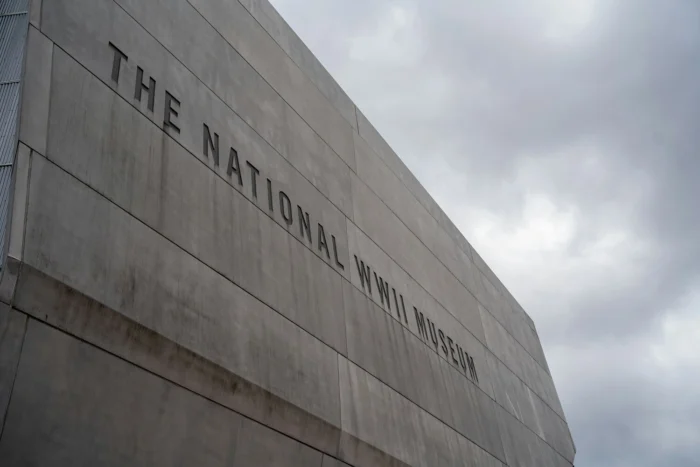
National WWII Museum
Rather than relying on static displays, this museum centers its experience on storytelling. Immersive galleries, first-person accounts, and carefully paced exhibits guide you through the human side of the war, making it emotionally engaging without ever feeling heavy or exhausting.
Why visit: It stands out as one of New Orleans’ strongest and most thoughtfully curated cultural institutions, appealing even to visitors who don’t usually seek out history museums.
Time needed: 3–4 hours
Cost: ~$32
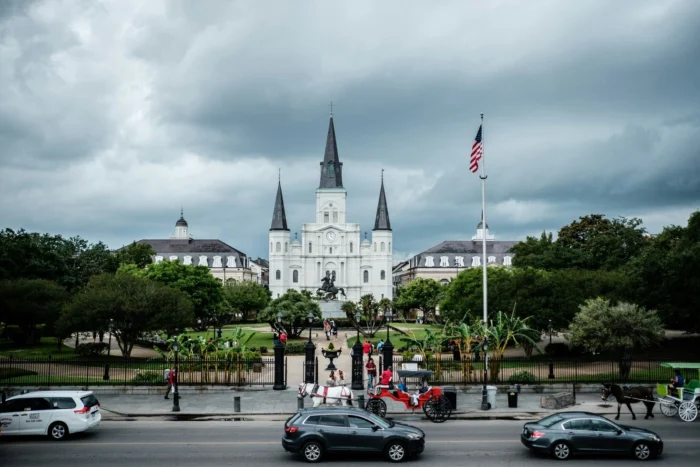
Jackson Square
Art, music, and movement define this space more than monuments. Local artists and performers give the place its energy, with the mood changing naturally depending on who shows up and what they bring to the moment.
Why visit: A snapshot of the city’s creative undercurrent.
Time needed: 45–60 minutes
Cost: Free
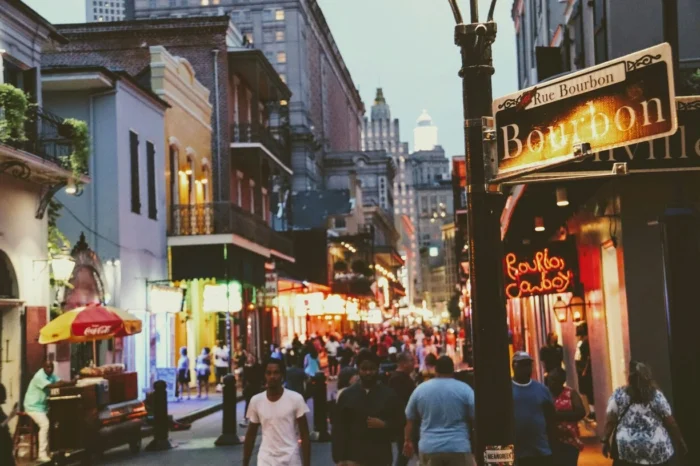
Bourbon Street
Bourbon Street is often misunderstood. Taken briefly and on your own terms, it explains part of the city’s relationship with celebration and excess.
Why visit: Context matters, even if you don’t linger.
Time needed: 30–45 minutes
Cost: Free
Mississippi Riverfront
The river quietly defines New Orleans: its layout, its pace, and its outlook on the world. Walking along the riverfront gives you room to slow down and observe how trade routes, cultural exchange, and generations of migration have shaped the city. It’s less about sights and more about understanding the forces that built everything around you.
Why visit: It adds context and perspective to nearly everything else you experience in New Orleans.
Time needed: ~1 hour
Cost: Free

Neighborhood Experiences You Shouldn’t Skip
Marigny
Marigny functions first as a lived-in neighborhood. Music venues, cafés, and bars appear organically within the area instead of shaping it around visitors.The atmosphere feels relaxed and lived-in, especially once you step off the main streets.
Why it’s worth visiting: It feels authentic and cultural without trying to perform authenticity.
Bywater
Bywater is defined by color, individuality, and a strong local presence. Brightly painted homes sit next to independent galleries and long-standing neighborhood spots, creating a place that feels expressive rather than curated.
Why it’s worth visiting: It offers insight into contemporary New Orleans culture beyond the historic core.
Central Business District
More modern in look and pace, the Central Business District brings together museums, offices, and a growing restaurant scene. It acts as a counterpoint to the older neighborhoods while still feeling connected to the city’s culture.
Why it’s worth visiting: A central, walkable area that balances convenience with cultural depth.
Best Food to Try in New orleans (Must-Eats)
- Gumbo: $10–18 — deeply layered, varying by cook and context
- Jambalaya: $9–16 — found in neighborhood spots beyond tourist corridors
- Po’boys: $8–15 — especially rewarding outside the French Quarter
- Beignets: $5–8 — simple, satisfying, and best shared
- Crawfish boil (seasonal): $15–25 — social as much as culinary
· Creole seafood dishes: $18–30 — quality is usually highest at locally owned, family-run spots
Some of the city’s most memorable meals come from places without signs or marketing, especially in residential areas.
New orleans Itinerary (4–5 Days Recommended)
Day 1
The French Quarter, especially the area around Jackson Square, works best as an entry point, offering sound, architecture, and street life as your first exposure to New Orleans. The focus isn’t on checking off landmarks, but on getting a feel for New Orleans’ rhythm and personality.
Estimated spend: $60–80 (meals, local transport)
Practical tip: Skip strict routes, let curiosity and wandering shape the day.
Day 2
Spend the morning in the Garden District, where quieter streets and historic homes offer a slower pace and a change of scenery. Later, head toward the Mississippi Riverfront to walk along the water and see how the river continues to shape the city’s layout and daily movement.
Estimated spend: $50–70 (food, streetcar fares)
Practical tip: Choose comfortable shoes as many sidewalks here are uneven and best explored on foot.
Day 3
Dedicate a large part of the day to the National WWII Museum, where immersive exhibits add historical context and depth to the trip. Afterward, keep the evening relaxed, staying nearby for a slower meal or an easy walk to unwind after a museum-heavy day.
Estimated spend: $80–100 (museum ticket, meals)
Practical tip: Take short breaks between exhibits to avoid fatigue and absorb the experience better.
Day 4
Spend the day moving through Marigny and Bywater, where creativity shows up naturally in homes, music, and everyday routines. Let the day unfold around neighborhood walks and unpretentious local food spots rather than fixed plans.
Estimated spend: $60–80 (food, transport)
Practical tip: Casual conversations often lead to the best meal recommendations.
Optional Day 5
Use the day to return to places that left an impression or to wander beyond the core neighborhoods at an unhurried pace. This extra time works best without a fixed agenda, allowing the city to reveal details you may have missed earlier.
Estimated spend: $50–70
Practical tip: Resist the urge to over-plan, leaving open space often leads to the most rewarding moments.
Overall Budget Summary (Per Person, Excluding Flights)
Daily average: $60–90
Total (4–5 days): $300–450
Accommodation ranges:
Budget: $70–120 per night
Mid-range: $150–250 per night
Where to Stay in New Orleans
• French Quarter: Central location with easy walking access to major sights and dining
• Central Business District: Convenient for museums, transit connections, and a more modern stay
• Garden District: Quieter, residential atmosphere with classic streetcar access
Conclusion
New Orleans reveals itself most clearly when you stop trying to analyze or organize it too tightly. The city communicates through experience: by listening to its sounds, tasting its food, and paying attention to small, unplanned moments rather than moving quickly from one highlight to the next. It doesn’t respond well to rigid schedules or over-precision; it opens up to curiosity, presence, and patience.
Leave space for detours and surprises. Those unscripted moments are often what linger longest, shaping how New Orleans stays with you well after the trip ends.
