
Chicago makes an impression that extends beyond its landmarks. The city pairs striking architecture with lived-in neighborhoods, carries its history with confidence, and continues to evolve without losing its identity. It feels lively without being overwhelming, often surprising visitors with how naturally it settles into an enjoyable rhythm.
From the skyline lining Lake Michigan to streets shaped by music, food, and local culture, Chicago reveals itself a little at a time. Each neighborhood has its own character, and every day offers a slightly different perspective. Whether it’s your first visit or a return after years away, the city manages to feel both welcoming and new.
What sets Chicago apart is how accessible it is. Getting around is straightforward, experiences are thoughtfully spread across the city, and enjoyment doesn’t rely on constant movement. This guide is built to help you experience Chicago in a way that feels balanced and satisfying, blending well-known highlights with local moments, without turning the trip into a rigid itinerary.
How to Reach Chicago
Chicago is one of the best-connected cities in the United States, making arrival simple from almost anywhere.
By Air
Chicago is served by two major airports:
· O’Hare International Airport (ORD)
· Midway International Airport (MDW)
O’Hare handles most international and long-haul flights, while Midway primarily serves domestic routes. Both airports are well connected to the city via trains, buses, taxis, and ride-sharing services, allowing easy access to downtown and surrounding neighborhoods.
By Train
Chicago functions as a central rail hub for the country. Union Station connects the city to major destinations across the Midwest and beyond, making train travel a comfortable option for nearby states.
By Road
Major highways link Chicago with surrounding regions, and long-distance buses provide an affordable alternative for budget travelers.
Key Places and Experiences Across Chicago
Chicago is best experienced through contrast. Its identity emerges from the way its design, waterfront, communities, cuisine, and cultural spaces intersect.
Millennium Park & Cloud Gate
Located in downtown Chicago, Millennium Park functions as a shared space used regularly by residents and travelers alike. The park’s open design and public art installations make it a convenient place to begin exploring the surrounding area.
Cloud Gate, commonly known as “The Bean,” mirrors the skyline and nearby park, making it one of the city’s most photographed features.
Recommended activities include:
· Walking through Millennium Park
· Viewing Cloud Gate from different angles
· Relaxing near the gardens and open spaces
Time needed: 1–2 hours
Cost: Free

Chicago Riverwalk
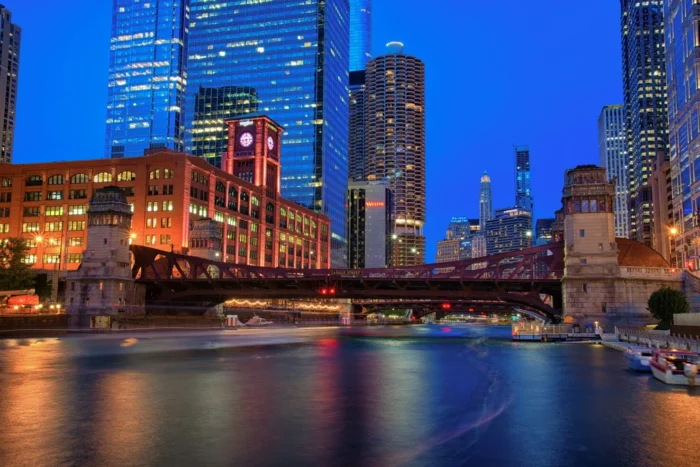
The Chicago Riverwalk offers a street-level perspective of the city’s famous architecture. Stretching along the Chicago River, this pedestrian-friendly space places you directly beneath some of the city’s most well-known buildings, giving you a closer look at how Chicago’s design and waterways interact.
The atmosphere here changes throughout the day. During daylight hours, it feels relaxed and scenic, and in the early evening, the Riverwalk shifts from office foot traffic to joggers, diners, and people lingering by the water. With multiple access points, seating areas, and cafés spread along the route, it’s easy to spend time here without feeling rushed.
Recommended activities include:
· Strolling along the river
· Taking photos of surrounding buildings
· Enjoying a coffee or drink by the water
Time needed: 1–2 hours
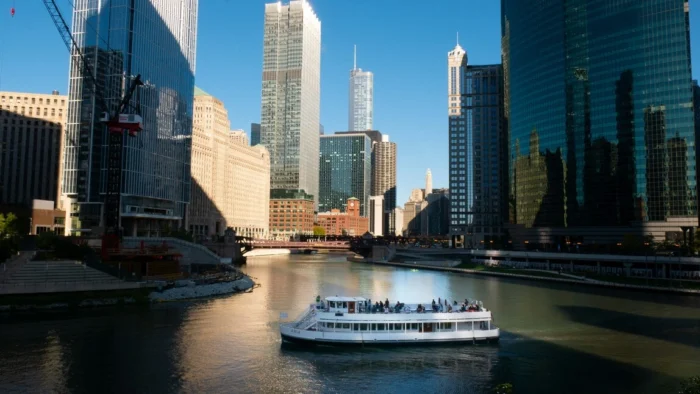
Architecture Boat Tour
Chicago’s skyline is best appreciated from the water, where the city’s architectural story becomes easier to understand. A river-based tour explains Chicago’s architectural evolution by linking its buildings to the time periods and ideas that influenced them. As the boat moves beneath bridges and past landmark structures, the scale and design of the city come into sharper focus, offering perspective that’s hard to gain from the streets alone.
Recommended activities include:
· Guided river cruise
· Learning about architectural styles
· Viewing the skyline from a unique angle
Time needed: 75–90 minutes
Cost: $40–$55
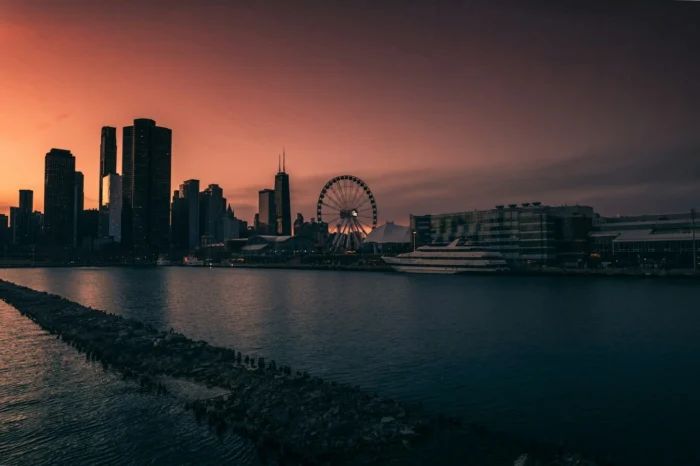
Navy Pier extends into Lake Michigan and offers open views, attractions, and a relaxed waterfront atmosphere. It’s less about specific attractions and more about enjoying the setting. Visitors often come here to take in the lake breeze, watch boats move along the water, or enjoy the skyline from a different angle, making it an easy stop that doesn’t require a fixed plan.
Recommended activities include:
· Walking along the pier
· Viewing the lake and skyline
· Optional rides or attractions
Time needed: 1.5–2.5 hours
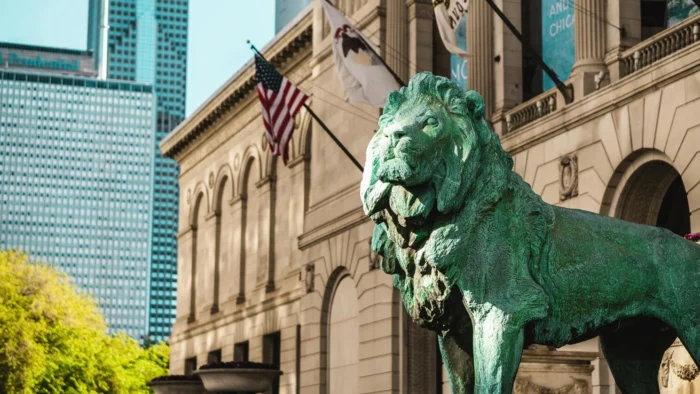
Art Institute of Chicago
The Art Institute is one of the country’s most respected museums. Rather than attempting to see everything, focusing on a few collections makes the visit far more rewarding. This approach allows you to spend meaningful time with the works that interest you most and keeps the experience engaging instead of overwhelming.
Recommended activities include:
· Exploring selected galleries
· Viewing well-known artworks
· Taking breaks between sections
Time needed: 2–3 hours
Cost: $32
Neighborhood Experiences You Shouldn’t Skip
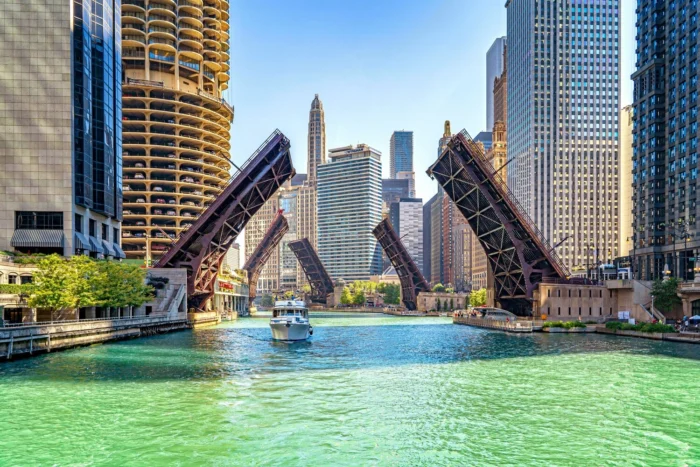
The Loop
The Loop is Chicago’s downtown core and home to many landmarks, theaters, and historic buildings. It also serves as a central hub for transit, making it easy to move between major attractions and nearby neighborhoods.
Why visit:
· Central location
· Architectural variety
· Easy access to major attractions
Wicker Park
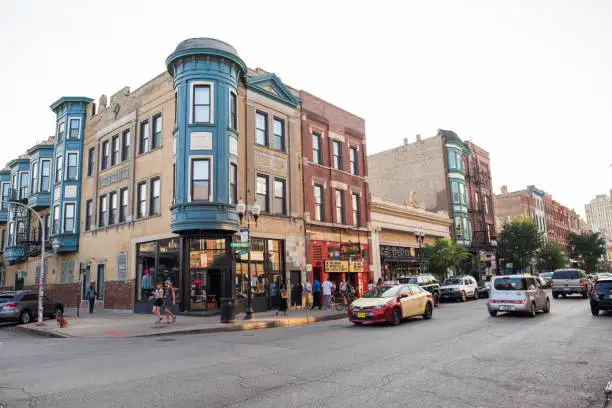
Wicker Park showcases a creative, modern side of Chicago with independent shops, cafés, and a strong music culture. The neighborhood feels energetic yet laid-back, making it a popular area for browsing, dining, and experiencing Chicago’s local scene.
Why visit:
· Browsing local stores
· Exploring casual dining spots
· Experiencing a relaxed neighborhood vibe
Lincoln Park
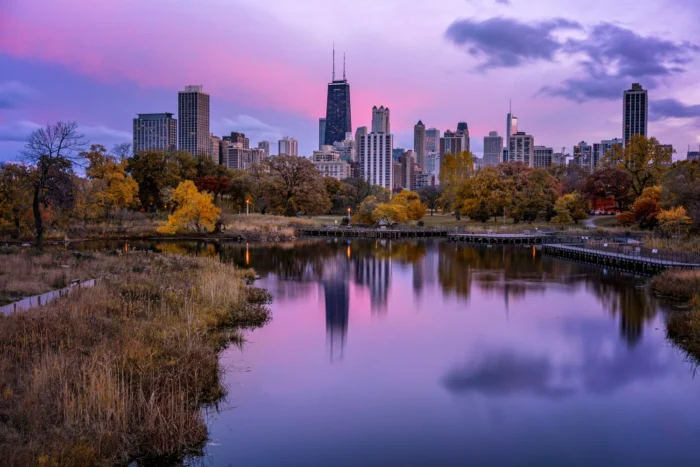
Lincoln Park blends green spaces, residential streets, and lakefront access. It offers a quieter contrast to downtown while still providing easy access to scenic walks, open parks, and views of Lake Michigan.
Why visit:
· Walking near the lake
· Enjoying open parks
· Visiting nearby cafés and shops
Best Food to Try in Chicago (Must-Eats)
· Deep-dish pizza ($20–$30 per pizza)
· Chicago-style hot dogs ($5–$8)
· Italian beef sandwiches ($8–$12)
· Garrett popcorn ($5–$10)
· Classic steakhouses ($35–$60+)
Chicago’s food scene rewards curiosity. Some of the best meals are found by exploring neighborhoods rather than sticking to tourist areas.
Chicago Itinerary (4 Days Recommended)
Day 1 – Arrival, Downtown & First Impressions
Arrive in Chicago by late morning or early afternoon and check in or store your luggage. Begin the day in Millennium Park, where you can ease into the city by exploring open spaces and public art before moving deeper into downtown. From here, head toward the Chicago Riverwalk to get a clearer sense of how the city is laid out and how its architecture frames daily life.
Spend the afternoon exploring nearby downtown streets, taking breaks as needed rather than rushing between sights. This is a good time to absorb the city’s rhythm and note areas you may want to revisit later.
In the evening, enjoy dinner downtown or along the river. As night falls, the reflections along the water and the illuminated buildings create a relaxed but distinctly urban atmosphere.
Estimated spend: $45–$65 (Food + Transport)
Tip: Downtown dining becomes more affordable a few blocks away from major attractions.
Day 2 – Architecture, Culture & the River
Dedicate the second day to understanding what makes Chicago visually and culturally unique. A river cruise offers an effective introduction to Chicago’s skyline, explaining its architectural evolution from a unique vantage point. After the tour, take a break for lunch nearby before heading to the Art Institute of Chicago. Instead of trying to cover the entire museum, choose a few galleries that match your interests and take your time with them.
In the evening, return to the Loop or nearby areas for dinner, or consider catching a performance at one of the city’s theaters if timing allows.
Estimated spend: $40–$55 (Architecture boat tour), $32 (Art Institute of Chicago entry), and $25–$35 (Food)
Tip: Check the official site before visiting the Art Institute of Chicago for working days and hours*
Day 3 – Neighborhoods & Lake Michigan
Use this day to experience Chicago beyond downtown. Start in Lincoln Park, where green spaces and lakefront paths offer a refreshing contrast to the city center. Spend time near Lake Michigan, enjoying open views and a slower-paced setting.
Later in the day, head to Wicker Park. Browse independent shops, explore local cafés, and get a feel for the neighborhood’s creative energy. This area works well for both casual shopping and dining.
Evening plans can stay flexible whether that’s a relaxed dinner, live music, or simply spending more time in the neighborhood.
Estimated spend: $55–$75 (Food and Transport)
Tip: Neighborhood days are best kept open-ended to allow for spontaneous stops.
Day 4 – Navy Pier or a Relaxed Final Day
On your final day, choose between visiting Navy Pier or revisiting an area you enjoyed earlier. At the pier, focus on the setting rather than attractions: the lake views, open spaces, and skyline perspectives are the main draw.
If you prefer a quieter wrap-up, use this time for last-minute shopping, a long brunch, or a final walk through downtown. Keep the schedule light to avoid rushing before departure.
Estimated spend: $40–$60 (Food and Transport)
Tip: Leave buffer time for travel, especially if departing during peak hours.
Overall Budget Summary (Per Person, Excluding Flights)
Daily average spend: $70–$110
4-day total: $280–$440
Accommodation:
Budget: $90–$130/night
Mid-range: $150–$230/night
Where to Stay in Chicago
The Loop: Central, well-connected, ideal for first-time visitors
River North: Lively dining and nightlife with easy access to downtown
Lincoln Park: Quieter area near green spaces and the lake
Conclusion
Chicago doesn’t rush you. Instead, it encourages you to slow down and notice the details. The way its architecture shapes the streets, how neighborhoods carry their own personalities, and how daily life unfolds at an easy, confident pace. The city strikes a rare balance between structure and spontaneity, allowing you to enjoy the experience without feeling pressured to see everything at once.
Whether your interests lean toward architecture, food, culture, or simply spending time along the lake, Chicago offers moments that linger well beyond the trip itself. It’s a place that rewards curiosity and attention, often giving back more than you expect when you take the time to look closer.
Chicago is ideal for travelers who enjoy cities that reveal themselves through neighborhoods and daily life rather than nonstop spectacle.
