
Boston is one of the oldest major cities in the United States, but it operates with the confidence of a modern urban center. Located in the northeastern state of Massachusetts, Boston sits along the Atlantic coast and is shaped by a compact geography, dense neighborhoods, and a layered history that still influences how the city moves today.
Unlike cities built for expansion, Boston was built for continuity. Streets curve unpredictably, neighborhoods change character within minutes of walking, and historical landmarks are not isolated attractions but embedded directly into daily life. Universities, hospitals, government buildings, and residential areas overlap in a way that keeps the city active without feeling overwhelming.
Boston works especially well for travelers who value walkability, structure, and depth over spectacle. It rewards people who like context, those who want to understand why a place looks the way it does, not just what it looks like. It works well for solo travelers who value moving at their own pace, couples who prefer low-key evenings and unhurried walks, and first-time visitors looking for a city that feels easy to manage without intensive planning.
What Boston Feels Like
Boston feels intentional. Mornings begin early, especially on weekdays, driven by students, professionals, and a strong commuter culture. Cafés open early, sidewalks fill quickly, and public transit becomes part of the city’s rhythm rather than a tourist feature.
The city carries its history without dramatizing it. Revolutionary-era buildings sit beside glass offices. Brick townhouses function as real homes, not museum displays. Parks are used consistently, not ceremonially. This balance between past and present defines Boston more than any single landmark.
Tourist-heavy areas such as downtown and the Freedom Trail are busy during the day, particularly in summer. However, step into nearby neighborhoods: Beacon Hill, Back Bay, Cambridge and the pace becomes noticeably calmer. Evenings are quieter compared to cities like New York. Boston’s nightlife exists, but it is contained and neighborhood-specific rather than city-wide.
Seasonality matters. Fall is widely considered the best time to visit, with cooler temperatures and academic energy returning to the city. Winters can be harsh but manageable with preparation. Spring is gradual. Summer brings crowds, festivals, and a noticeable increase in waterfront activity.
How to Reach Boston
By Air
Boston is served by Logan International Airport, located just across the harbor from downtown. It is one of the most convenient major US airports in terms of proximity to the city center.
Public transportation, taxis, and ride-hailing services provide easy access to downtown and surrounding neighborhoods. The airport’s location reduces long transfer times, making arrival and departure relatively efficient.
By Train
Boston is a major rail hub in the northeastern United States. Amtrak connects the city to New York, Washington D.C., and other East Coast destinations. Train travel is particularly practical for travelers already within the region.
By Road
Driving into Boston is possible but often unnecessary for city-focused trips. Traffic congestion is common, and parking costs are high in central neighborhoods. The city is best experienced on foot and by public transit.
Key Areas to Understand Before Visiting
Boston is not a single-center city. Understanding its neighborhoods improves both planning and pacing.
· Downtown & Financial District: Historical core, government buildings, Freedom Trail access
· Beacon Hill: Residential, historic, walkable, quiet
· Back Bay: Shopping, dining, architecture, central location
· Cambridge: Academic, youthful, independent culture
· North End: Dense, food-focused, traditionally Italian-American
· Seaport District: Modern development, waterfront access
Top Places to Visit in Boston
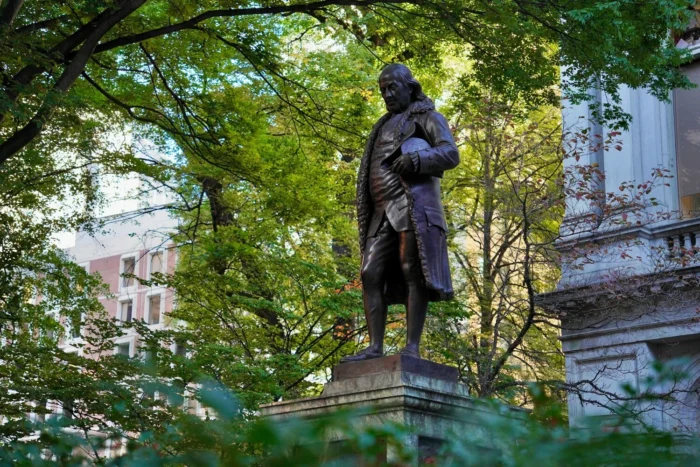
Freedom Trail
The Freedom Trail is a 2.5-mile walking route that links 16 historically significant sites connected to the American Revolution. Instead of functioning as a single attraction, it acts as a navigational backbone for the city, guiding visitors through downtown, older residential areas, and key civic spaces. The route is clearly marked and easy to follow, making it accessible even for first-time visitors.
Cost: Free
Best time: Morning, before tour groups peak
Good for: First-time visitors, history-focused travelers
Practical tip: Walk it in sections over one or two days rather than treating it as a continuous checklist
Boston Common and Public Garden
These adjacent green spaces form the oldest public park area in the United States and serve as a functional pause between Boston’s historical core and its commercial districts. Locals use the parks daily for walking, reading, and short breaks, which gives the area a lived-in feel rather than a tourist-only atmosphere. The transition from the Common’s open paths to the more landscaped Public Garden is subtle but noticeable.
Cost: Free
Best time: Late morning or early evening
Good for: Walks, rest breaks, seasonal scenery
Practical tip: Use this area as a buffer between sightseeing blocks rather than a standalone stop
Harvard University
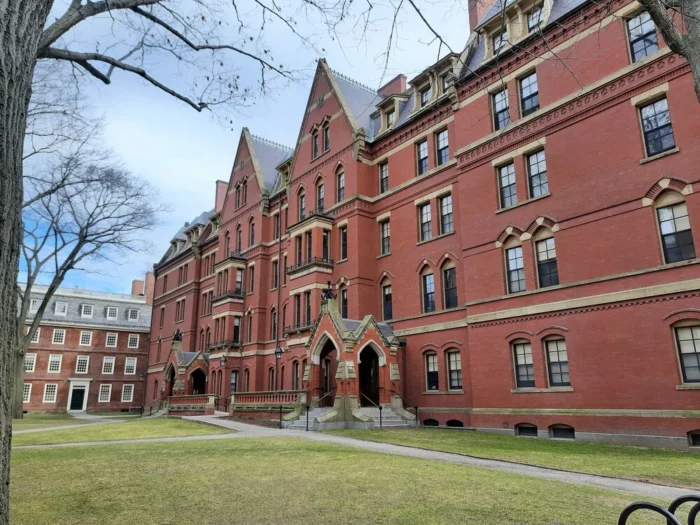
Located across the river in Cambridge, Harvard’s campus is open to the public and blends academic buildings, courtyards, and green spaces into a walkable layout. The area feels active without being overwhelming, shaped by students, faculty, and long-term residents. It is best experienced through unstructured walking rather than formal tours.
Cost: Free
Best time: Weekday mornings, when campus activity is visible but calm
Good for: Architecture, independent exploration
Practical tip: Skip guided tours unless you are specifically interested in institutional history
Quincy Market
Part of the larger Faneuil Hall complex, Quincy Market functions primarily as a food court rather than a cultural destination. It is efficient for a quick meal or rest stop, especially when moving between downtown sites, but it does not represent Boston’s broader food culture. Crowds are common during peak hours.
Cost: Free entry
Best time: Midday, outside peak lunch rush if possible
Good for: Quick meals, convenience stops
Practical tip: Eat here if needed, but prioritize dining elsewhere for a better local experience
Charles River Esplanade
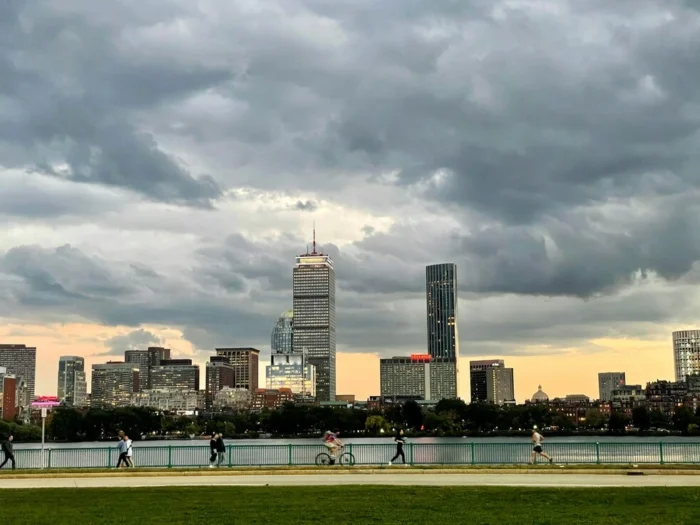
Stretching along the Charles River, the Esplanade offers a long, uninterrupted green corridor used for walking, jogging, cycling, and quiet sitting. It provides a clear contrast to Boston’s dense streets and works well as an evening activity after structured sightseeing. Views change gradually along the path, encouraging slower movement rather than fixed stops.
Cost: Free
Best time: Late afternoon or sunset
Good for: Solo travelers, couples
Practical tip: Enter from multiple access points depending on your neighborhood rather than walking the entire length at once
Underrated Places Worth Time
Beacon Hill
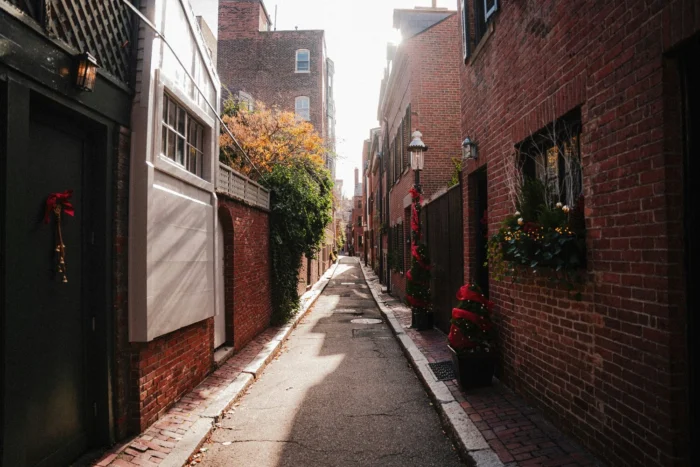
Beacon Hill’s narrow streets, brick townhouses, and consistently quiet atmosphere make it well suited for unstructured walking. The neighborhood feels residential rather than performative, with everyday routines continuing around you. It works best when explored slowly, without a fixed route or checklist.
Cambridge (Beyond Harvard Square)
Moving beyond the central square reveals a more relaxed side of Cambridge. Residential streets, independent bookstores, cafés, and student-oriented spaces create an environment that feels lived in rather than curated. It is a good area for spending a few hours without a defined plan, especially if you enjoy observing daily city life.
South End
The South End is defined by long rows of brownstones, small public parks, and a locally driven dining scene. Art galleries and cafés are integrated into residential blocks, giving the area a balanced, neighborhood-focused character. It suits travelers who prefer quieter exploration over major attractions.
Where to Stay in Boston
Best Area for First-Time Visitors: Back Bay
Why: Back Bay offers a central location with strong walkability, consistent public transit access, and a balanced mix of residential streets and commercial areas. It allows first-time visitors to cover major parts of the city without frequent transit changes.
What to look for: Hotels on quieter side streets, close proximity to multiple subway lines, and easy walking access to dining and parks
Best Area for Solo Travelers: Cambridge
Why: Cambridge supports independent travel well, with a high concentration of cafés, bookstores, and public spaces suited for solo time. The presence of universities keeps the area active throughout the day without feeling crowded.
What to look for: Accommodation within easy reach of the Red Line, walkable access to cafés, and well-lit streets
Best Area for Couples: Beacon Hill or South End
Why: Both neighborhoods offer calmer evenings, visually cohesive streets, and a slower pace compared to downtown areas. They are well suited for travelers who value atmosphere over nightlife density.
What to look for: Boutique hotels or serviced apartments, residential surroundings, and dining options within walking distance
Budget-Friendly Areas: Somerville, Allston
Why: These areas offer lower accommodation costs while maintaining reliable access to central Boston. A student-driven population keeps food and transit options practical and affordable.
What to look for: Strong public transit connections, grocery stores nearby, and straightforward routes into downtown
Food Culture in Boston
Boston’s food scene is functional rather than experimental. Quality and consistency matter more than trendiness.
· Clam chowder – $10–$18
· Lobster roll – $20–$35
· Italian food (North End) – $18–$30
· Coffee and pastries – $4–$8
· Casual pub meals – $15–$25
Vegetarian options are widely available, especially near universities.
How Many Days Are Ideal
3 days: Core history and neighborhoods
5 days: City depth + Cambridge + waterfront
7 days: Slow pacing, museums, day trips
5-Day Boston Itinerary (Morning / Afternoon / Evening)
Day 1: Arrival and Downtown Orientation
Morning
Arrive in Boston and check in or store luggage. Take a short walk around your accommodation to understand the immediate area.
Afternoon
Begin with Boston Common and the Public Garden. Walk a portion of the Freedom Trail, focusing on nearby sites rather than the full route.
Evening
Dinner in Back Bay or Beacon Hill. Keep the evening relaxed to recover from travel.
Approximate daily cost: $55–$80
(Food $30–$45, transport $10–$15, coffee/snacks $10–$20)
Day 2: History Without Rushing
Morning
Continue the Freedom Trail, starting early to avoid crowds. Visit key sites at a measured pace.
Afternoon
Lunch near the North End, followed by time walking residential streets rather than entering multiple museums.
Evening
Walk along the Charles River Esplanade near sunset.
Approximate daily cost: $60–$90
Day 3: Cambridge and Academic Boston
Morning
Travel to Cambridge. Walk through Harvard Yard and surrounding streets.
Afternoon
Lunch at a local café. Visit bookstores or sit in public spaces without scheduling.
Evening
Return to Boston for a quiet dinner near your stay.
Approximate daily cost: $45–$70
Day 4: Neighborhood Focus
Morning
Explore Beacon Hill or the South End on foot.
Afternoon
Visit a museum only if genuinely interested, otherwise prioritize walking and rest.
Evening
Dinner in the North End, planned early to avoid lines.
Approximate daily cost: $60–$100
Day 5: Waterfront and Departure
Morning
Walk the Seaport District or harborwalk.
Afternoon
Final café stop, packing, or casual shopping.
Evening
Departure or early night.
Approximate daily cost: $40–$65
Essential Booking Links (Boston)
Hotels: https://www.booking.com
(Best overall for availability, reviews, flexible cancellation)
Flights: https://www.google.com/flights
(Fast price comparison and date flexibility)
Local Transport: https://www.mbta.com
(Subway maps, passes, real-time updates)
Optional Tours: https://www.getyourguide.com
(Freedom Trail walks, harbor cruises)
Boston for Different Travelers
· Solo travelers: Walkability, libraries, cafés
· Couples: Historic streets, river walks
· Families: Parks, compact distances
· First-time US visitors: Clear structure, cultural grounding
Final Take
Boston is not a city that tries to impress quickly. It is built on continuity, not spectacle. Travelers who expect constant entertainment may find it restrained. Travelers who value structure, context, and cities that function as lived spaces tend to leave with a deeper appreciation.
Boston works best when you slow down, walk more than you plan, and allow neighborhoods not landmarks to shape your experience. It is a city that reveals itself through patterns, not highlights, and rewards attention far more than speed.
