
Switzerland isn’t the kind of place you rush through.
It’s the kind of place where you arrive thinking you’ll “see things,” but end up just being there a lot more than you expected. The air feels cleaner, the views feel wider, and somehow, even silence feels like part of the experience.
But planning a trip to Switzerland can feel overwhelming at first.
There are so many regions—mountains, lakes, cities, villages—and everything looks beautiful enough to include. The trick isn’t to do everything. It’s to choose well, move at the right pace, and let the place do what it does best.
Because Switzerland doesn’t need to impress you loudly.
It stays with you quietly.
Best Time to Visit Switzerland
Switzerland changes completely with the seasons, so when you go shapes your trip.
Summer (June to September) is one of the best times to visit if you want clear views, open hiking trails, and that classic green mountain scenery. The weather is comfortable, days are long, and everything feels alive.
July and August are peak months—beautiful but busier.
Spring (April–May) is quieter, with blooming landscapes and fewer crowds, though some mountain areas may still be closed.
Autumn (September–October) feels softer. The crowds thin out, the colors change, and everything feels calmer.
Winter (December–March) is a completely different experience—snow, skiing, and cozy mountain towns.
If you’re planning your first trip, summer or early autumn usually feels the most balanced.
How to Reach Switzerland
Most international flights land in cities like Zurich or Geneva.
Zurich is usually the easiest starting point, especially if you’re heading toward central Switzerland or the Alps.
From the airport, trains connect almost every part of the country seamlessly. You don’t really need to worry about complicated transfers—everything is designed to feel simple.
Getting Around (This Is Where Switzerland Shines)
Switzerland might have one of the easiest transport systems to navigate.
Trains run on time, connect even remote areas, and offer views that sometimes feel like part of the trip itself.
You’ll likely use the Swiss Travel System, which includes trains, buses, and boats—all connected.
For travelers, the Swiss Travel Pass is often worth it. It gives unlimited travel on most routes and makes everything feel effortless.
And honestly, in Switzerland, the journey between places is just as memorable as the destination.
Where to Go (Choosing Regions That Match Your Trip)
Switzerland isn’t about cities alone—it’s about regions.
Lauterbrunnen & Jungfrau Region
Lauterbrunnen feels like something out of a dream—waterfalls, valleys, and quiet views that don’t feel crowded.
Nearby places like Wengen or Grindelwald offer different perspectives of the same region.
Best for: first-time visitors, scenic beauty, slow travel

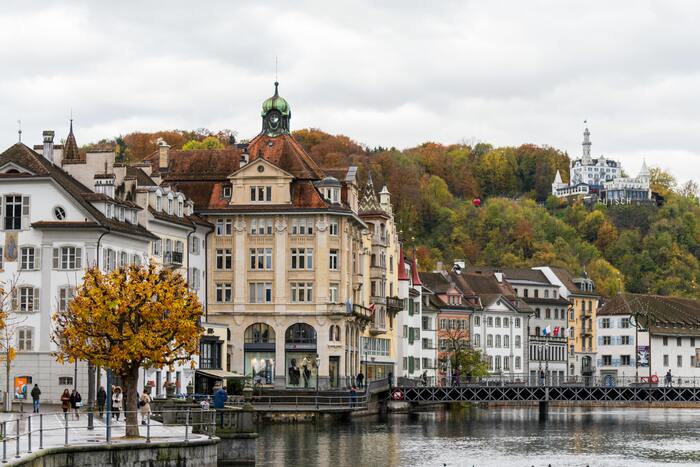
Lucerne
Lucerne blends lake views with a charming old town. It’s often the easiest starting point for a Swiss itinerary.
Best for: balance between city + nature
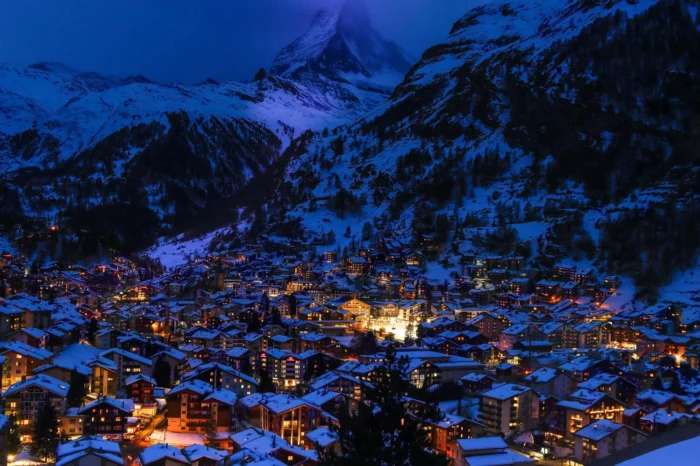
Zermatt
Zermatt sits near the iconic Matterhorn. It’s quieter, car-free, and feels slightly more exclusive.
Best for: peaceful mountain experience, couples
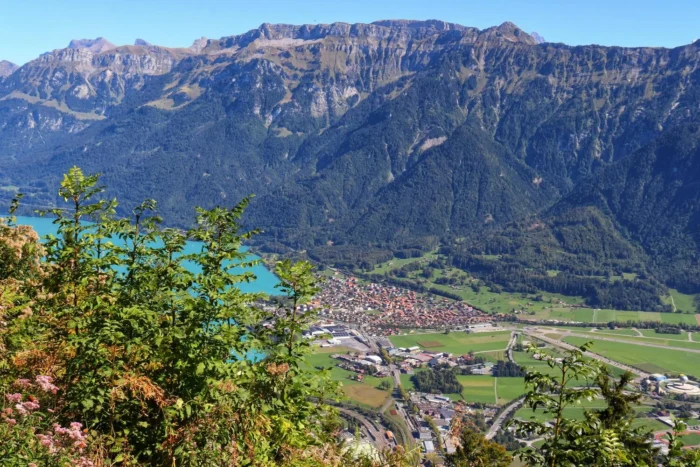
Interlaken
Interlaken sits between two lakes and acts as a base for exploring nearby regions.
Best for: adventure + accessibility
Zurich
Zurich is modern, clean, and worth exploring briefly, especially for food and city vibes.
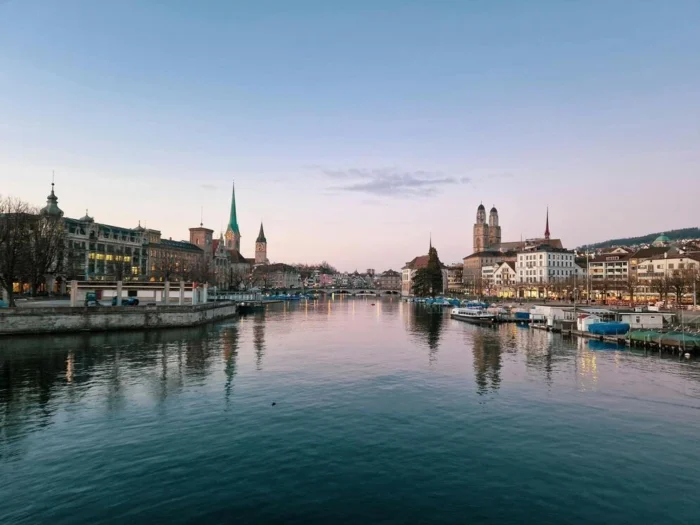
Best for: start/end of trip
A Simple 7–10 Day Itinerary
You don’t need to overpack your itinerary.
A smooth flow could look like:
- Day 1–2: Zurich or Lucerne
- Day 3–5: Interlaken / Lauterbrunnen region
- Day 6–7: Zermatt
- Day 8+: Return or explore another town
The key is not to move too much.
Switzerland feels better when you stay longer in fewer places.
What to Experience (Without Overplanning)
Instead of chasing attractions, focus on experiences.
Scenic Train Rides
Routes like the Glacier Express are known for their views.
Cable Cars & Mountain Views
Reaching higher viewpoints is part of the experience.
Walking & Light Hiking
Even simple walks feel memorable here.
Lake Time
Sitting by a lake in Lucerne or Interlaken often becomes the highlight.
Where to Stay
Switzerland has a range of options, but location matters.
- Lauterbrunnen/Wengen: scenic and peaceful
- Interlaken: convenient base
- Zermatt: quiet, romantic stays
- Lucerne: central and accessible
For couples → boutique hotels
For groups → apartments or Airbnbs
For budget → smaller guesthouses
Budget Guide (Important to Know)
Switzerland is expensive.
But it’s manageable if planned well.
- Hotels: $150–500+ per night
- Meals: $20–50 per person
- Transport: covered with travel pass
- Activities: $30–100+
Tip: Supermarkets (like Coop/Migros) help save on food costs.
What You’ll Actually Remember
It won’t just be the famous peaks.
It’ll be:
- Sitting quietly by a lake
- A train ride where you didn’t look at your phone once
- A view that made you pause longer than expected
- The feeling of fresh air that stayed with you
Final Thoughts
Switzerland isn’t a fast trip. It’s not about covering everything. It’s about slowing down enough to actually feel where you are.
Plan less.
Stay longer.
Move slower.
And let the place do the rest.
