
In a city filled with temples, gardens, and centuries-old streets, the Kyoto tea ceremony stands out not because it is grand—but because it is gentle. Taking part in a tea ceremony is one of the most meaningful ways to experience Kyoto, offering a pause from sightseeing and an invitation to slow down, observe, and be fully present.
This is not just about drinking tea. It is about understanding a tradition that reflects Japan’s values of respect, mindfulness, harmony, and simplicity. For travelers who want to go beyond photos and checklists, a Kyoto tea ceremony tour is a must-have experience.
What Is a Japanese Tea Ceremony?
The Japanese tea ceremony, known as Chanoyu or Sado, is a ritual centered around the preparation and serving of powdered green tea, called matcha. Every movement—from how the tea is whisked to how the cup is turned—is intentional and meaningful.
The ceremony is guided by four core principles:
- Harmony (Wa) – Balance between people, objects, and nature
- Respect (Kei) – Mutual consideration between host and guest
- Purity (Sei) – Cleanliness of space, body, and mind
- Tranquility (Jaku) – Inner calm achieved through the ritual
Rather than impressing guests, the host focuses on creating a peaceful, welcoming moment that exists only once—never to be repeated in exactly the same way.
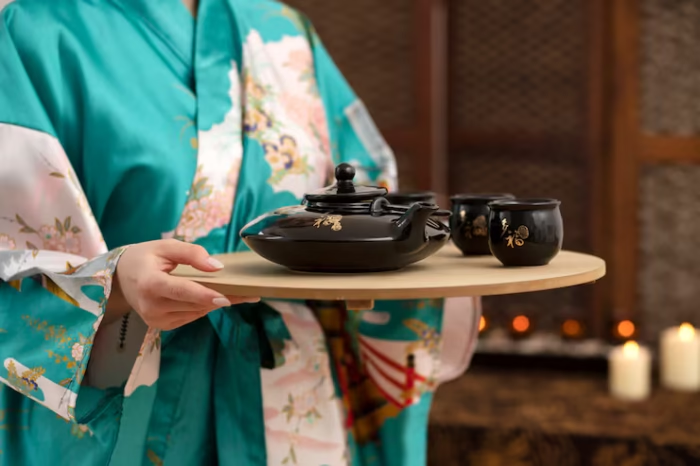
The Origins of the Tea Ceremony in Kyoto
Tea was first introduced to Japan from China by Buddhist monks in the 9th century, but it was in Kyoto that tea culture truly took shape. During the 15th and 16th centuries, tea master Sen no Rikyu refined the practice into the quiet, minimalist ritual we recognize today.
Kyoto became the heart of tea ceremony culture due to its close connection with Zen Buddhism and imperial traditions. Tea houses were designed as simple, intimate spaces where status disappeared at the door—everyone entered as equals.
This philosophy still defines tea ceremonies in Kyoto today.
Why Japanese Matcha Is So Special
Matcha used in tea ceremonies is different from everyday green tea. The leaves are shade-grown, stone-ground into a fine powder, and whisked directly into hot water—meaning you consume the entire leaf.
Benefits of Matcha:
- Rich in antioxidants
- Provides calm, focused energy
- Supports digestion
- Encourages mindful consumption
The taste is earthy, slightly bitter, and balanced with traditional Japanese sweets (wagashi), which are served before the tea.
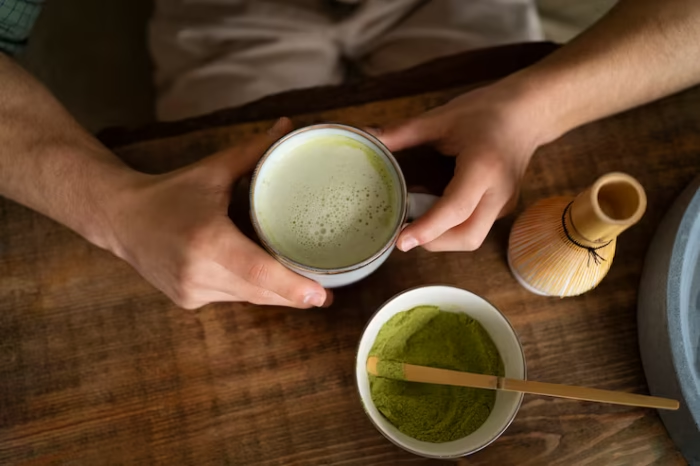
What Makes a Kyoto Tea Ceremony Experience Unique
Kyoto tea ceremonies are often held in traditional tea houses, temple rooms, or tatami-floored spaces designed to encourage quiet reflection. Seasonal flowers, hanging scrolls, and handcrafted tea utensils subtly reflect the time of year.
Unlike museum-style demonstrations, many tea ceremony tours in Kyoto are interactive. You’ll learn:
- How to hold and turn the tea bowl
- The meaning behind each movement
- Proper tea etiquette
- How to whisk matcha yourself
This hands-on element makes the experience feel personal rather than performative.
Why This Is a Must-Have Experience in Kyoto
A tea ceremony offers something rare in modern travel: stillness. While temples and landmarks are visually stunning, the tea ceremony engages your senses and emotions.
It allows you to:
- Experience Japanese culture from the inside
- Slow your pace in a busy itinerary
- Connect with Kyoto’s spiritual roots
- Appreciate simplicity and intention
For many travelers, it becomes one of the most memorable moments of their trip—not because of what they saw, but because of how they felt.
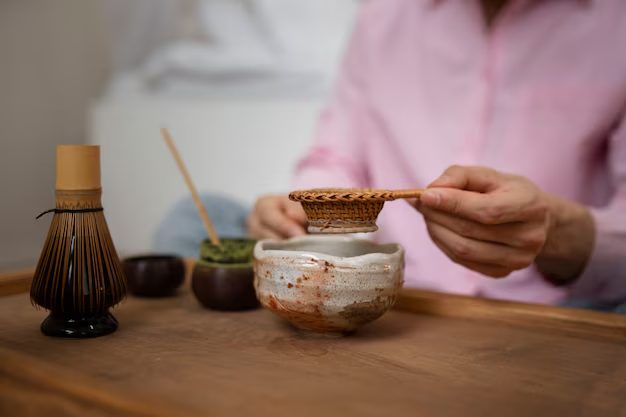
Who Will Love a Kyoto Tea Ceremony Tour?
- Solo travelers seeking mindfulness and cultural depth
- Couples looking for an intimate, meaningful shared experience
- Families wanting a gentle, educational activity
- First-time visitors wanting authentic cultural insight
No prior knowledge is needed. Tea masters guide guests warmly and clearly, making the experience welcoming and accessible.
How to Plan Your Tea Ceremony Experience
- Book in advance, especially in peak seasons
- Choose a ceremony close to Gion, Higashiyama, or central Kyoto
- Arrive on time and dress comfortably
- Keep an open mind—this is about presence, not perfection
Most ceremonies last between 45 minutes to one hour, making them easy to fit into any itinerary.
Uji: The Heart of Japan’s Matcha Culture
While Kyoto is the spiritual home of the tea ceremony, Uji, a small city just south of Kyoto, is the true heart of Japan’s matcha culture. For centuries, Uji has been famous for producing some of the country’s highest-quality green tea. Many of the matcha powders used in traditional ceremonies originate from this region.
Uji’s climate, soil, and farming traditions create tea leaves that are rich in flavor, smooth in texture, and highly prized by tea masters. Visiting Uji adds depth to your tea ceremony experience, allowing you to understand where the tea comes from before learning how it is prepared.
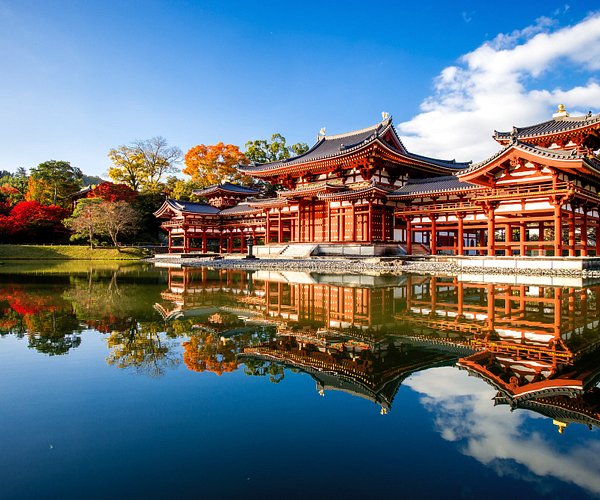
The area is also home to Byodo-in Temple, a UNESCO World Heritage Site featured on Japan’s ¥10 coin, making Uji a culturally rewarding half-day trip from Kyoto.
Where to Experience a Tea Ceremony: Luxury & Budget Options
Whether you’re seeking an elegant, high-end experience or a simple, authentic introduction, Kyoto and Uji offer excellent options for every budget.
Luxury Tea Ceremony Experiences
These experiences focus on exclusivity, traditional settings, and personalized guidance.
- Camellia Tea Ceremony (Gion & Arashiyama)
Private or small-group sessions in beautiful traditional townhouses with English-speaking hosts. - En Tea House (Central Kyoto)
Refined setting with premium Uji matcha and in-depth cultural explanations. - Tea Ceremony at High-End Ryokan
Some luxury ryokan in Gion and Higashiyama offer private ceremonies for guests.
Best for: Couples, honeymooners, luxury travelers, and cultural enthusiasts.
Budget-Friendly & Must-Try Experiences
These options are affordable, welcoming, and ideal for first-time visitors.
- Kyoto Maikoya (Gion & Nishiki Area)
Interactive, beginner-friendly ceremonies with kimono options. - Tea Ceremony Koto (Near Kiyomizu-dera)
Small-group sessions with hands-on matcha preparation. - Uji Tea Houses & Workshops
Local tea shops in Uji offer tastings and short workshops using fresh regional matcha.
Best for: Solo travelers, families, students, and budget-conscious visitors.
Hidden Gems & Local Favorites
For travelers seeking quieter, more traditional experiences, smaller neighborhood tea houses in Higashiyama and Uji often provide deeply personal sessions with fewer tourists. These may require advance booking and basic Japanese communication but offer a truly authentic atmosphere.
Best for: Slow travelers, repeat visitors, and culture-focused explorers.
Final Thoughts: Why You Should Add This to Your Kyoto Trip
Kyoto is a city of layers—history, spirituality, craftsmanship, and nature. A tea ceremony brings all of these together in one quiet moment.
In a world that moves quickly, the Kyoto tea ceremony invites you to pause. To sit. To breathe. And to experience Japan not as a visitor rushing through, but as a guest welcomed into its traditions.
If there is one experience that truly captures the heart of Kyoto, this is it.
Not loud. Not rushed. Just deeply meaningful.
