
Traveling alone in the United States works best when destinations support independence rather than challenge it. The strongest solo-friendly places are not necessarily the most famous, but the ones that allow movement without friction. Cities where walking alone feels normal, eating alone is unremarkable, and days can be shaped around interest rather than coordination.
The destinations in this guide succeed because they provide clarity. Public transport works. Attractions are readable without guides. Public spaces feel usable rather than performative. Whether urban or nature-based, these places allow solo travelers to stay engaged without feeling rushed, isolated, or overstimulated.
This guide focuses on New York City, San Francisco, Seattle, Chicago, Boston, Sedona, and San Diego, each chosen for how well they support solo movement, personal routines, and independent exploration. Some lean into density and culture, others into space and reflection. Together, they represent the range of solo travel experiences the U.S. offers.
How These Destinations Compare for Solo Travelers
· Best for anonymity and energy: New York City
· Best for reflection with urban structure: San Francisco
· Most suitable for independent routines and creative concentration: Seattle
· Best balance of culture and accessibility: Chicago
· Best for history-driven exploration: Boston
· Best for solitude and mental reset: Sedona
· Best for relaxed first-time solo travel: San Diego
Each destination supports solo travel differently, depending on whether you value intensity, calm, learning, or physical space.
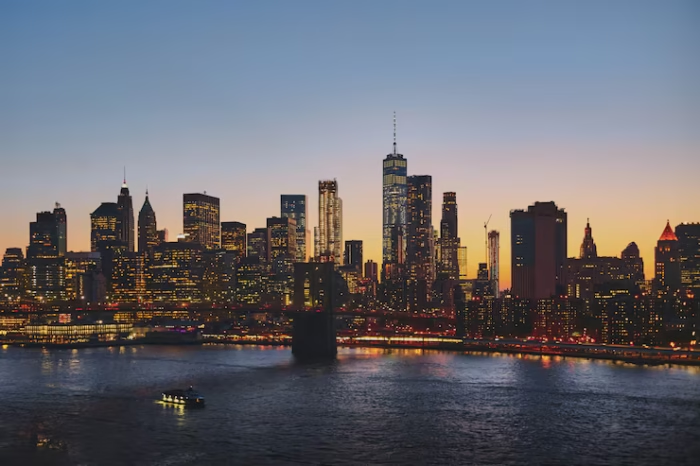
New York City
Best suited for: First-time solo travelers, creatives, long-distance walkers, cultural explorers
Why it works: The city is designed for individual presence
New York City does not require explanation. Being alone here blends into the background of daily life. People eat alone, walk alone, attend events alone, and move through the city without interaction unless they want it. This normalizes solo travel in a way few places do.
The city’s strength lies in its layered neighborhoods. Manhattan alone offers contrasting experiences within short distances, while Brooklyn adds residential calm and local rhythm. Museums, parks, bookstores, performances, and street-level observation fill days without forcing structure.
How to reach
Three major airports: JFK, LaGuardia, and Newark, connect New York globally. Amtrak and regional trains link the city to the Northeast corridor.
What to do
Spend time at The Metropolitan Museum of Art, where self-paced exploration works better solo than in groups. Walk through Central Park, especially the quieter paths near The Ramble or Conservatory Garden. Choose a neighborhood like Greenwich Village or Brooklyn Heights and walk without a route, letting the streets define the experience.
Why it’s good for solo travel
New York offers control. Days can be dense or minimal. You can disappear into the crowd or stay within a single neighborhood. Solitude here feels neutral, not emphasized.
Ideal months: April–June, September–November
These months support long walking days without weather interference. Outdoor spaces remain usable, and city routines feel balanced rather than extreme.
Click for a detailed Travel Guide
San Francisco
Best suited for: Reflective travelers, professionals, slow urban explorers
Why it works: Compact scale with visual depth
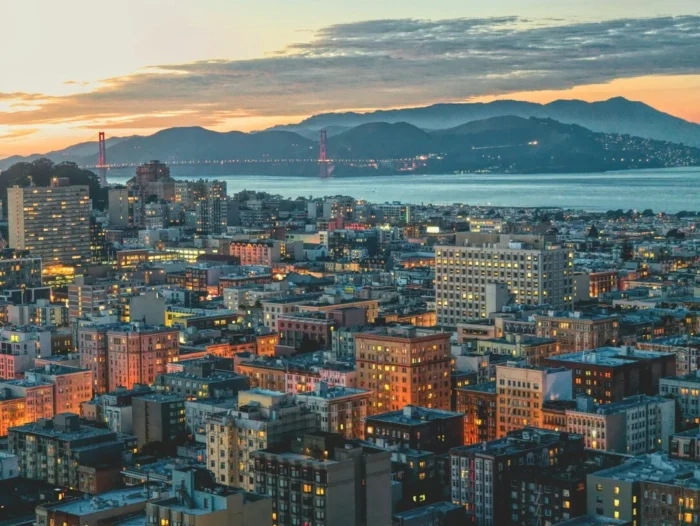
San Francisco combines strong local character with natural framing. Hills, water, and neighborhood boundaries give the city shape. This structure helps solo travelers stay oriented without feeling confined.
The city encourages observation. Cafés, waterfront paths, and ferry routes provide natural pauses. There is less pressure to constantly engage, making it suitable for travelers who prefer depth over volume.
How to reach
San Francisco International Airport offers extensive international connectivity. BART and local transit link major areas.
What to do
Take the Alcatraz Island audio tour, which is designed for individual listening and reflection. Walk the Golden Gate Bridge and continue into Crissy Field for uninterrupted coastal views. Spend an afternoon in North Beach cafés, where solo seating is common and unhurried.
Why it’s good for solo travel
San Francisco supports personal routines. Morning walks, afternoon cafés, and evening viewpoints form a repeatable rhythm that suits independent travel.
Ideal months: March–June, September–October
Weather stays consistent, supporting outdoor exploration without physical strain.
Seattle
Best suited for: Introverted travelers, readers, remote workers
Why it works: The culture respects personal space
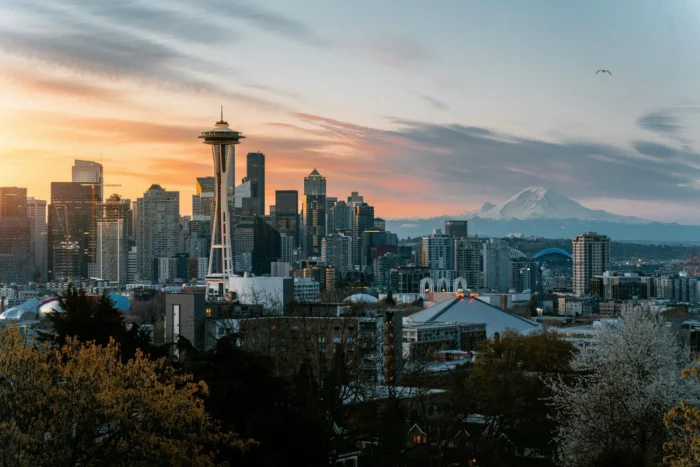
Seattle’s identity is shaped by water, forests, and independent businesses. The city feels designed for people who move through it quietly. Many cafés serve as productive solo spaces, bookstores invite extended browsing, and waterfronts provide room for distraction free movement.
Social interaction is optional, not expected. This makes Seattle especially comfortable for solo travelers who prefer observation over participation.
How to reach
Seattle-Tacoma International Airport serves international and domestic routes. Light rail connects major areas.
What to do
Visit Pike Place Market early in the morning, when movement is calm and observation feels natural. Take a Washington State Ferry to Bainbridge Island for a quiet half-day trip. Spend time reading or working from Capitol Hill cafés, where solo visitors blend in easily.
Why it’s good for solo travel
Seattle allows solitude without explanation. The city’s environment naturally supports thoughtful, independent days.
Ideal months: May–June, September
Outdoor areas remain accessible, and the city feels open rather than closed-in.
Chicago
Best suited for: Culture-focused travelers, architecture enthusiasts
Why it works: Big-city depth with readable layout
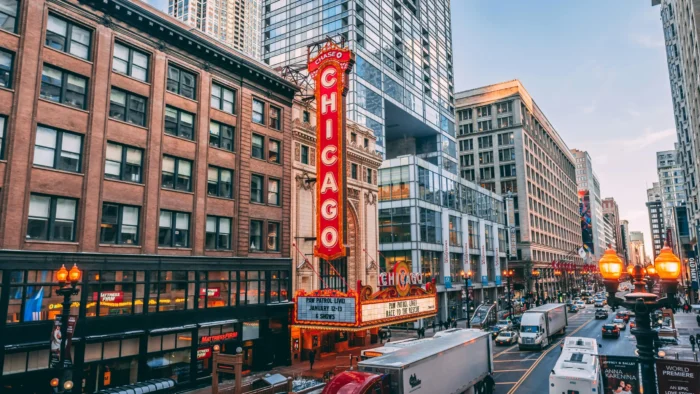
Chicago offers scale without confusion. The city is well-organized, with clear neighborhoods, reliable public transport, and strong public institutions. Architecture, museums, and food culture give solo travelers purpose without requiring constant planning.
The lakefront adds open space, balancing urban density with physical relief.
How to reach
O’Hare International Airport is one of the world’s largest hubs. Trains and buses connect the city efficiently.
What to do
Join an architecture river cruise, which works especially well without company due to its guided format. Walk or bike along the Lakefront Trail, starting near Millennium Park. Spend focused time at the Art Institute of Chicago, which encourages slow, individual viewing.
Why it’s good for solo travel
Chicago feels welcoming without being intrusive. The city’s structure supports independent movement while maintaining cultural richness.
Ideal months: May–June, September
Public spaces are active, and weather supports extended exploration.
Checkout out the Guide to the Windy City
Boston
Best suited for: History-focused travelers, students, writers
Why it works: Learning through movement
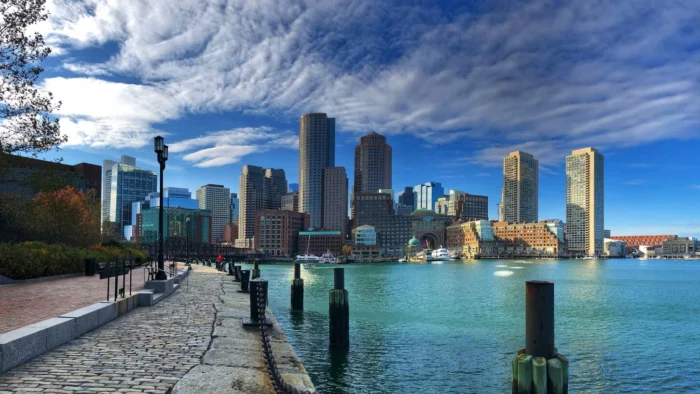
Boston is compact, walkable, and layered with historical context. The city rewards attention. Streets, buildings, and public spaces carry meaning that unfolds gradually rather than through spectacle.
The academic influence shapes the city’s tone. Libraries, museums, and neighborhoods feel purposeful rather than performative.
How to reach
Logan International Airport connects Boston domestically and internationally. Public transport supports most travel needs.
What to do
Walk the Freedom Trail at your own pace, stopping selectively at sites that interest you. Spend time at the Boston Public Library, with special attention to its historic reading rooms. Explore Beacon Hill on foot, where the compact streets reward quiet observation.
Why it’s good for solo travel
Boston feels navigable and grounded. Solo exploration here feels intentional rather than incidental.
Ideal months: April–June, September–October
Walking-heavy days remain comfortable, and the city feels open.
Sedona
Best suited for: Solo travelers seeking solitude, clarity, and outdoor focus
Why it works: Nature defines the experience
Sedona operates on a different logic. The landscape determines the day. Red rock formations, trails, and viewpoints replace schedules and attractions.
This destination suits travelers who want separation from urban environments without isolation from infrastructure.
How to reach
Phoenix Sky Harbor International Airport followed by a road journey. A car is essential.
What to do
Hike Cathedral Rock or Bell Rock, both accessible solo with clear trails. Drive the Red Rock Scenic Byway early in the day for uninterrupted views. Spend quiet time at Airport Mesa during sunrise or late afternoon.
Why it’s good for solo travel
Sedona strengthens solitude. Being alone enhances attention rather than diminishing it.
Ideal months: March–May, September–November
Outdoor conditions support extended time outside without discomfort.
Here are a few details to help you plan a tip to the Red Rock Capital

San Diego
Best suited for: First-time solo travelers, long stays
Why it works: Relaxed structure with reliable support
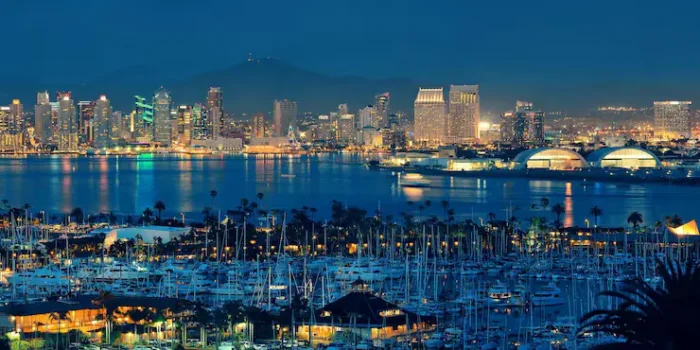
San Diego combines coastal access with city convenience. Beaches, parks, and neighborhoods coexist without friction. The environment feels usable rather than curated.
This balance makes San Diego especially approachable for solo travelers new to independent trips.
How to reach
San Diego International Airport is close to downtown. Public transport and ride services cover most needs.
What to do
Walk along La Jolla Cove and observe marine life from the cliffs. Spend a few hours in Balboa Park, moving between open spaces and museums. Take a long walk at Coronado Beach, where the shoreline allows uninterrupted time alone.
Check out Top 10 Places for Solo Trip to San Diego
Why it’s good for solo travel
San Diego reduces planning effort. The city allows days to unfold naturally.
Ideal months: February–May, September–November
Weather remains stable, supporting outdoor routines.
How Long to Plan for Each Destination
These timeframes allow solo travelers to engage deeply without overloading days.
New York City: 5–7 days
San Francisco: 3–5 days
Seattle: 3–4 days
Chicago: 3–4 days
Boston: 3 days
Sedona: 2–4 days
San Diego: 3–5 days
Conclusion
Solo travel works best in places that do not demand performance. The destinations in this guide succeed because they allow independence without friction. They offer structure where needed and space where helpful. Some encourage observation, others reflection, and a few provide complete mental separation.
What connects them is their respect for individual presence. These places allow solo travelers to move, pause, and engage on their own terms. The experience becomes less about covering distance and more about attention, routine, and personal clarity.
That is what makes solo travel in these destinations work, not how much you see, but how comfortably you exist while seeing it.
