
Arizona sits in the southwestern United States, bordered by California, Nevada, Utah, New Mexico, and Mexico. It is commonly associated with desert landscapes, the Grand Canyon, and long driving distances between natural landmarks. What many first-time visitors overlook is the range of climates, elevations, and cultural contexts within the state, from pine forests in the north to Sonoran Desert cities in the south.
Arizona works well for families seeking outdoor experiences with manageable logistics, couples interested in scenery and regional food, and solo travelers who prefer structured road trips with clear routing. Distances are real but predictable, and services are generally reliable outside very remote areas.
This guide covers a practical Arizona travel itinerary, including transportation options, realistic day planning, costs, and location-based advice for first-time visitors.
What Arizona Feels Like
Arizona’s everyday rhythm is defined by space, light, and planning ahead. In cities such as Phoenix and Tucson, daily life centers around early mornings and evenings due to heat considerations. Northern towns like Flagstaff operate at a different altitude and temperature, with a more seasonal pattern.
Major attractions draw steady visitor traffic, but most places do not feel crowded once you move even slightly off main corridors. Local areas prioritize functionality over spectacle. Fuel stations, grocery stores, and rest stops are spaced farther apart than in many U.S. states, making advance planning part of the experience rather than an inconvenience.
How to Reach Arizona
By Air
Arizona’s primary gateway is Phoenix Sky Harbor International Airport, one of the most connected airports in the U.S. It offers direct flights from major domestic hubs and limited international routes. Tucson International Airport serves southern Arizona with fewer connections but shorter exit times.
By Train
Amtrak’s Southwest Chief route stops in Flagstaff and Winslow, connecting Arizona to Los Angeles and Chicago. Train travel works best for visitors planning to rent a car upon arrival rather than relying on rail within the state.
By Road
Interstates I-10, I-17, and I-40 form the main driving network. Driving makes sense for most itineraries, especially when visiting national parks or smaller towns. Road quality is generally good, but services can be sparse in rural areas.
Top Places to Visit in Arizona
Grand Canyon National Park
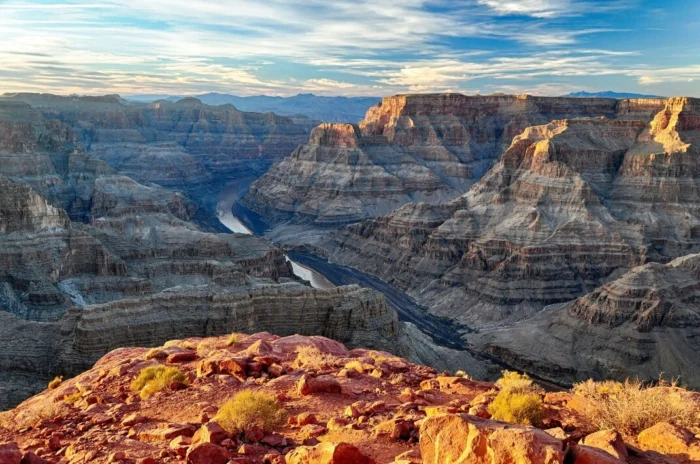
A vast geological site with multiple viewpoints along the South Rim. Most visitors stay near developed overlooks rather than hiking into the canyon.
· Cost: ~$35 per vehicle (7-day pass)
· Best time: Late spring mornings or early fall weekdays
· Good for: Families, couples, solo travelers
· Tip: Shuttle buses reduce parking pressure at popular viewpoints
Sedona
Sedona is known for red rock formations that sit very close to town, with trailheads and scenic pullouts reachable within short drives. The area supports both brief walks and longer hikes, making it easy to adjust plans based on weather or time available.
· Cost: Trail access is free; parking typically costs $5–$15
· Best time: Early mornings outside peak summer months
· Good for: Couples, solo travelers
· Tip: Park once and rely on local shuttles during high season to avoid repeated parking fees

Page
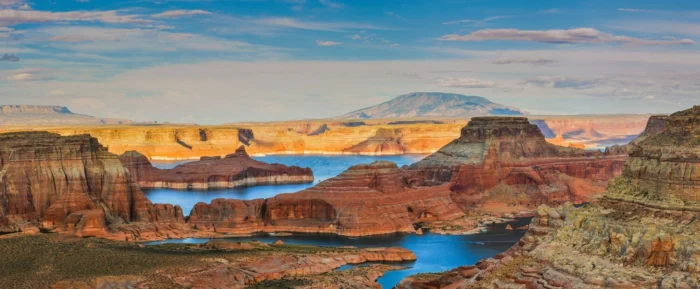
Page functions primarily as a service town for travelers visiting nearby slot canyons and Lake Powell rather than as a destination in itself. Its value lies in predictable access to guided canyon tours, boat activities, and road connections, making it a practical overnight stop when covering northern Arizona.
• Cost: Varies by tour ($70–$120)
• Best time: Late spring and early fall
• Good for: Families with older children, couples
• Tip: Reserve guided canyon tours well ahead
Monument Valley
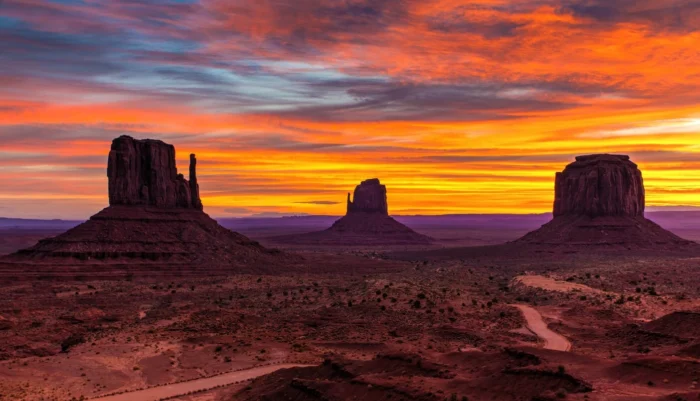
Monument Valley is a Navajo Nation park where access is structured around a combination of self-guided viewpoints and guided routes. The landscape is experienced primarily by vehicle or organized tour, with interpretation focused on geology and Navajo cultural context rather than independent hiking.
• Cost: ~$8 per person
• Best time: Morning for lighting and visibility
• Good for: Couples, solo travelers
• Tip: Guided tours provide access beyond the public road
Flagstaff
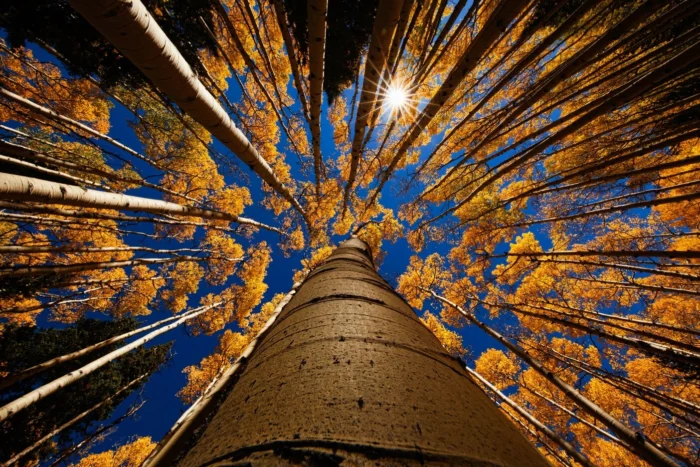
Flagstaff is a higher-elevation city that works mainly as a convenient base for northern Arizona, with nearby forests and volcanic areas accessible by short drives. It offers a cooler climate and a compact downtown without feeling resort-oriented.
• Cost: Most attractions under $25
• Best time: Late spring through early fall
• Good for: Families, solo travelers
• Tip: Temperatures are cooler than southern Arizona
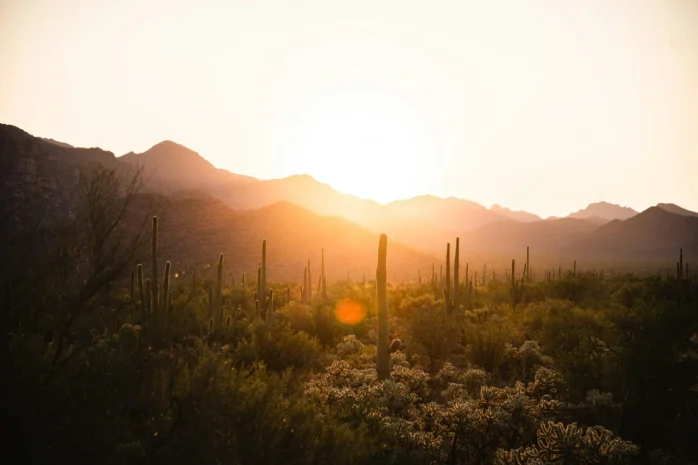
Saguaro National Park
Saguaro National Park is split into east and west districts on either side of Tucson, each offering a slightly different view of Sonoran Desert landscapes and vegetation. The park is designed for scenic drives and short walks, making it approachable even without extensive hiking.
· Cost: ~$25 per vehicle
· Best time: Morning hours outside summer
· Good for: Families, couples
· Tip: Short loop drives offer good exposure without long hikes
Underrated Places Worth Visiting
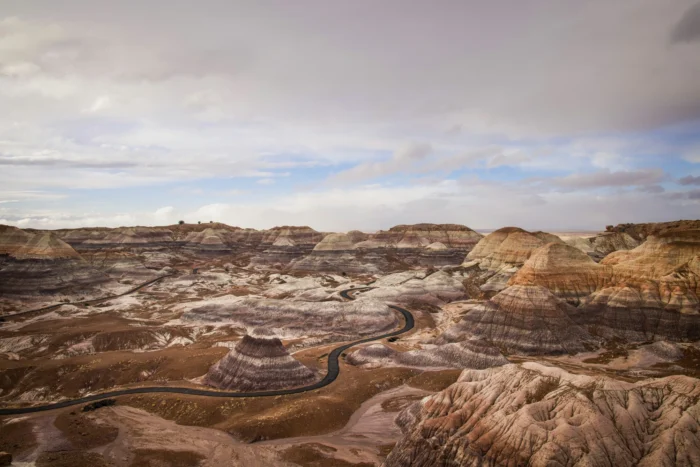
Petrified Forest National Park
A compact park with fossilized wood displays and painted desert scenery, suited to short walks and roadside stops rather than long hikes. It fits easily into a half-day visit when traveling across northern Arizona.
· Cost: ~$25 per vehicle
· Best time: Midday visits when light improves visibility
Bisbee
A walkable former mining town where preserved buildings, small museums, and residential streets sit close together. It feels functional and local rather than designed around visitors.
· Cost: Free to explore; museums ~$10
· Best time: Spring and fall weekdays
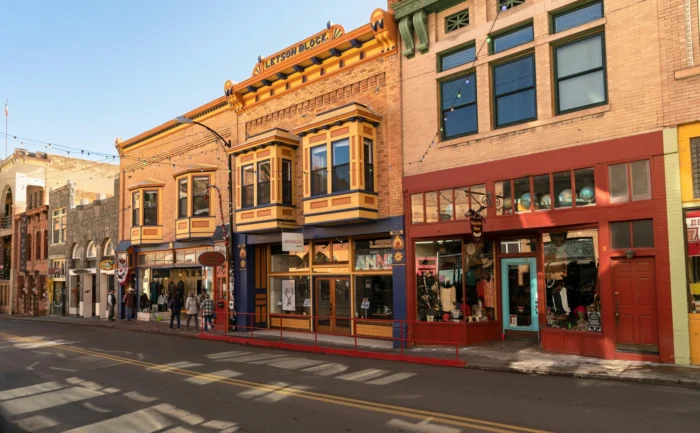
Jerome
A small hillside town with art spaces and historic structures clustered along a single main stretch. Most visits are short and focused, often combined with nearby stops.
· Cost: Free entry; attractions $5–$10
· Best time: Morning hours

How to Pick the Best Area to Stay in Arizona
Choosing where to stay depends on itinerary density rather than hotel category. Proximity to highways reduces daily driving time. Walkability matters mostly in towns like Sedona or Flagstaff. In desert cities, parking access is more important than central addresses.
Where to Stay (By Area & Travel Style)
Best Area for First-Time Visitors: Sedona / Flagstaff corridor
This corridor works well for first-time visitors because it reduces long daily drives while keeping multiple major sites within reach. Staying here allows flexible day planning without committing to a single attraction.
• Why: Central access to northern attractions
• Look for: Parking availability, highway access
Best Area for Families: Flagstaff outskirts
The outskirts of Flagstaff provide more space and a calmer setting while remaining close to services and road connections. This setup suits families who prefer predictable logistics over proximity to town centers.
• Why: Cooler climate, larger room inventory
• Look for: Family rooms, breakfast options
Best Area for Couples or Solo Travelers: Sedona town center
Staying near Sedona’s town center reduces the need for driving between meals and trail access. It works best for travelers planning shorter outings rather than full-day excursions.
• Why: Walkable dining, short drives
• Look for: Quiet locations away from main highways
Budget-Friendly Areas: Page or suburban Phoenix
These areas tend to offer more consistent pricing and availability, particularly outside peak seasons. They function best as overnight bases rather than destinations themselves.
• Why: Lower nightly rates
• Look for: Free parking, fuel access
Must-Eat Food Experiences in Arizona
· Sonoran-style hot dogs – Tucson street vendors (~$5–$7)
· Green chile stew – Regional diners (~$10–$14)
· Navajo fry bread – Cultural centers (~$6–$10)
· Carne seca – Southern Arizona restaurants (~$15–$20)
· Mesquite-grilled vegetables – Available in many menus
Vegetarian options are widely available, especially in Flagstaff and Sedona
How Many Days Are Enough
· 3–4 days: One region only (Phoenix–Sedona or Tucson area)
· 5–6 days: Northern Arizona loop including Grand Canyon
· 8–9 days: Full state highlights with overnight stop
Do You Need a Car to Travel Around Arizona?
Arizona travel is most practical with a rental car, especially outside major cities. Public transportation between cities and natural attractions is limited and does not reliably serve national parks or smaller towns. Travelers staying only within Phoenix or Tucson can manage without a car, but most first-time itineraries involve long driving distances. For this reason, car rental is best treated as a core part of trip planning rather than an optional add-on.
Detailed Day-by-Day Itinerary (6 Days)
Day 1 – Phoenix Arrival
Morning: Arrive at Phoenix Sky Harbor Airport, collect your rental car, and take time to adjust to driving conditions and signage.
Afternoon: Drive to Sedona (approximately 2 hours) using the main interstate route, with optional short stops for rest or fuel.
Evening: Settle into your accommodation, take a short walk nearby if time allows, and dine close by to limit extra driving.
Cost: ~$40–$60
Day 2 – Sedona
Morning: Start with short trail walks or viewpoint-based stops that are close to town and do not require long hikes.
Afternoon: Use scenic drives to cover multiple red rock areas while keeping distances manageable.
Evening: Dinner in the town center, keeping plans simple after a full day outdoors.
Cost: ~$30–$50
Day 3 – Sedona to Flagstaff
Morning: Visit selected viewpoints near the chapel area before leaving the area.
Afternoon: Drive to Flagstaff (about 1 hour) and spend time settling into the downtown area.
Evening: Have a relaxed meal at a restaurant close enough to reach on foot.
Cost: ~$35–$55
Day 4 – Grand Canyon
Morning: Leave Flagstaff early to reach the South Rim before peak visitation hours.
Afternoon: Move between rim viewpoints using park shuttles or short walks, focusing on a few sections rather than the entire rim.
Evening: Return to Flagstaff for dinner and rest.
Cost: ~$50–$70
Day 5 – Page
Morning: Drive to Page (around 2.5 hours), planning one or two brief roadside stops along the way.
Afternoon: Join a pre-booked slot canyon tour or guided activity scheduled earlier in the day.
Evening: Spend time at viewpoints near Lake Powell or in the surrounding area, then go out for dinner afterward.
Cost: ~$80–$120
Day 6 – Return
Morning: Drive back to Phoenix, allowing extra time for refueling and rental car return procedures.
Afternoon: Depart from Phoenix.
Cost: ~$30–$40
Booking Links & Useful Resources
Arizona for Different Travelers
Kids: Short trails, visitor centers, wildlife parks
Couples: Scenic drives, small towns, regional dining
Solo Travelers: Clear routes, structured tours, safe towns
Final Take
Arizona rewards deliberate planning rather than on-the-spot decision-making. Its large distances, changing elevations, and climate differences make a structured approach practical, especially for first-time visitors. At the same time, the state’s geographic and cultural variety allows travelers to experience contrast without constant relocation or logistical strain. With realistic time allocation and routing, Arizona supports families, couples, and solo travelers in a way that feels stable, manageable, and well-paced.
