
Virginia is located on the eastern edge of the United States, stretching from the Atlantic coastline to the Appalachian Mountains. It sits between the Northeast and the Southeast, both geographically and culturally, which shapes its identity in subtle but meaningful ways.
The state is commonly associated with early American history, presidential estates, and Civil War landmarks. What many visitors overlook is how varied Virginia feels across regions. Coastal cities, university towns, working farmland, forested mountain corridors, and suburban communities exist within manageable travel distances.
Virginia works especially well for families seeking educational experiences without rigidity, couples who enjoy scenery and food-driven travel, and solo travelers who prefer destinations that feel navigable and grounded rather than overwhelming.
This guide covers a practical Virginia travel itinerary, including Richmond, Shenandoah National Park, Luray Caverns, Williamsburg, and Virginia Beach.
What Virginia Feels Like
Virginia does not rely on a single defining impression to explain itself. Larger urban areas such as Northern Virginia and Richmond follow a steady weekday rhythm influenced by government offices, universities, and established neighborhoods. Outside these centers, daily life tends to follow geography, shaped by harvest schedules in agricultural regions, hiking seasons in the mountains, and fishing cycles along the coast. Major attractions are typically well-organized but not isolated from everyday life. It is common to move from a historic site to a residential street, a public park, or a local café within minutes. This proximity gives Virginia a lived-in quality that appeals to travelers who want structure without feeling managed.
How to Reach Virginia
By Air
Virginia is served by multiple airports. Washington Dulles International Airport and Ronald Reagan Washington National Airport handle most international and domestic traffic for Northern Virginia. Richmond International Airport serves central Virginia, while Norfolk International Airport connects the coastal region.
All major airports in Virginia have on-site car rental facilities for travelers continuing beyond city centers. Public transportation works well within certain metro areas but is limited for cross-region travel.
By Train
Amtrak services connect Virginia with New York City, Philadelphia, Washington, D.C., and other East Coast hubs. Key stations include Alexandria, Richmond, Charlottesville, and Norfolk. Trains work well for reaching Virginia’s cities, while travel beyond urban areas is easier with a car.
By Road
Interstates I-95, I-64, and I-81 link most major regions. Driving offers the greatest flexibility, particularly for visiting national parks, smaller towns, and attractions outside city centers. Roads are generally well maintained, and signage is clear.
Top Places to Visit in Virginia for First-Time Travelers
Colonial Williamsburg
A restored 18th-century town designed as a living history experience, Colonial Williamsburg focuses on daily life, governance, and craftsmanship of the colonial period rather than spectacle.
Cost: ~$50 per adult
Best time to visit: Spring and fall
Good for: Families, history-focused travelers
Practical tip: Staying nearby allows you to spread the visit across two days without fatigue.

Shenandoah National Park
Known for Skyline Drive and accessible trailheads, Shenandoah National Park offers wide mountain views and forested walking paths without requiring advanced hiking experience.
Cost: ~$30 per vehicle
Best time to visit: Spring and fall shoulder seasons
Good for: Couples, solo travelers, nature-focused families

Richmond
Virginia’s capital combines museums, riverfront trails, and a locally driven dining scene. It feels practical and lived-in rather than curated for tourism.
Cost: Many museums free; ~$15–25 for activities
Best time to visit: Year-round
Good for: Solo travelers, couples
Practical tip: Staying near the James River allows for walkable evenings and easy access to museums.

Charlottesville
Anchored by the University of Virginia, Charlottesville blends academic architecture with nearby vineyards and countryside. The city remains compact and easy to navigate.
Cost: ~$15–30 depending on activities
Best time to visit: Spring and fall
Good for: Couples, solo travelers
Virginia Beach
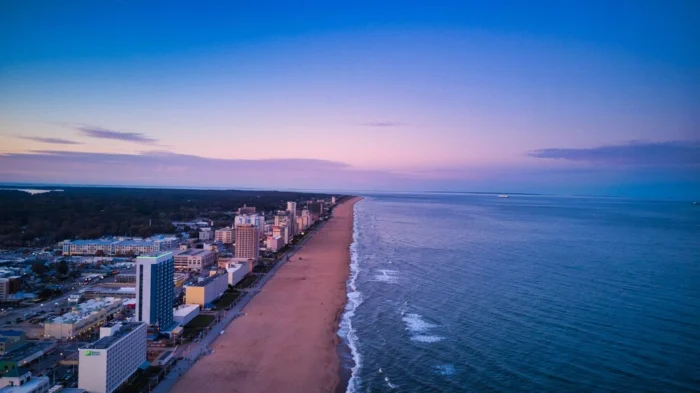
Virginia Beach combines a long public shoreline with quieter residential neighborhoods and nearby state parks beyond the main boardwalk area.
Cost: Free beach access; ~$10–25 for attractions
Best time to visit: Late summer and early fall
Good for: Families, couples
Luray Caverns
Luray Caverns, located in the Shenandoah Valley, covers a larger underground area than any other cavern system in the eastern United States. The walk-through experience focuses on scale, natural formations, and subtle lighting rather than physical difficulty, making it accessible to most visitors.
Cost: ~$32 per adult
Best time to visit: Year-round (weather-independent)
Good for: Families, couples, solo travelers
Practical tip: Combine this visit with Shenandoah National Park on the same day to balance indoor and outdoor time.

Busch Gardens Williamsburg
Busch Gardens Williamsburg blends a theme park structure with European-inspired settings, focusing on roller coasters, seasonal events, and live performances rather than cartoon branding.
Cost: ~$95–110 per adult (varies by season)
Best time to visit: Late spring or early fall weekdays
Good for: Families with older kids, couples
Practical tip: Arrive at opening and plan rides by zone to avoid unnecessary backtracking.

Underrated Places Worth Time
Staunton
Staunton has a compact, walkable downtown anchored by restored historic buildings, small theaters, independent bookstores, and locally run cafés. Its arts presence feels integrated into daily life rather than positioned as a tourist feature, making it an easy place to spend an unstructured afternoon.
Cost: Mostly free
Best time: Late spring

Chincoteague Island
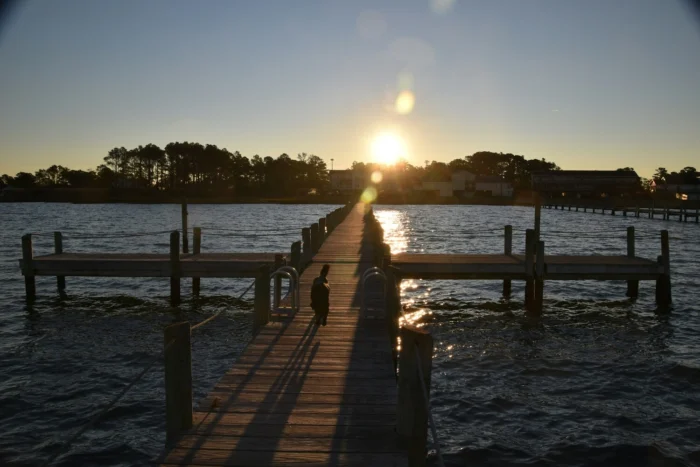
Chincoteague Island offers a quieter coastal experience centered around its wildlife refuge and undeveloped stretches of beach. The pace here is shaped more by nature than by commercial activity, which appeals to travelers looking for space and simplicity.
Cost: ~$10 park entry
Best time: Early summer
Natural Bridge
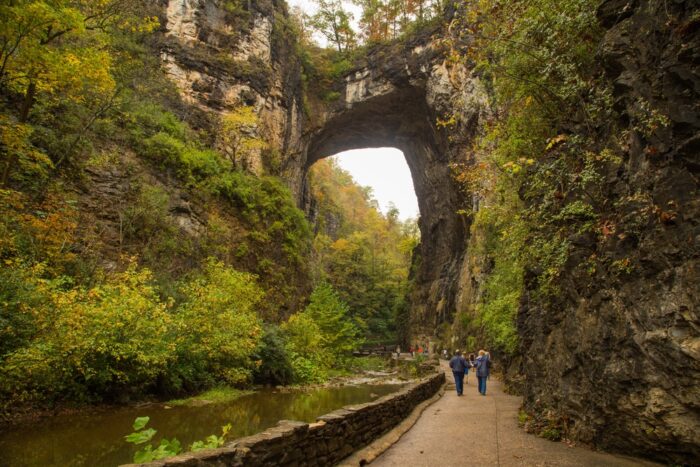
Natural Bridge is a limestone formation preserved within a small state park, accessed by a short, well-maintained path. The site can be explored comfortably without extensive walking, making it suitable for travelers with limited time or mobility concerns.
Cost: ~$10
Best time: Fall
Abingdon
Located in southwest Virginia, Abingdon combines a preserved historic core with access to regional trails and craft traditions. It works well as a brief stop or overnight base for exploring the surrounding countryside.
Cost: Free to explore
Best time: Late spring
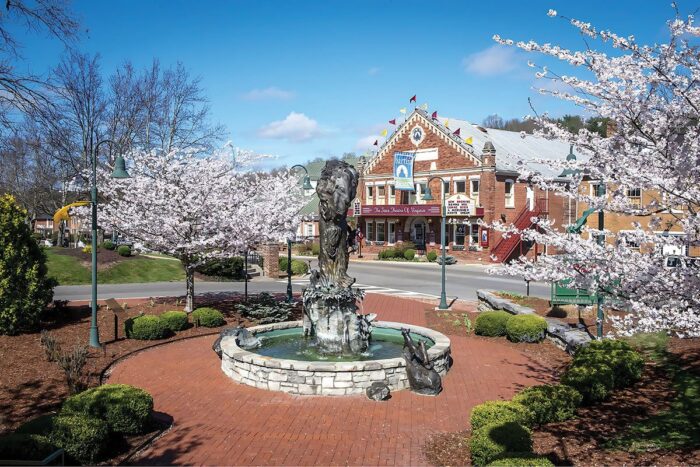
How to Pick the Best Area to Stay in Virginia
Virginia rewards regional planning. If your trip focuses on one metro area, staying near the center saves time. For multi-region travel, changing accommodations once or twice is more practical than daily relocation. Highway access often matters more than distance on a map.
Where to Stay (By Area & Travel Style)
Best Area for First-Time Visitors: Northern Virginia
Northern Virginia works well for first-time visitors because of its proximity to Washington, D.C. and its well-developed transit network. The area provides access to major museums, historic sites, and dining without extensive driving, making it a practical base for introductory trips.
Best for:
First-time visitors
Why it works:
Direct access to Washington, D.C., reliable public transportation, and a wide range of accommodation types
What to look for:
· Easy access to Metro stations
· Walkable dining and basic services nearby
· Parking availability if traveling with a car
Best Area for Families:
Williamsburg Area
The Williamsburg area is particularly suited to families because attractions are designed to be educational and manageable rather than overwhelming. Lodging options often include larger rooms and amenities that support longer stays.
Best for: Families
Why it works: Concentration of family-friendly attractions and accommodations designed for comfort and convenience
What to look for:
· Kitchen or kitchenette access
· On-site parking and open spaces
· Quieter surroundings in the evenings
Best Area for Couples / Solo Travelers: Charlottesville
Charlottesville appeals to couples and solo travelers due to its compact size and food-focused culture. The city encourages walking, with dining, cultural sites, and green spaces clustered close together.
Best for: Couples and solo travelers
Why it works: Centralized layout, strong local dining scene, and easy access to surrounding countryside
What to look for:
· Lodging within walking distance of downtown
· Smaller inns or boutique-style hotels
· Access to local restaurants and cafés
Budget-Friendly Areas:
Richmond Suburbs
Staying in the suburbs around Richmond can significantly reduce accommodation costs while still allowing access to the city’s museums, dining, and riverfront areas. These neighborhoods are best suited for travelers comfortable with short drives.
Best for: Budget-conscious travelers
Why it works: Lower nightly rates combined with reasonable access to central Richmond
What to look for:
· Flexible cancellation policies
· Consistent transport access, either by car or transit
· Basic amenities within a short distance
Must-Eat Food Experiences in Virginia
· Virginia ham biscuits – Williamsburg bakeries ($5–8)
· Blue crab dishes – Coastal restaurants in Virginia Beach ($25–35)
· Peanut soup – Traditional Richmond taverns ($8–10)
· Farm-driven seasonal plates – Charlottesville bistros ($20–30)
· Chesapeake Bay oysters – Seasonal menus ($30+)
· Apple-based desserts – Shenandoah Valley cafés ($6–9)
Vegetarian and plant-forward options are widely available, particularly in college towns and cities.
How Many Days Are Enough for a Virginia Trip?
3–4 days: One city plus a nearby historic or natural site
5–6 days: Two regions, such as Richmond and Shenandoah
8–9 days: Coastal areas, mountains, and central Virginia combined
6-Day Virginia Road Trip Itinerary (Richmond to Virginia Beach)
Day 1: Arrival in Richmond
Morning
Arrive in Richmond by air or train and transfer to your accommodation. After check-in or luggage drop, take time to orient yourself around the surrounding neighborhood.
Afternoon
Spend the afternoon at the Virginia Museum of Fine Arts, where the layout supports a flexible, self-paced visit. The galleries and outdoor sculpture garden provide an easy introduction to the city.
Evening
Head to Carytown for dinner. The area offers a range of independent restaurants and cafés, making it suitable for different dietary preferences.
Approximate per-day cost: $40–60 (excluding stay and transport)
Day 2: Richmond to Charlottesville
Morning
Depart Richmond by car for Charlottesville. The drive takes approximately 1.5 hours and passes through small towns and rural stretches.
Afternoon
Spend time walking the University of Virginia grounds, focusing on the Lawn and surrounding academic buildings. Optional museum visits can be added without extending the schedule.
Evening
Dine in downtown Charlottesville, where restaurants are concentrated within a compact, walkable area.
Approximate per-day cost: $50–70
Day 3: Shenandoah National Park and Luray Caverns
Morning
Leave Charlottesville for Shenandoah National Park. Enter via one of the southern access points and drive a section of Skyline Drive, stopping at overlooks as time allows.
Afternoon
Proceed to Luray Caverns to explore its underground spaces through an organized visitor route. The indoor nature of the visit provides contrast to the morning’s outdoor exploration.
Evening
Check in to lodging near the park or in the Luray area and have a simple dinner nearby.
Approximate per-day cost: $50–70
Day 4: Williamsburg
Morning
Depart the Shenandoah region and drive east toward Williamsburg. This is a longer travel day, so an early start is recommended.
Afternoon
Begin exploring Colonial Williamsburg, focusing on outdoor areas and a limited number of interiors to avoid fatigue.
Evening
Have dinner within or near the historic district, then return to your accommodation for the night.
Approximate per-day cost: $60–80
Day 5: Busch Gardens Williamsburg
Morning
Arrive at Busch Gardens Williamsburg when gates open to make the most of the day. Prioritize attractions by area to minimize walking back and forth.
Afternoon
Continue with rides, shows, or seasonal events depending on interest and energy levels. Breaks can be taken at shaded or indoor venues.
Evening
Leave the park before closing and choose a relaxed dinner nearby, avoiding peak dining hours.
Approximate per-day cost: $90–110
Day 6: Williamsburg to Virginia Beach
Morning
Drive from Williamsburg to Virginia Beach and check in or store luggage at your accommodation.
Afternoon
Spend time on the beach or along the waterfront, adjusting activities based on weather and comfort.
Evening
End the evening with a coastal seafood meal, followed by time along the shoreline or boardwalk.
Approximate per-day cost: $50–70
Booking Links & Useful Resources
· Virginia Tourism (official state guide):
Click to start with you Regional planning, seasonal information, and visitor updates.
· Amtrak:
Click to check the train routes connecting Virginia cities with the Northeast and Washington, D.C.
· Shenandoah National Park:
Check out Park access details, entrance fees, and current conditions.
· Colonial Williamsburg:
Find the Ticket options, operating hours, and daily programming.
· Busch Gardens Williamsburg:
See the Park hours, ride availability, and advance ticket planning.
Virginia for Different Travelers
Kids: Interactive museums, caverns, beaches, and theme parks
Couples: Scenic drives, wineries, walkable towns
Solo travelers: Safe cities, museums, and manageable transit
Final Take
Virginia offers range without friction. History, nature, food, and entertainment coexist without competing for attention. For first-time visitors, the state provides clarity and flexibility, allowing travel plans to feel intentional rather than compressed. It is a destination that rewards thoughtful pacing and regional focus, regardless of travel style.
