
Wyoming is located in the Mountain West of the United States, bordered by Montana, Colorado, Utah, Idaho, South Dakota, and Nebraska. It is the least populated state in the country, defined more by land than by cities.
The state is best known for expansive landscapes and two globally recognized national parks. What often goes unnoticed is how much Wyoming offers beyond these highlights. Small towns shaped by local routines, long stretches of open road, and places where travel is guided by geography rather than schedules.
Wyoming aligns with families interested in nature-based learning, couples seeking scenery without constant activity, and solo travelers who prefer independence and clear structure. It is a destination that rewards preparation and attention rather than volume of attractions.
What Wyoming Feels Like
Wyoming’s everyday rhythm is shaped by distance, weather, and land use. Towns are spread far apart, and daily routines tend to follow daylight and seasonal patterns rather than fixed schedules. Mornings start early, especially in smaller communities, while evenings quiet down quickly outside peak travel months.
Well-known attractions feel organized and active, particularly during summer. Step beyond them and the atmosphere changes, roads stretch through open land, businesses close earlier, and local life continues with little emphasis on visitors. This contrast defines much of Wyoming’s character: prominent natural landmarks paired with places where tourism remains secondary to daily work and community life.
How to Reach Wyoming
By Air
Wyoming is served by several regional airports. Jackson Hole Airport is the most commonly used by visitors due to seasonal direct flights from major US cities. It is located close to Jackson and provides convenient access to Grand Teton National Park. Other useful airports include Cody, Casper, and Sheridan, depending on the travel route.
By Train
Wyoming does not have passenger rail service. The nearest major train stations are in neighboring states, after which travelers typically continue by car.
By Road
Driving is the most practical way to explore Wyoming. Interstate highways connect major regions, and car rentals are readily available. Road travel allows access to national parks, smaller towns, and scenic routes that are otherwise difficult to reach.
Top Places to Visit in Wyoming
Yellowstone National Park
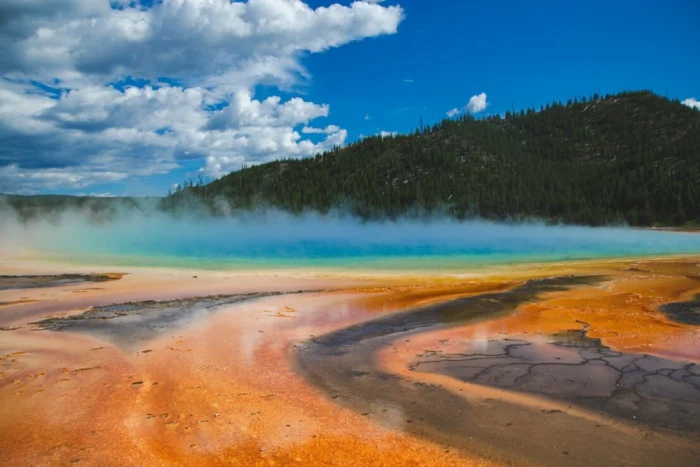
The world’s first national park is known for geothermal features, wildlife, and varied terrain ranging from forests to open valleys. Most visitors focus on geyser basins, but longer stays allow time for quieter trails and wildlife observation.
· Cost: ~$35 per vehicle (7-day pass)
· Best time to visit: Peak accessibility is between late May and September
· Good for: Families, couples, solo travelers
· Practical tip: Stay near the park’s east or south entrances to reduce daily driving time.
Grand Teton National Park
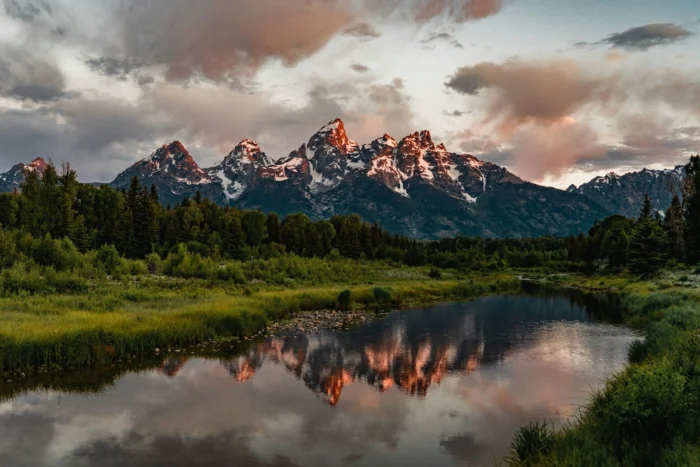
Sharp mountain peaks rise directly from valley floors, creating a compact and visually striking park. Activities range from short lakeside walks to multi-day hikes.
· Cost: ~$35 per vehicle
· Best time to visit: June to September
· Good for: Couples, photographers, active travelers
· Practical tip: Sunrise and early morning offer clearer views and fewer visitors.
Jackson
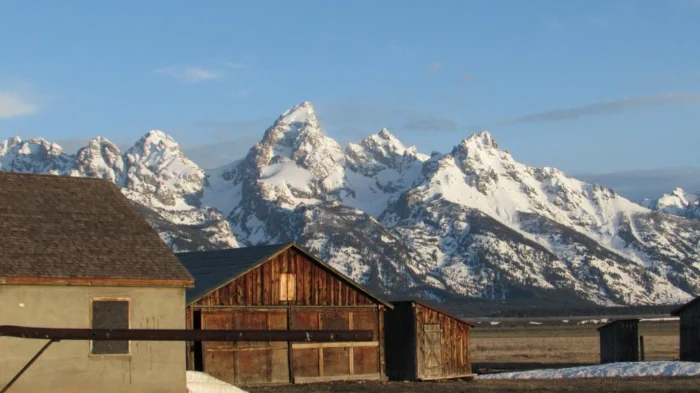
Jackson serves as a base for visiting nearby parks and offers dining, galleries, and access to outdoor activities. Its town square blends tourism with local use.
· Cost: Free to explore; activity-dependent
· Best time to visit: June to September
· Good for: Families, first-time visitors
· Practical tip: Book accommodations well in advance during summer.
Devils Tower
This geological formation rises abruptly from surrounding plains and holds cultural significance for Indigenous tribes. Walking paths circle the base.
· Cost: ~$25 per vehicle
· Best time to visit: May to October
· Good for: Families, solo travelers
· Practical tip: Morning visits offer better lighting and fewer climbers.
Cody
Founded by Buffalo Bill Cody, the town carries a clear Western historical identity through its museums, street layout, and local institutions, while continuing to operate as a reliable and well-organized gateway for travelers entering Yellowstone through its eastern entrance.
· Cost: Free to explore; museum fees vary
· Best time to visit: May to September
· Good for: History-focused travelers
· Practical tip: Allocate time for museums rather than treating Cody only as a stopover.
Wind River Range
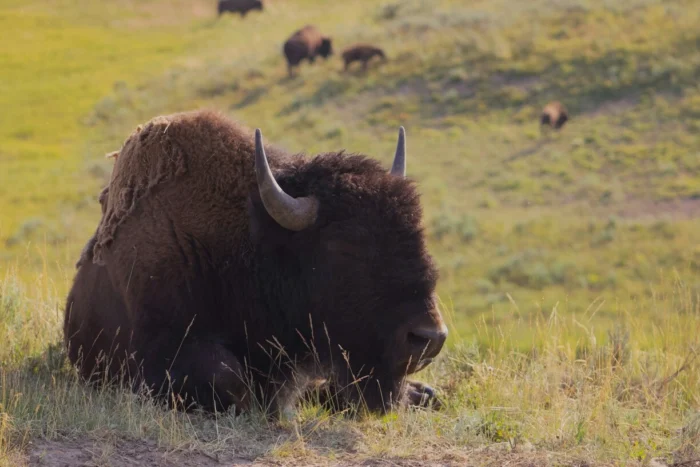
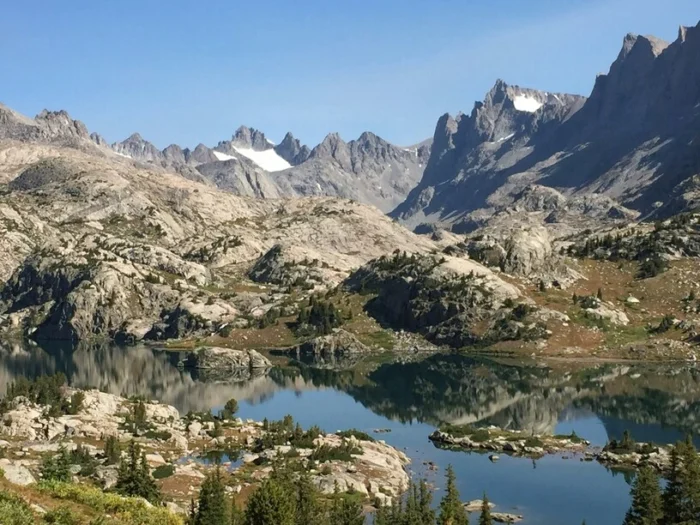
A less-developed alternative to national parks, this mountain range features alpine lakes, extended trail systems, and dispersed camping areas that appeal to travelers seeking quieter, self-directed outdoor experiences.
· Cost: Free; permit fees may apply
· Best time to visit: July to September
· Good for: Experienced hikers, solo travelers
· Practical tip: Weather changes quickly; preparation matters.
Underrated Places Worth Time
Thermopolis
Home to one of the largest mineral hot spring systems in the world, Thermopolis combines free public soaking areas with a small, walkable downtown. The town works well as a restorative stop on longer drives through central Wyoming.
· Cost: Free at public baths
· Best time: Spring and fall
Sinks Canyon State Park
Known for a river that disappears underground and reemerges downstream, the park offers short hiking trails, picnic areas, and easy access from nearby towns. It is well suited for half-day visits.
· Cost: ~$7 per vehicle
· Best time: Summer
Medicine Bow National Forest
This expansive forest includes mountain lakes, gravel roads, and dispersed campgrounds, drawing travelers who prefer quieter settings over structured park experiences. Facilities are basic but widespread.
· Cost: Free
· Best time: June to September
Ten Sleep
A small town with an established climbing community, Ten Sleep also serves as a low-key stop for travelers crossing northern Wyoming. Its setting and limited development contribute to its appeal.
· Cost: Free to explore
· Best time: Summer
How to Pick the Best Area to Stay in Wyoming
Choosing where to stay depends on your route rather than a single destination. Travelers focusing on national parks benefit from lodging near entrances, while those exploring multiple regions should consider towns with road access in several directions. Seasonal availability and weather play a large role, so flexibility helps.
Best Area for First-Time Visitors: Jackson Area
Best for: Travelers visiting Wyoming’s national parks for the first time
Why it works: Travelers new to Wyoming often choose Jackson because the area allows direct access to both Grand Teton National Park and the southern entrance of Yellowstone, making it a practical base for structured sightseeing and short daily drives.
What to look for:
· On-site or nearby parking
· Early breakfast availability for early park entry
· Shuttle or transport services during peak seasons
· Proximity to town services and grocery stores
Best Area for Families: Cody
Best for: Families seeking educational experiences and manageable daily travel distances
Why it works: Cody combines historical museums, a walkable downtown, and access to Yellowstone’s eastern entrance, allowing for a balance between learning-focused activities and outdoor exploration.
What to look for:
· Family-size rooms or connected accommodations
· Walking access to dining and museums
· Easy parking and straightforward road access
· Quiet surroundings in the evenings
Best Area for Couples / Solo Travelers: Lander
Best for: Independent travelers and couples prioritizing outdoor access over major attractions
Why it works: Lander supports proximity to the Wind River Range and less-developed trail systems, making it suitable for travelers who prefer quieter landscapes and self-directed exploration.
What to look for:
· Smaller, locally run lodging
· Access to trailheads and day hikes
· Nearby cafes and basic services
· Low-density surroundings
Budget-Friendly Areas: Casper, Rock Springs
Best for: Road trippers and travelers prioritizing affordability and logistics
Why it works: These larger towns offer standard hotel infrastructure, fuel stations, and road connectivity, making them reliable stops during long-distance travel across the state.
What to look for:
· Highway access
· Secure parking
· Nearby food outlets
· Fuel stations and basic services within walking distance
Must-Eat Food Experiences in Wyoming
· Bison burgers (Jackson, Cody) – ~$15–$22
· Elk chili (seasonal menus) – ~$12–$18
· Trout dishes near rivers – ~$18–$28
· Steakhouse cuts in ranching towns – ~$25–$45
· Local bakeries and cafes – ~$5–$12
Vegetarian options are limited but improving in larger towns.
Food experiences in Wyoming tend to be straightforward and location-driven, often tied to local sourcing rather than presentation.
How Many Days Are Ideal
· 3–4 days: One park and a nearby town
· 5–6 days: Both major parks plus one additional region
· 8–9 days: Parks, smaller towns, and forest or mountain areas
Itinerary (5 days)
Day 1: Arrival and Orientation in Jackson
Morning
Arrive at Jackson Hole Airport and pick up your rental car. Check fuel levels and confirm park passes if visiting multiple national parks.
Afternoon
Drive into Jackson and walk around the town square and nearby streets. Visit a local museum or gallery, and stop at a grocery or supply store to prepare for the next few days.
Evening
Have dinner in town and plan an early night to prepare for next-day park entry.
Approximate per-day cost (excluding stay & flights): $60–$90
Day 2: Grand Teton National Park
Morning
Leave Jackson early and enter Grand Teton National Park. Begin with roadside viewpoints, then choose one short lakeside trail based on weather and comfort.
Afternoon
Spend midday near a lake or picnic area. Carry food or plan for limited in-park dining options.
Evening
Return toward Jackson or remain in the park for sunset viewpoints. Drive cautiously after dusk due to wildlife activity.
Approximate per-day cost: $40–$70
Day 3: Yellowstone National Park (South Entrance)
Morning
Depart early and enter Yellowstone National Park through the south entrance. Focus on geyser basins and boardwalk areas rather than covering multiple regions.
Afternoon
Shift to wildlife-viewing areas and scenic drives. Plan fuel and rest stops carefully due to long internal distances.
Evening
Stay near the park boundary to limit evening driving.
Approximate per-day cost: $50–$80
Day 4: Yellowstone to Cody
Morning
Continue with short scenic stops inside Yellowstone, then begin exiting toward the eastern side by late morning.
Afternoon
Drive to Cody. Choose one museum or historical site rather than trying to cover several in one visit.
Evening
Have dinner in town and review the next day’s driving route.
Approximate per-day cost: $60–$90
Day 5: Toward Central Wyoming
Morning
Leave Cody after breakfast and begin the longer drive toward central Wyoming. Fuel up and carry water and snacks.
Afternoon
Stop in Thermopolis for a short soak at the public hot springs and a brief walk through town.
Evening
Arrive at your overnight stop and rest.
Approximate per-day cost: $40–$70
Booking Links & Useful Resources
National park passes:
· Yellowstone national park –
Click to check the Entry fee
Click to check out Lodges
· Grand Teton national park –
Checkout the details hee
Checkout the Getaway details
Wyoming for Different Travelers
Kids: Wildlife, short trails, museums
Couples: Scenic drives, quiet towns
Solo travelers: Structured routes, outdoor access
Final Take
Wyoming works best for travelers who value space, planning, and landscapes that define the experience rather than decorate it. Whether visiting with family, traveling alone, or sharing the trip with a partner, the state offers clarity, clear routes, clear views, and a clear sense of place. For those willing to engage with its scale and rhythm, Wyoming delivers a travel experience that feels complete without needing to be crowded or curated.
Wyoming is not a destination built around convenience; its appeal depends on planning, patience, and comfort with distance.
