
Planning a trip to Japan? Discover why Kyoto should be at the top of your list this autumn with these five once-in-a-lifetime cultural experiences.
Why Japan, Why Now?
Japan is a land where tradition and modernity live side by side—where neon-lit cities hum with energy while centuries-old shrines whisper ancient stories. It’s no surprise that Japan consistently ranks among the top travel destinations in the world. But beyond Tokyo’s buzz and Osaka’s culinary delights lies Kyoto, the timeless soul of the nation.
Kyoto was originally Japan’s royal capital, and it remains the country’s cultural and spiritual centre. For travelers seeking deep heritage, tranquil beauty, and unforgettable seasonal experiences, Kyoto in autumn is simply unbeatable.
Why Visit Kyoto in Autumn?
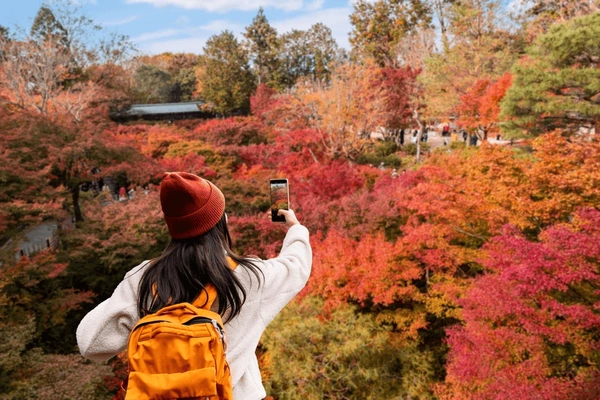
Visiting Kyoto in autumn (mid-November to early December) is like stepping into a living watercolor painting. The temperature is cool but pleasant, the foliage is in full fiery bloom, and temple gardens and mountain trails are blanketed in brilliant reds, oranges, and yellows.
Compared to spring’s cherry blossom crowds, autumn in Kyoto is quieter, more meditative, and allows for meaningful engagement with cultural experiences. It’s the perfect season for:
- Long scenic walks
- Spiritual retreats
- Cultural immersion activities
- Serene photo ops without the tourist rush
Whether you’re a first-time visitor or returning for a deeper dive, autumn is the best time to truly feel the essence of Kyoto.
Top Things to Do in Kyoto
- Explore historic districts like Gion and Higashiyama
- Visit UNESCO World Heritage temples and shrines
- Try a traditional tea ceremony
- Stay in a ryokan (traditional inn)
- Rent a kimono and stroll through old streets
- Eat Kyoto-style kaiseki meals and seasonal wagashi (sweets)
But to go beyond the typical checklist, we’ve curated five immersive experiences that will leave a lasting imprint on your travel memories.
1. Kyoto Autumn Foliage Walking Tour
SEO Keywords: Kyoto fall colors, Japan autumn walk, autumn foliage in Kyoto
Budget: $80–$120 (guided tour)
Best Time to Visit: Mid-November to early December
Kyoto is home to some of the most stunning autumn scenery in all of Japan. Join a walking tour through temple gardens like Eikando, Tofukuji, and along the Philosopher’s Path to experience Kyoto’s fall colors in their full glory.
What Makes It Special:
- Smaller crowds than cherry blossom season
- Mild weather ideal for exploring
- Temple landscapes perfectly designed to frame fall colors
Affiliate Link CTA: CLICK HERE TO JOIN A FALL FOLIAGE WALKING TOUR IN KYOTO
2. Fushimi Inari Shrine Walk – Through 1,000 Gates
Budget: Free; $10–$50 with guide
Ideal Time to Visit: Sunrise or late afternoon
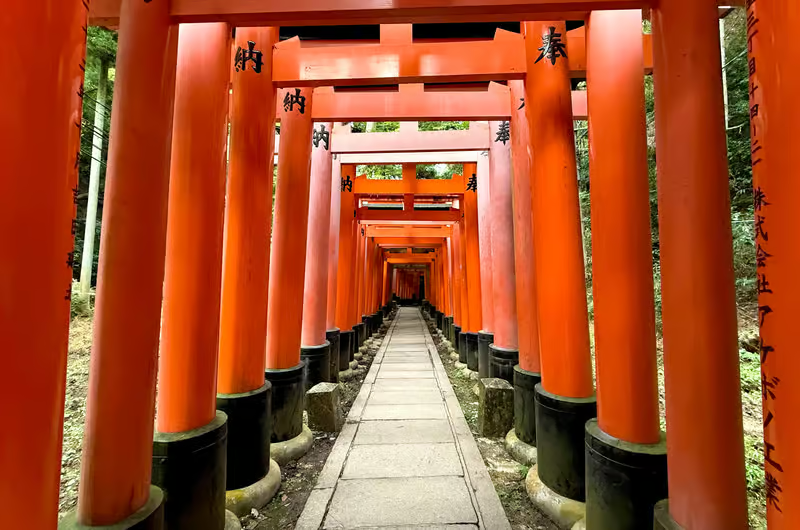
Fushimi Inari is one of Kyoto’s most iconic sights. Walk through thousands of red torii gates that wind their way up Mt. Inari and enjoy panoramic views of the city.
What Makes It Special:
- These gates remains open all time, hence making it a place for early risers and also night owls
- Offers solitude and spiritual depth
- Culturally symbolic for prosperity and blessings
3. Arashiyama Bamboo Grove Tour
Budget: Free; $25–$75 for guided tour
Best Time to Visit: Early morning for minimal crowds
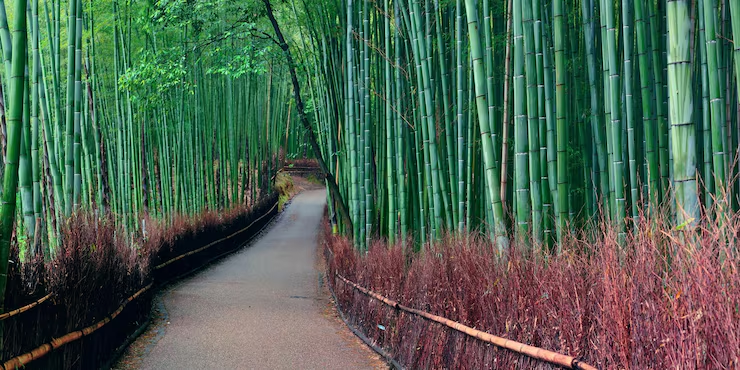
Step into a world of calm and greenery in Arashiyama Bamboo Grove, one of the most photographed places in Japan. Add nearby attractions like Tenryu-ji Temple and Hozugawa River for a well-rounded morning adventure.
What Makes It Special:
- Feels like nature’s cathedral
- Serene and mystical atmosphere
- Great pairing with river cruises or monkey park visit
4. Kyoto Kimono Rental & Experience
Budget: $30–$80 (rental + hairstyling)
Best Time to Visit: Autumn for beautiful photo backdrops
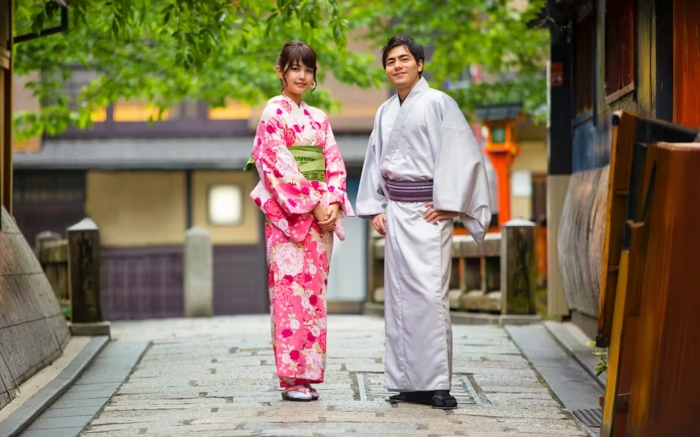
Walking through Kyoto’s old streets in a kimono brings the city’s elegance and charm to life. Whether you’re wandering around Gion, Kiyomizudera, or temple gardens, dressing traditionally adds a whole new dimension to your trip.
What Makes It Special:
- Deep cultural connection through attire
- Photo opportunities with fall leaves and old streets
- Enhances experiences like tea ceremonies and shrine visits
5. Kyoto Tea Ceremony Tour
Budget: $25–$60
Best Time to Visit: Year-round; many follow seasonal themes
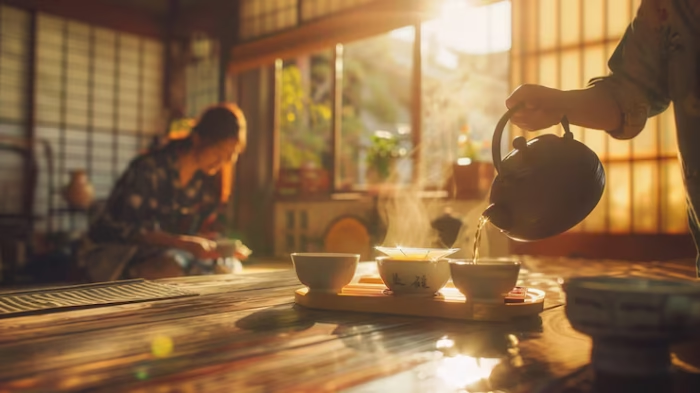
Participate in a traditional Japanese tea ceremony hosted by an expert tea master.. Learn about the etiquette, philosophy, and preparation of matcha that defines this sacred ritual.
What Makes It Special:
- A mindful moment during your travels
- Insight into Japanese hospitality and culture
- Usually includes wagashi (seasonal sweets)
Plan Your Trip to Kyoto in Autumn: Everything You Need to Know
Planning a trip to Kyoto during autumn doesn’t have to feel overwhelming. With the right timing, location, and a little preparation, your journey can be smooth, memorable, and deeply rewarding.
When Is the Best Time to Visit Kyoto for Autumn Foliage?
Best Months: Mid-November to Early December
This is when Kyoto’s maple trees (momiji) reach their peak colors. Unlike cherry blossoms, autumn foliage lasts longer, giving you more flexibility with travel dates.
Why this time is ideal:
- Peak fall colors across temples, parks, and walking paths
- Cool, pleasant weather (10–18°C), perfect for long walks
- Less rushed compared to spring cherry blossom season
- Softer light for photography and scenic views
Pro tip: Late November is ideal if you want both vibrant foliage and temple night illuminations.
Perfect location to Stay in Kyoto and Why
Choosing the right area to stay in Kyoto can completely shape your experience—especially during autumn when walking and early mornings matter most.
1. Gion
Why stay here:
Gion is Kyoto’s most recognisable area, famed for its ancient alleys, teahouses, and geisha culture. Staying here means you’re close to temples, evening strolls, and atmospheric night scenes.
Ideal for: Couples, first-time visitors, culture lovers
Stay options:
Luxury: The Ritz-Carlton Kyoto, Hotel The Celestine Gion
Mid-range: Hotel Alza Kyoto, Gion Elite Terrace
Budget: Guesthouse Kyoto Gion, Ryokan Shimizu
2. Higashiyama – Best for Temple Walks & Autumn Foliage
Why stay here:
Higashiyama puts you right next to Kyoto’s most famous walking routes, including Kiyomizu-dera, Philosopher’s Path, and Nanzen-ji. It’s perfect if your itinerary revolves around foliage walks.
Ideal for: Solo travelers, photographers, slow travelers
Stay options:
Luxury: Hyatt Regency Kyoto
Mid-range: Stay SAKURA Kyoto Higashiyama
Budget: Santiago Guesthouse Kyoto, Len Kyoto Kawaramachi
3. Arashiyama – Best for Nature Lovers & Families
Why stay here:
Arashiyama offers a peaceful, scenic setting with bamboo groves, rivers, and mountain views. Staying here lets you experience early mornings without crowds.
Ideal for: Families, nature lovers, relaxed travelers
Stay options:
Luxury: Suiran, a Luxury Collection Hotel
Mid-range: Hotel Binario Saga Arashiyama
Budget: Guesthouse Atagoya, Bamboo Forest Hostel
Quick Stay Recommendations by Traveler Type
Solo travelers: Higashiyama, Kyoto Station area
Couples: Gion, Central Kyoto
Families: Arashiyama, spacious ryokans
Budget travelers: Kyoto Station, Kawaramachi
Luxury seekers: Gion riverfront, Arashiyama resorts
How to Get to Kyoto (Simple & Stress-Free)
Kyoto is extremely well-connected and easy to reach.
From Tokyo:
Shinkansen (Bullet Train) from Tokyo Station
Approx. 2 hours 15 minutes
Covered by JR Pass
From Osaka:
Shinkansen or local JR trains
15–30 minutes depending on train
Kyoto Station is a major hub with buses, taxis, and subway lines connecting you to all major sightseeing areas.
Tip:Use buses for short distances, but trains are faster during peak foliage season.
Explore Beyond Central Kyoto: Quiet Districts Worth the Detour
While central Kyoto is filled with iconic temples and historic streets, some of the city’s most memorable experiences lie just beyond the usual tourist routes. These lesser-known districts offer space to breathe, deeper cultural encounters, and a stronger connection to nature—especially during autumn.
If you’re looking to escape the crowds and experience Kyoto at a slower, more authentic pace, these areas are absolutely worth adding to your itinerary.
Ohara – A Peaceful Rural Escape into Old Kyoto
Why go to Ohara?
Ohara feels like stepping into a different era. Located in the northern hills of Kyoto, this quiet rural village is known for its moss gardens, misty mountains, and a pace of life that hasn’t changed in centuries.
The highlight here is Sanzen-in Temple, famous for its lush moss-covered grounds and gentle autumn colors that feel soft and calming rather than dramatic. Unlike central temples, Ohara’s beauty is subtle, intimate, and deeply peaceful.
What makes it different:
- Fewer tour buses and large crowds
- A true countryside atmosphere within Kyoto
- Ideal for slow walks, quiet reflection, and nature lovers
Perfect for: Solo travelers, couples, photographers, and anyone craving calm after busy sightseeing days.
Takao – Kyoto’s Hidden Autumn Foliage Paradise
Why go to Takao?
Takao is one of Kyoto’s best-kept secrets for autumn foliage. Nestled in a mountain valley northwest of the city, this area is home to ancient temples like Jingo-ji, surrounded by dense forests that explode with color in late November.
Unlike central Kyoto, where foliage is framed by architecture, Takao offers a fully immersive nature experience—with forest paths, riverside walks, and panoramic mountain views.
What makes it different:
- Among the most vibrant autumn colors in Kyoto
- Natural, mountainous landscapes instead of city temples
- Cooler temperatures and fresh mountain air
Perfect for: Nature lovers, hikers, repeat visitors to Kyoto, and travelers who want dramatic fall scenery without crowds.
Kameoka & Hozugawa River – Scenic Journeys Away from the City
Why go to Kameoka & Hozugawa River?
If your idea of travel includes slow, scenic movement rather than rushing between spots, this area is for you. Kameoka is best known as the starting point for the Hozugawa River Boat Ride, a traditional wooden boat journey through a scenic gorge that feels timeless.
You can also reach Kameoka via the Sagano Romantic Train, one of the most beautiful train rides in Japan during autumn. It’s not about a single destination—it’s about the journey itself.
What makes it different:
- A rare chance to experience Kyoto from the water
- Scenic travel experience rather than temple-hopping
- Ideal break from walking-heavy itineraries
Perfect for: Families, couples, slow travelers, and those wanting a relaxing, memorable experience without physical exertion.
Why Choose These Less-Crowded Areas?
These districts offer something central Kyoto often can’t during peak season—space, silence, and authenticity. They allow you to experience Kyoto as it was meant to be experienced: slowly, thoughtfully, and in harmony with nature.
If you’re visiting Kyoto in autumn and want to go beyond the postcard spots, Ohara, Takao, and Kameoka will show you a quieter, more soulful side of the city—one that many travelers miss.
What to Pack for Kyoto in Autumn
Autumn in Kyoto is comfortable but can change throughout the day. Packing smart makes all the difference.
Essentials to Bring:
Camera or smartphone (you’ll want it everywhere)
Light layers (cool mornings, warmer afternoons)
Comfortable walking shoes (stone paths & long walks)
Small day backpack
Compact umbrella (occasional light rain)
Nice-to-Have Extras:
Journal for quiet temple moments
Power bank for long days out
Scarf for chilly evenings
And most importantly—bring time, patience, and an open heart. Kyoto is best experienced slowly.
Final Thoughts: Why Kyoto is a Must-Visit in Autumn
Kyoto is not just another destination—it’s a living museum, a spiritual retreat, and a seasonal spectacle. Autumn magnifies its beauty, enhances its stillness, and enriches its cultural depth.
Whether you’re strolling under fiery maple leaves, sipping matcha in a tatami room, or walking through gates of red on a quiet hillside trail, you’re not just visiting Kyoto—you’re becoming a part of it.
