
Miami is a city that rarely stays still. Its energy shifts with the tide, the light, and the people who pass through it. One moment feels coastal and unhurried, the next sharp and electric, shaped by music spilling from a passing car or a late-night café that refuses to close early. What makes Miami distinctive isn’t just its beaches or skyline, but the way cultures overlap without trying to impress each other.
For first-time visitors, Miami offers clarity: sunshine, water, color, and movement are always close at hand. For repeat travelers, the city rewards slowing down. The same streets feel different when you stop chasing highlights and start noticing details: the architecture tucked between palm trees, the neighborhoods changing tone block by block, the quiet stretches of sand away from crowds.
This guide is designed to help you plan a Miami trip that feels complete without becoming overpacked, balancing structure with space to experience the city as it naturally unfolds.
How to Reach Miami
By Air
Miami International Airport (MIA) is the primary gateway, well-connected to domestic and international destinations. It sits about 13 km from Downtown Miami. From the airport, travelers can reach the city via Metrorail (Orange Line), taxis, rideshares, or rental cars. Fort Lauderdale–Hollywood International Airport (FLL) is another option, roughly 45 minutes north, often used for budget flights.
By Train
Amtrak connects Miami to major cities along the East Coast, including Orlando, Tampa, and New York (via long-distance routes). Brightline, a high-speed rail service, links Miami to Fort Lauderdale, West Palm Beach, and Orlando, making regional travel efficient and comfortable.
By Road
Miami is accessible via Interstate 95 and Florida’s Turnpike. Long-distance bus services such as Greyhound and Megabus operate regular routes from nearby cities. Driving offers flexibility but parking costs should be factored into your budget, especially in beach areas.
Key Places and Experiences Across Miami
South Beach & Lummus Park
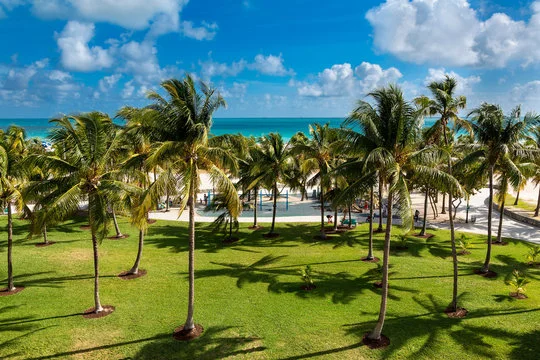
South Beach balances spectacle with routine. Beyond the crowds, there’s a steady rhythm to the area: locals jogging past lifeguard towers, early swimmers easing into the water, and long stretches of sand that feel almost private in the quieter hours. Lummus Park adds breathing room between the ocean and Ocean Drive, making it easy to slow down and observe how daily life continues alongside the tourism.
Why visit: It captures Miami’s public-facing personality without requiring deep exploration.
Time needed: 2–3 hours
Cost: Free (beach access)
Art Deco Historic District
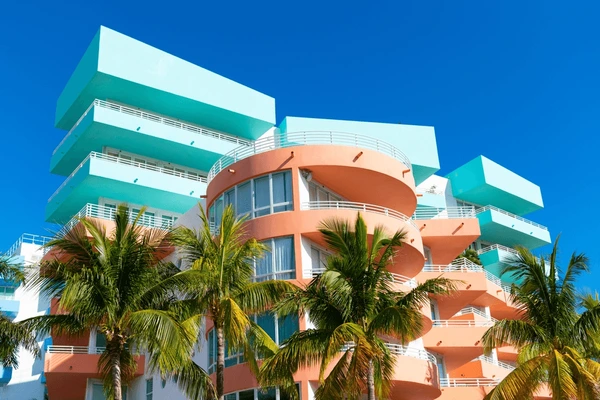
This compact area reveals Miami’s architectural confidence in subtle ways. Pastel façades, curved corners, and clean geometric lines come together in a streetscape that feels intentional rather than preserved for nostalgia alone. Walking these blocks shows how design became part of the city’s identity, blending function with visual restraint and coastal light.
Why visit: It offers visual context for the city’s development and design identity.
Time needed: 1–2 hours
Cost: Free to walk; guided tours ~$30
Little Havana (Calle Ocho)
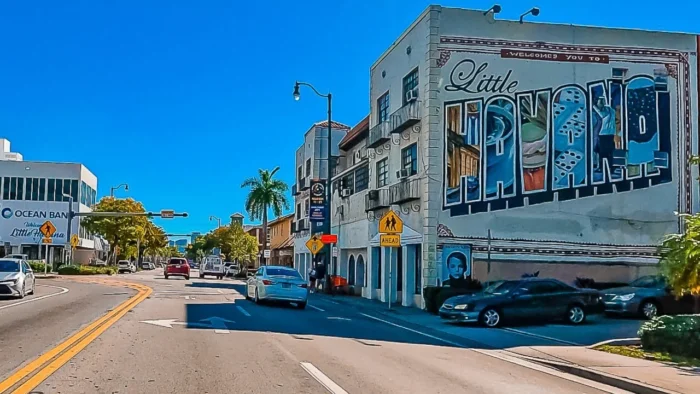
Little Havana feels lived-in rather than curated for visitors. The experience unfolds through everyday moments: domino games played with quiet intensity, espresso passed through walk-up windows, and conversations that spill naturally onto the street. Landmarks exist, but they take a back seat to the neighborhood’s rhythm and sense of continuity.
Why visit: It provides cultural depth without forcing interpretation.
Time needed: 2 hours
Cost: Free; food and coffee ~$5–$20
Wynwood Walls & Arts District
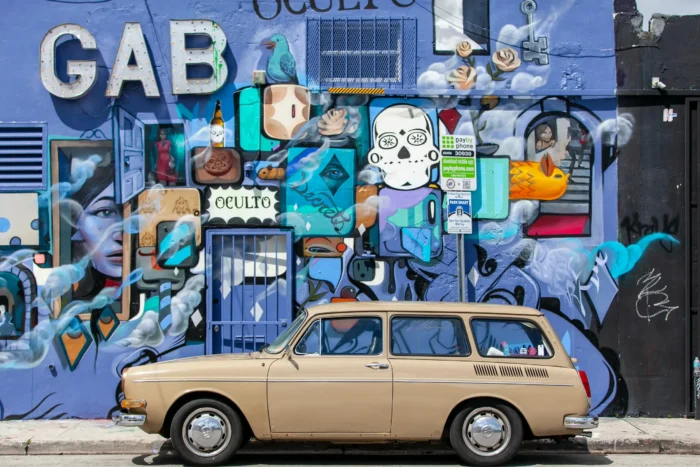
Wynwood’s large-scale murals function as a constantly changing canvas rather than a fixed collection. Streets alternate between gallery-like calm and social buzz depending on the time and day, with studios, cafés, and warehouses blending into the visual landscape. The experience feels informal and accessible, inviting observation rather than explanation.
Why visit: It reflects Miami’s creative pulse without requiring formal art knowledge.
Time needed: 1.5–2 hours
Cost: Wynwood Walls entry ~$12
Vizcaya Museum & Gardens
Vizcaya introduces a quieter, almost cinematic side of Miami. The estate’s European-inspired architecture sits deliberately within lush tropical surroundings, creating a contrast that feels measured rather than extravagant. Moving through the gardens and interiors naturally slows the pace, offering space to absorb the city from a different angle.
Why visit: It offers a break from the city’s pace while adding historical context.
Time needed: 2–3 hours
Cost: ~$25
Bayside & Biscayne Bay
Water defines Miami, and Biscayne Bay shows it in motion rather than as a backdrop. Ferries cut across the bay, yachts idle near the marina, and the skyline reflects off the water in a way that feels functional as much as scenic. The area helps connect Miami’s urban energy with its coastal setting.
Why visit: It ties together the city’s geography and lifestyle.
Time needed: 1–2 hours
Cost: Free; boat tours ~$30–$40
Neighborhood Experiences You Shouldn’t Skip
Wynwood
Creative, informal, and fast-evolving, Wynwood thrives on experimentation rather than polish. Large murals, independent studios, and low-key cafés sit comfortably beside former warehouses, giving the area an energy that feels active but not overproduced. It’s a neighborhood that rewards wandering without a fixed plan.
Coconut Grove
Leafy streets and a noticeably slower pace define Coconut Grove. The area feels residential and coastal, shaped by shaded sidewalks, small parks, and water views rather than crowds. Compared to the rest of Miami, it offers a sense of ease that makes lingering feel natural.
Brickell
Brickell reflects Miami’s modern ambition with clarity. Glass towers line the skyline, waterfront paths encourage walking, and the after-work crowd brings a steady, purposeful momentum. It’s where the city’s professional rhythm becomes most visible without losing access to the bay.
Best Food to Try in Miami (Must-Eats)
· Cuban Sandwich – Crisp bread, slow-roasted pork, and balance done right ($8–$15)
· Cafecito (Cuban Coffee) – Intensely brewed, lightly sweetened, and meant to be shared rather than rushed ($2–$4)
· Stone Crab (Seasonal) – Served chilled with mustard sauce ($35–$60)
· Latin-American Street Food (Arepas, Empanadas) – Casual, affordable food that locals rely on for quick, satisfying meals ($5–$12)
· Fresh Seafood Plates – Often better just outside beach zones ($18–$35)
· Key Lime Desserts – Less about sweetness, more about contrast ($6–$10)
Some of the most satisfying meals come from neighborhood cafés rather than beachfront restaurants.
Miami Itinerary (4–5 Days Recommended)
Day 1: Getting Oriented by the Coast
Beginning near South Beach and Lummus Park helps you understand Miami on its own terms. The open shoreline, surrounding buildings, and steady flow of activity introduce the city’s outward energy without overwhelming you. It’s less about covering ground and more about settling into the pace.
Estimated spend: $50–$80 (meals, short-distance transport)
Tip: Quieter morning hours reveal a more relaxed side of the area.
Day 2: Visual Miami — Art and Architecture
A walk through Wynwood’s murals followed by time in the Art Deco District highlights how differently creativity shows up across the city. Bold street art and structured design coexist, offering contrast without competition.
Estimated spend: $70–$100 (entry fees, food, transport)
Tip: Moving on foot allows the character shift between neighborhoods to feel more natural.
Day 3: Everyday Culture and Preserved History
Little Havana brings you into Miami’s living cultural fabric through conversation, food, and routine. Vizcaya, on the other hand, slows everything down, offering a more reflective look at the city’s past. Together, they create balance.
Estimated spend: $90–$120 (food, entry tickets, transport)
Day 4: The City Through Its Waterways
Exploring Biscayne Bay alongside Brickell shows how Miami functions beyond its image. Boats, business districts, and public paths overlap, giving insight into daily life rather than spectacle.
Estimated spend: $80–$110 (meals, optional boat experience, transport)
Tip: Waterfront walks provide context without adding cost.
Day 5 (Optional): Slowing the Pace
Coconut Grove works well as a closing chapter. The neighborhood’s calmer streets and residential feel encourage reflection rather than exploration, making it ideal for an unstructured final day.
Estimated spend: $60–$90 (food, local travel)
Tip: Revisit places you enjoyed instead of adding new ones.
Overall Budget Summary (Per Person, Excluding Flights)
Typical daily spend: $80–$110
Estimated total for 4–5 days: $350–$550
Accommodation estimates (per night):
Budget: $60–$100
Mid-range: $140–$220
Where to Stay in Miami
· South Beach: Close to beaches and public transport
· Brickell: Central, walkable, well-connected
· Downtown Miami: Balanced access to transit and attractions
Conclusion
Miami rarely responds well to rigid planning. The city works best when there’s room to adjust, when weather, energy, and simple curiosity are allowed to guide decisions instead of strict schedules. Its character isn’t revealed all at once, but gradually, through contrast, movement, and unplanned pauses.
A memorable Miami trip has less to do with how much you cover and more to do with how present you remain while moving through it. When you follow the city’s rhythm rather than forcing your own, the most lasting moments tend to be the ones you never set out to find but the ones that linger quietly long after the day ends.
