
Las Vegas isn’t a city you gradually settle into; it announces itself immediately. From the moment you arrive, everything feels heightened: the lights are brighter, the nights run longer, and the city seems designed to keep you moving forward. It’s a place built on spectacle, but it surprises many travelers with how much choice and variety sit beneath the surface.
Beyond the casinos and neon signs, Las Vegas offers distinct experiences packed tightly into a short distance. You can move from luxury resorts to live entertainment, from high-energy nightlife to desert landscapes, all within the same trip. Whether you arrive with a plan or decide as you go, the city adapts quickly to how you want to experience it.
This guide is created to help you make the most of Las Vegas without overcomplicating the journey, focusing on standout moments, smart pacing, and experiences that define the city so your trip feels exciting, intentional, and easy to enjoy.
How to Reach Las Vegas
Las Vegas is easy to access, especially for travelers within the United States.
By Air
The city is served by Harry Reid International Airport, located just minutes from the Strip. It handles a high volume of domestic flights and several international routes, making arrival quick and convenient.
From the airport, taxis, ride-sharing services, hotel shuttles, and rental cars provide easy access to the Strip and downtown.
By Road
Las Vegas is a popular road-trip destination, particularly from Los Angeles and Southern California. Well-maintained highways connect the city to nearby states.
Key Places and Experiences Across Las Vegas
Las Vegas works best when you approach it in layers: iconic attractions, entertainment, food, and nearby landscapes all contribute to the experience.
The Las Vegas Strip
The Strip is the heart of the city’s energy. This stretch of road brings together themed resorts, live entertainment, restaurants, and constant visual spectacle.
Visitors often spend time here taking in the atmosphere rather than rushing from one point to another.
Recommended activities include:
· Exploring multiple resort interiors
· Watching the city light up after dark
· Enjoying street-level views and people-watching
Time needed: 3–5 hours (spread across evenings)
Cost: Free to explore
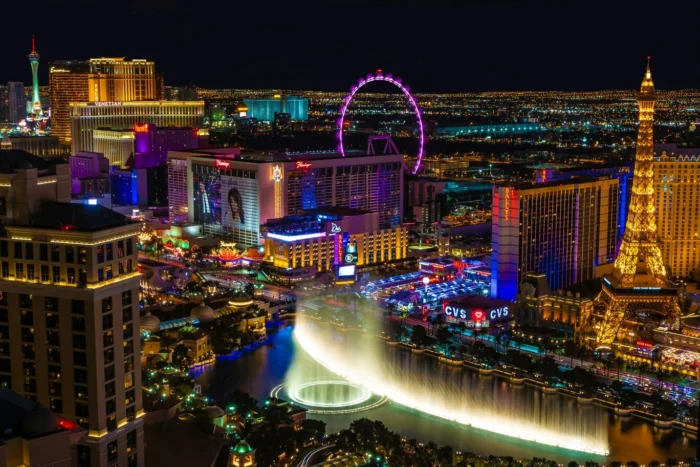
Bellagio Fountains & Conservatory
The Bellagio offers two of Las Vegas’s most recognizable experiences. The fountains perform regularly throughout the day and night, while the indoor conservatory changes displays seasonally.
Recommended activities include:
· Watching the fountain show after sunset
· Walking through the conservatory installation
Time needed: 45–60 minutes
Cost: Free
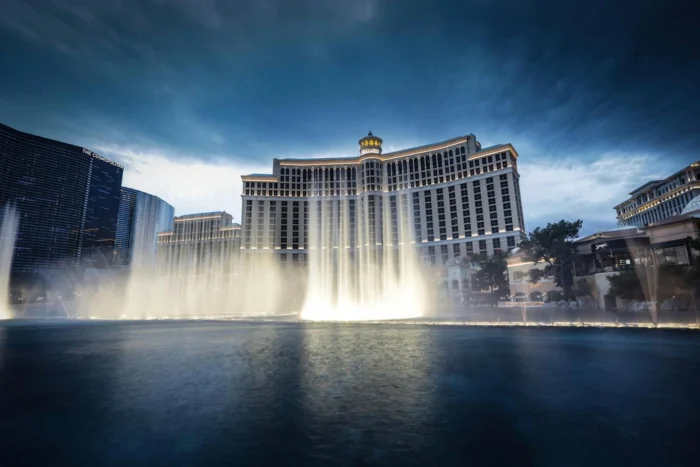
Fremont Street (Downtown Las Vegas)
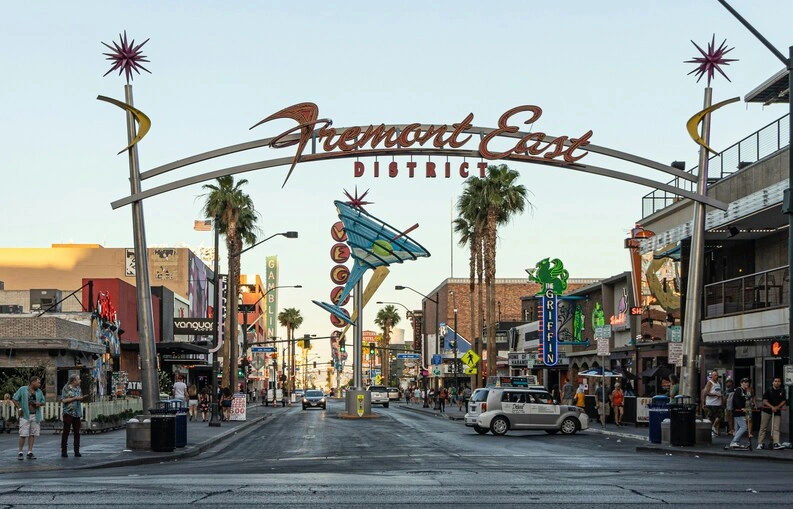
Downtown Las Vegas offers a different atmosphere from the Strip. Fremont Street combines classic Vegas character with live music, light shows, and a more casual energy.
Recommended activities include:
· Watching the overhead light canopy show
· Exploring vintage casinos and bars
· Enjoying live street performances
Time needed: 2–3 hours
Cost: Free to explore
Live Shows & Entertainment
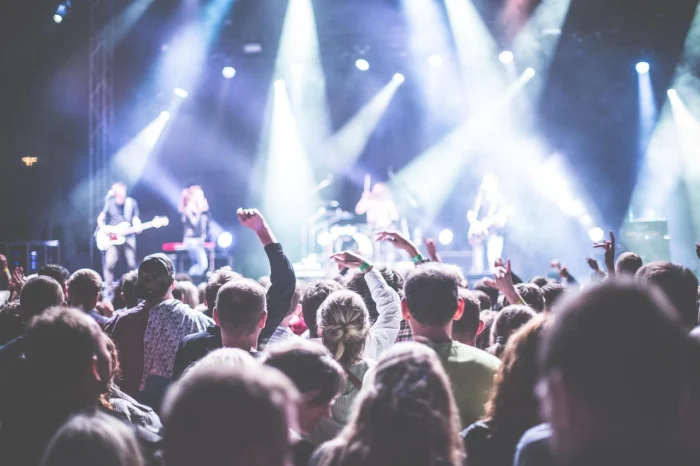
Las Vegas is known globally for its live performances, ranging from concerts and residencies to acrobatic and theatrical productions.
Recommended activities include:
· Booking one major show during your stay
· Choosing evening performances for the full effect
Time needed: 2–3 hours
Cost: $60–$150+ depending on show
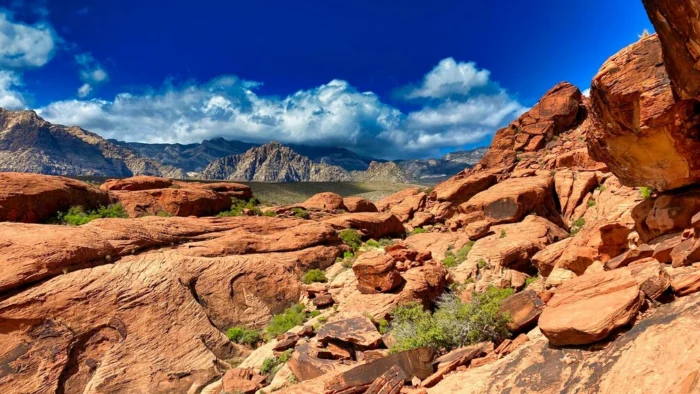
Red Rock Canyon (Nearby Escape)
Just outside the city, Red Rock Canyon provides a sharp contrast to the Strip. Scenic drives and short trails offer a chance to see the desert landscape up close.
Recommended activities include:
· Scenic driving loop
· Short nature walks
· Sunset views
Time needed: Half day
Cost: $15 per vehicle (park entry)
Neighborhood Experiences You Shouldn’t Skip
The Strip Resorts (By Theme)
Each major resort has its own identity, from luxury and elegance to bold spectacle. Exploring different properties gives a sense of how varied the Strip really is.
Why visit:
· Distinct architecture and interiors
· Multiple dining and entertainment options in one place
Downtown Las Vegas
Downtown feels more local and spontaneous compared to the Strip.
Why visit:
· Lower-cost entertainment
· Live music and open-air atmosphere
· Historic Vegas character
Best Food to Try in Las Vegas
Las Vegas stands out as a top food destination in the U.S., offering everything from quick bites to globally known restaurants. The city makes it easy to mix casual meals with memorable dining experiences.
Buffets remain a Vegas staple, with well-known options like Bacchanal Buffet and The Buffet at Wynn, typically priced $35–$70.
For casual and late-night eats, places such as Secret Pizza and Tacos El Gordo are popular and affordable, usually around $10–$20.
If you want a standout dining experience, celebrity-chef restaurants like Gordon Ramsay Hell’s Kitchen, Nobu, and Giada offer memorable meals starting around $40–$80+.
Cocktail lounges such as The Chandelier add the perfect finishing touch to a night on the Strip.
Las Vegas Itinerary (4 days)
Day 1 – Arrival & First Night on the Strip
After arriving and checking in, step straight into the atmosphere that defines Las Vegas. Spend your first few hours exploring the section of the Strip closest to your hotel, moving through resort interiors to get a sense of how dramatically each one differs in theme and scale.
As night falls, head toward the Bellagio area. Watching the fountain show after dark is an easy introduction to classic Vegas, dramatic, loud, and unmistakably iconic. From here, continue along the Strip, taking in the lights and energy before settling in for dinner.
End the night with a casual stroll or a lounge visit rather than a packed agenda. The goal is to feel the city, not exhaust yourself on day one.
Estimated spend: $40–$60
Tip: Save clubs and headline shows for later nights when energy is higher.
Day 2 – Exploring the Strip and Vegas Nightlife
This day is dedicated to experiencing the heart of the Las Vegas Strip.
Spend the earlier part of the day exploring major resorts such as Bellagio, Caesars Palace, and The Venetian. Focus on interiors, themed spaces, and public attractions rather than rushing between locations. Late morning and early afternoon are ideal for this, as crowds are lighter.
Take a break midday, whether that’s lunch, pool time, or downtime at the hotel, then reset for the evening.
At night, plan one major experience. This could be a live show, concert, or residency performance. Afterward, keep the momentum going with nightlife, rooftop views, or a late-night meal.
This day captures the side of Las Vegas most people come to see.
Estimated spend: $90–$160 (show + food + transport)
Tip: Book shows in advance but keep post-show plans flexible.
Day 3 – Downtown Vegas & Fremont Street Energy
Switch scenes on day three by heading to Downtown Las Vegas. Reaching the area earlier gives you time to see it before the nighttime crowds take over. Compared to the Strip, Downtown has a looser, less polished character shaped by older casinos, bars, and open-air activity.
As evening arrives, Fremont Street transforms. A combination of light shows, live music, and street acts creates an atmosphere you can enjoy without staying in one place. The evening works well for relaxed meals and moving between different spots as the night unfolds. Stay as long as you like; Fremont Street nightlife doesn’t rely on strict schedules.
Estimated spend: $50–$80
Tip: Fremont Street shines after sunset; timing matters here.
Day 4 – Red Rock Canyon or Final Strip Highlights
Your final day is about contrast or closure; you choose.
For a change of scenery, head to Red Rock Canyon for a half-day escape into the desert. The scenic drive alone offers views that feel worlds away from the Strip, and short stops let you experience the landscape without turning the day into a physical challenge.
If you prefer to stay in the city, use this time to revisit favorite resorts, do last-minute shopping, or enjoy a relaxed brunch. This is also the best day to fit in anything you may have skipped earlier.
Wrap up with a final walk through the Strip or a simple farewell meal before departure.
Estimated spend: $40–$70
Tip: Avoid overbooking your last day and leave room for travel logistics.
Budget Overview (Per Person, Excluding Flights)
Daily average: $80–$130
4-day total: $320–$520
Accommodation:
Budget: $80–$120/night
Mid-range: $150–$250/night
Where to Stay in Las Vegas
· The Strip: Best for first-time visitors and easy access to attractions
· Downtown Las Vegas: Lower costs and a more casual vibe
· Off-Strip Resorts: Quieter stays with better room value
Photography Tips for Las Vegas
Las Vegas is best photographed after dark, when the Strip lights and neon signs bring the city to life. Early evening works well for capturing both daylight details and nighttime glow without harsh contrasts.
Resort interiors often allow photography, but be mindful in casino areas where restrictions may apply. Downtown Las Vegas and Fremont Street offer great opportunities for candid shots, light trails, and street scenes.
For contrast, consider photographing Red Rock Canyon during daylight hours. The natural colors and wide landscapes provide a striking change from the city’s nighttime visuals.
Conclusion
Las Vegas isn’t about doing everything, it’s about choosing what fits your energy. One moment can be high-octane and loud, the next calm and reflective. That flexibility is what keeps people coming back.
Whether you arrive with a detailed plan or decide everything as you go, Las Vegas meets you where you are. It’s a city built for escape, choice, and reinvention, and when approached at the right pace, it delivers far more than just bright lights.
