
Charleston is a city where history is not confined to museums; it lives in the streets, the architecture, the food, and the everyday rhythm of life. From pastel-colored homes and cobblestone lanes to waterfront promenades and celebrated Southern cuisine, Charleston delivers an experience that feels refined, character-rich, and unmistakably timeless.
It is one of the most distinctive cities in the United States, known for its preserved historic charm, coastal setting, and deep-rooted cultural identity. Set along South Carolina’s Atlantic coast, the city blends centuries-old architecture with modern dining, scenic waterfront views, and a walkable historic core that invites exploration at every turn.
What sets Charleston apart is its balance. The city feels polished without being formal, historic without feeling frozen in time, and lively without losing its sense of grace. Whether you’re drawn by architecture, food, history, beaches, or photography, Charleston offers a layered travel experience that rewards attention and curiosity.
This guide covers everything you need to plan a trip to Charleston; how to reach the city, how to get around, the best places to visit, how many days to spend, where to stay for convenience, food recommendations, the best time to visit, and practical travel tips.
Where Is Charleston Located?
Charleston is located in southeastern South Carolina along the Atlantic coast. The city sits at the junction of the Ashley and Cooper Rivers, opening into Charleston Harbor. This coastal position shapes much of Charleston’s identity, from its historic port roots to its waterfront promenades and easy access to nearby beaches.
Charleston’s historic district occupies a peninsula, which makes many of its major attractions accessible on foot and visually cohesive.
How to Reach Charleston, South Carolina
Flying to Charleston
The most convenient way to reach the city is by flying into Charleston International Airport (CHS). Charleston International Airport is roughly a 20-minute drive from the city center and offers flights to many major U.S. hubs.
Common direct or connecting hubs include:
· Atlanta
· Charlotte
· New York
· Washington, D.C.
· Dallas
Taxis, ride-shares, and rental cars are readily available at the airport.
Driving to Charleston
Charleston is also a popular stop on Southeastern road trips.
Approximate driving times:
· Savannah: ~2 hours
· Charlotte: ~3.5 hours
· Atlanta: ~5 hours
· Orlando: ~6 hours
Driving is especially useful if you plan to explore nearby beaches or neighboring coastal towns.
If you have a car, Charleston also works well as a base for short coastal excursions. Nearby destinations add variety to your trip without requiring extra planning or overnight stays.
· Folly Beach (20–25 minutes): Known for its easygoing vibe, this beach is well suited for unplanned beach outings and sunset views.
· Sullivan’s Island (20 minutes): Known for wide beaches, historic Fort Moultrie, and quieter coastal scenery.
· Isle of Palms (30 minutes): A good option for clean beaches, beachside cafés, and family-friendly spots.
· Mount Pleasant (15 minutes): Offers scenic waterfront parks, views across the harbor, and access to areas near the Ravenel Bridge.
These short drives allow travelers to balance Charleston’s historic charm with relaxed coastal time, making it easy to extend the trip beyond the city itself.
Getting Around Charleston
Walking
Charleston’s historic district is compact and flat, making walking one of the best ways to experience the city. Many landmarks, restaurants, and neighborhoods are located within a short distance of each other.
Car Rental
A car is helpful if you plan to visit beaches such as Folly Beach or Sullivan’s Island, or if you’re staying outside the historic district.
Bikes and Rideshares
Bike rentals are popular for short distances, and ride-shares work well within the city for evenings or point-to-point travel.
Best Places to Visit in Charleston
Historic Downtown Charleston
At the center of Charleston lies the historic district, where pastel-hued historic homes, ironwork balconies, and cobblestone lanes define the city’s character. Walking through downtown offers a clear sense of Charleston’s architectural heritage and layered history.

Rainbow Row
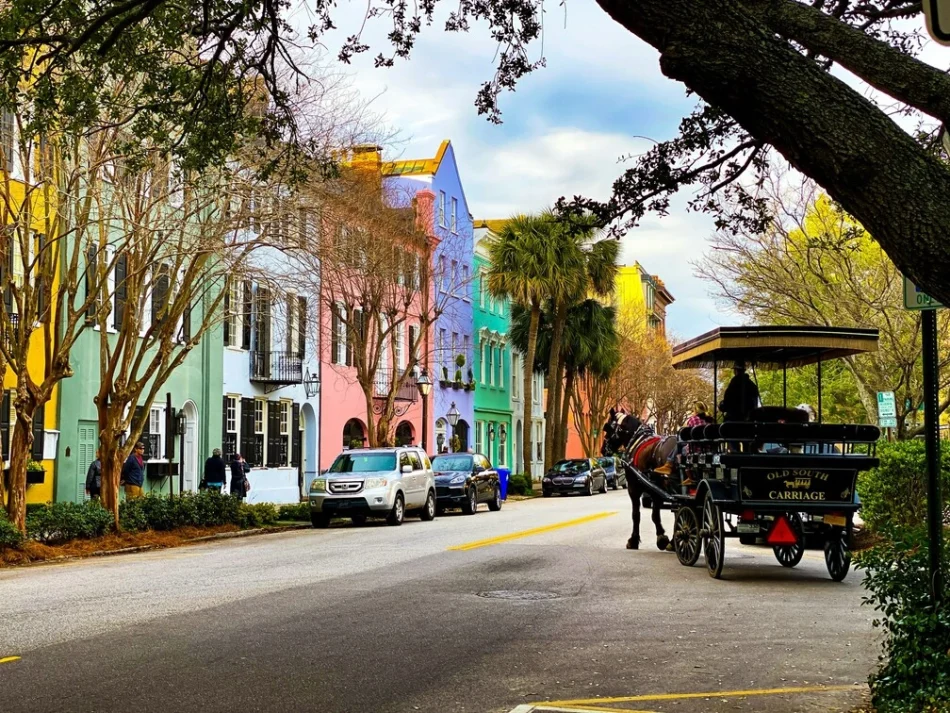
One of Charleston’s most photographed locations, Rainbow Row features a series of brightly colored historic homes along East Bay Street. It’s a brief stop, but an iconic one.
The Battery and White Point Garden
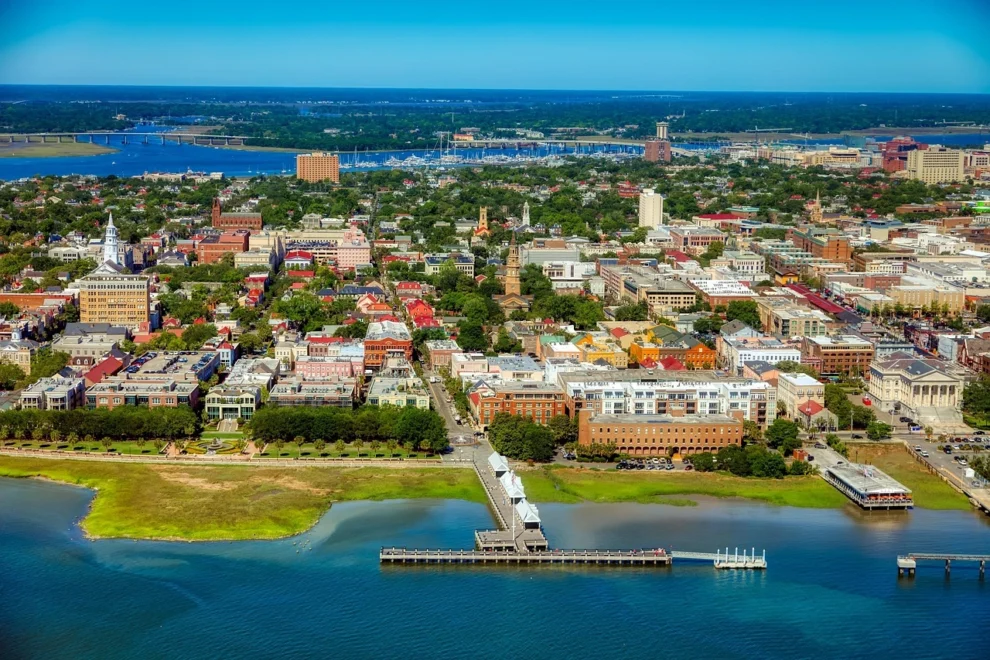
Positioned at the peninsula’s southern edge, The Battery provides expansive views of the harbor, grand historic homes, and the surrounding coastline. White Point Garden nearby provides shaded paths and waterfront views.
Charleston City Market
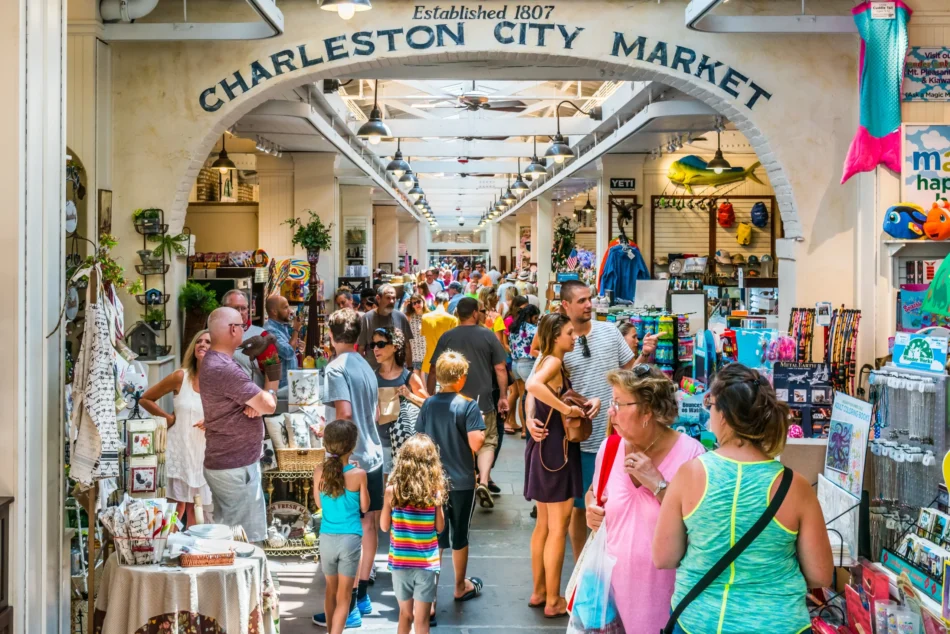
Among the nation’s oldest public markets, Charleston City Market features regional crafts, specialty foods, and locally made products, making it a worthwhile stop for cultural browsing.
Waterfront Park
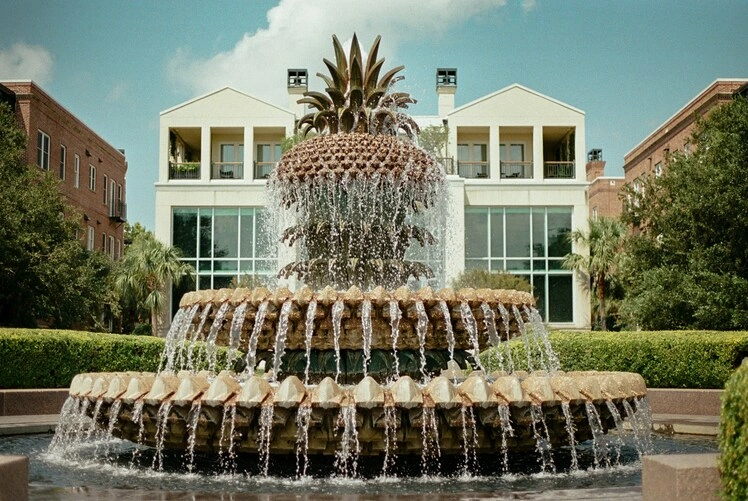
Known for its pineapple fountain and harbor views, Waterfront Park offers open space to sit, walk, and enjoy views of the water and passing boats.
How Many Days Do You Need in Charleston?
2–3 days: Enough to explore the historic district and main landmarks
4–5 days: Ideal for museums, food experiences, and beach visits
6 days or more: Best if you want to explore surrounding islands and nearby towns
Charleston works well for both short city breaks and longer coastal itineraries.
Where to Stay in Charleston
When choosing where to stay in Charleston, each neighborhood offers a distinct experience. The Historic District is ideal for first-time visitors, with its charming streets and walkable access to major attractions, restaurants, and boutique shops. If you prefer a lively and central atmosphere, the French Quarter places you close to top dining spots, local markets, and vibrant nightlife. For those seeking more space and a quieter stay, Mount Pleasant offers spacious accommodations along with easy access to beaches and downtown Charleston via a scenic bridge, making it a great option for families or longer stays.
Food to Try in Charleston
Charleston is widely regarded as one of the best food cities in the United States.
· Local Specialties
· Shrimp and grits
· She-crab soup
· Lowcountry seafood dishes
Southern comfort food with coastal influences
Dining Experiences
· Fine dining restaurants in historic buildings
· Waterfront seafood spots
· Casual cafés and bakeries
· Chef-driven Southern cuisine
Food in Charleston is deeply tied to regional history and ingredients.
Best Time to Visit Charleston
March to May
· Mild temperatures
· Spring blooms
· Ideal for walking and sightseeing
September to November
· Fewer crowds
· Pleasant weather
· Excellent for photography
Summer (June to August)
· Hot and humid
· Quieter in the historic district
· Good for beach-focused trips
Photography Tips for Charleston
Charleston is highly photogenic, but timing, light, and perspective make a noticeable difference.
Best Time of Day
Early morning is ideal for photographing the historic district, Rainbow Row, and The Battery, when streets are quieter and light is soft. Late afternoon and early evening work best for waterfront areas and River Street, where warm light adds depth to textures and architecture.
Lighting Considerations
Side lighting highlights Charleston’s pastel homes, ironwork balconies, and cobblestone streets more effectively than overhead light. Overcast days are excellent for architectural details and street photography, as colors appear balanced and shadows are minimal.
Recommended Locations
· Rainbow Row for iconic pastel facades
· The Battery for waterfront and historic mansions
· Charleston City Market area for street scenes
· Waterfront Park and Pineapple Fountain for reflective compositions
· Residential streets below Broad Street offering a more genuine, lived-in Charleston backdrop for photos
Composition Tips
Use doorways, gates, and tree-lined streets as natural frames. Low angles work well for historic homes, while wider shots capture the symmetry of Charleston’s streets. Including subtle human elements; people walking or sitting, adds scale without overwhelming the scene.Gear Suggestions
a standard 35mm or 50mm lens works well for street and architectural photography. A wide-angle lens is useful for waterfront views, while a polarizing filter helps reduce glare near water.
Final Thoughts: Is Charleston Worth Visiting?
Charleston is a city that reveals itself through layers rather than landmarks. Its beauty isn’t defined by a single attraction, but by how history, architecture, food, and coastal influences come together in everyday scenes. From quiet morning walks past pastel homes to evenings spent along the harbor, the city offers moments that feel personal and unforced.
What makes Charleston especially rewarding is its balance. You can explore historic neighborhoods, enjoy a thriving food culture, and still reach peaceful beaches within a short drive. Whether your interest lies in history, coastal scenery, photography, or simply experiencing a place with strong character, Charleston provides depth without feeling overwhelming.
For travelers seeking a destination that combines culture, charm, and easy access to the coast, Charleston delivers an experience that lingers long after the visit ends.
