
Aspen has a way of outgrowing the stories told about it. Surrounded by the high peaks of the Roaring Fork Valley, the town feels cinematic without needing embellishment, red-brick streets open toward ski slopes, gondolas climb directly from downtown, and outdoor trails begin where neighborhoods end. Aspen blends altitude, design, culture, and adventure into a destination that works in every season. Winter brings legendary snow sports, summer reveals wildflower-lined routes and festival-filled calendars, and autumn sets the mountains ablaze with gold and copper colors. Visitors come expecting a ski town and discover a place with far more dimension: inventive restaurants, independent bookstores, galleries, music venues, and a community shaped by people who live as boldly as the landscape around them.
The appeal of Aspen lies in scale and possibility. You can step off a plane and be at the base of Aspen Mountain within minutes, ride the Silver Queen Gondola to viewpoints that feel lifted from a travel magazine, or drive Independence Pass into alpine terrain that stretches toward the Continental Divide. For travelers who want a trip that feels adventurous, social, visually powerful, and full of variety, Aspen delivers an experience that is engaging from arrival to departure.
Where Is Aspen Located?
Aspen is located in western Colorado, within the Roaring Fork Valley of the Rocky Mountains. Surrounded by high peaks and national forest land, Aspen sits at an elevation of nearly 8,000 feet, which shapes both its climate and its dramatic alpine scenery.
Despite its mountain setting, Aspen is well developed and easy to navigate, with a compact downtown area surrounded by ski mountains, trail systems, and scenic roads.
How to Reach Aspen, Colorado
Flying to Aspen
The most direct option is Aspen/Pitkin County Airport (ASE), located just a few minutes from downtown. It offers limited direct flights from select U.S. cities, primarily during peak seasons.
After landing at Aspen/Pitkin County Airport (ASE), visitors can reach downtown within minutes by taxi or hotel shuttles. Denver International Airport and Eagle County Regional Airport provide alternative gateways with road connections through Glenwood Springs and the Roaring Fork corridor, making Aspen easy to combine with nearby Colorado destinations.
For more flexibility, many travelers fly into:
· Denver International Airport, followed by a 4–5 hour drive
· Eagle County Regional Airport, approximately a 90-minute drive from Aspen
Driving to Aspen
Driving to Aspen is scenic but involves mountain roads and occasional passes. Winter travelers should monitor weather conditions and be prepared for snow.
Getting Around Aspen
Aspen has one of the most efficient transportation systems of any mountain town.
· Free public buses connect Aspen with Snowmass and nearby areas
· Walking works well in downtown Aspen
· Bike rentals are popular during warmer months
· Car rentals are useful for scenic drives and day trips
Once in town, a car is optional unless you plan to explore beyond Aspen itself.
Best Places to Visit in Aspen, Colorado
Aspen Mountain (Ajax)
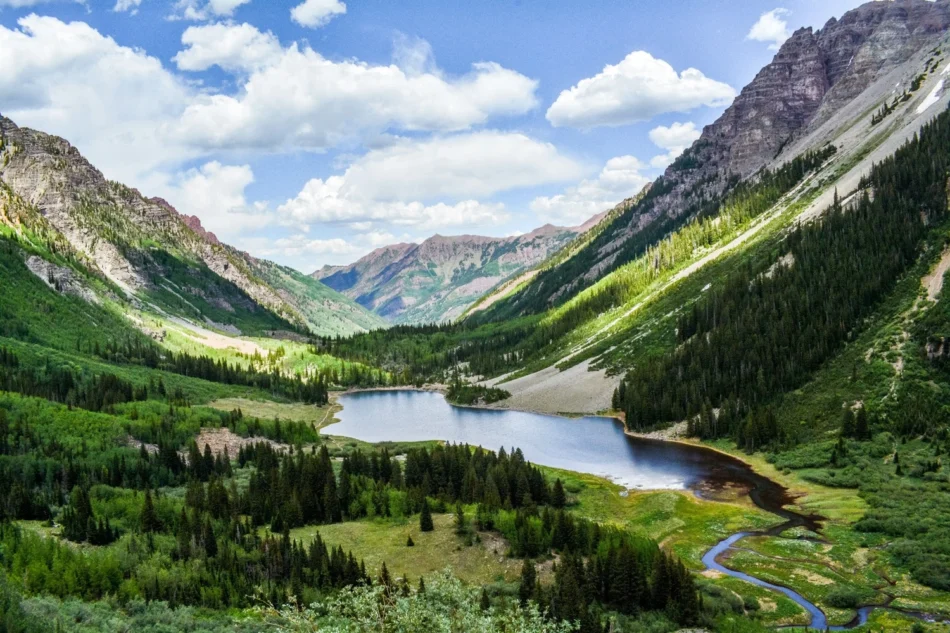
Aspen Mountain rises directly above downtown and is one of the town’s defining features. In winter, it’s known for challenging ski terrain. In warmer months, the gondola provides access to panoramic viewpoints, hiking routes, and mountaintop dining.
05:45 – 07:15 AM for summit scenery; 04:40 – 06:10 PM for mountain-silhouette photos.
How to reach: Ride the Silver Queen Gondola from Downtown Aspen; the base is walkable from most central hotels.
Maroon Bells
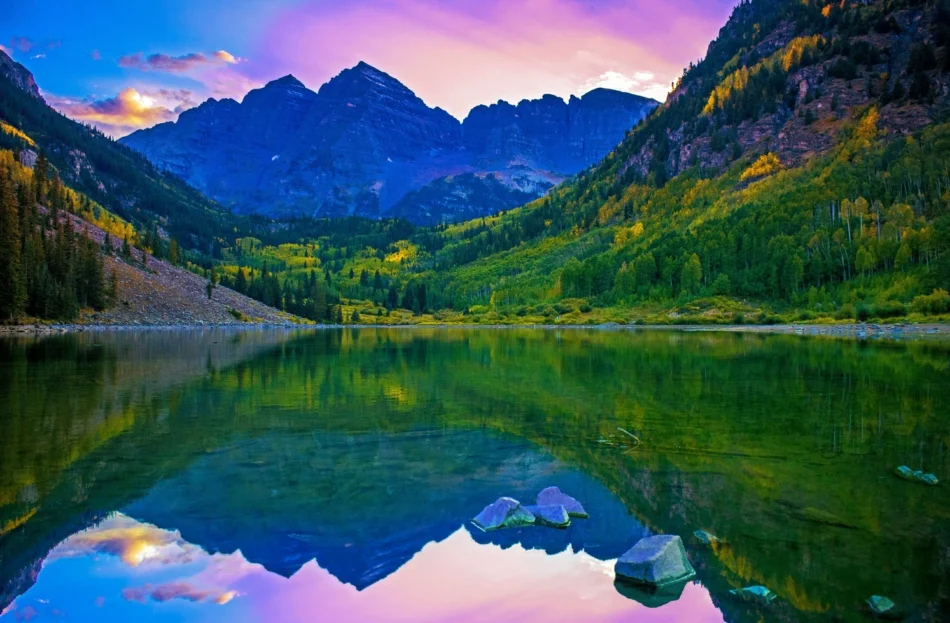
The Maroon Bells rank among North America’s most frequently photographed mountain peaks. Located a short drive from Aspen, these twin peaks are best known for their dramatic reflection in Maroon Lake. Access is managed seasonally, often requiring a shuttle reservation.
06:15 – 08:00 AM for reflections at Maroon Lake; 05:00 – 06:30 PM for layered red-rock foregrounds.
How to reach: Take the RFTA shuttle from Aspen Highlands (advance reservation required in many months).
Snowmass Village
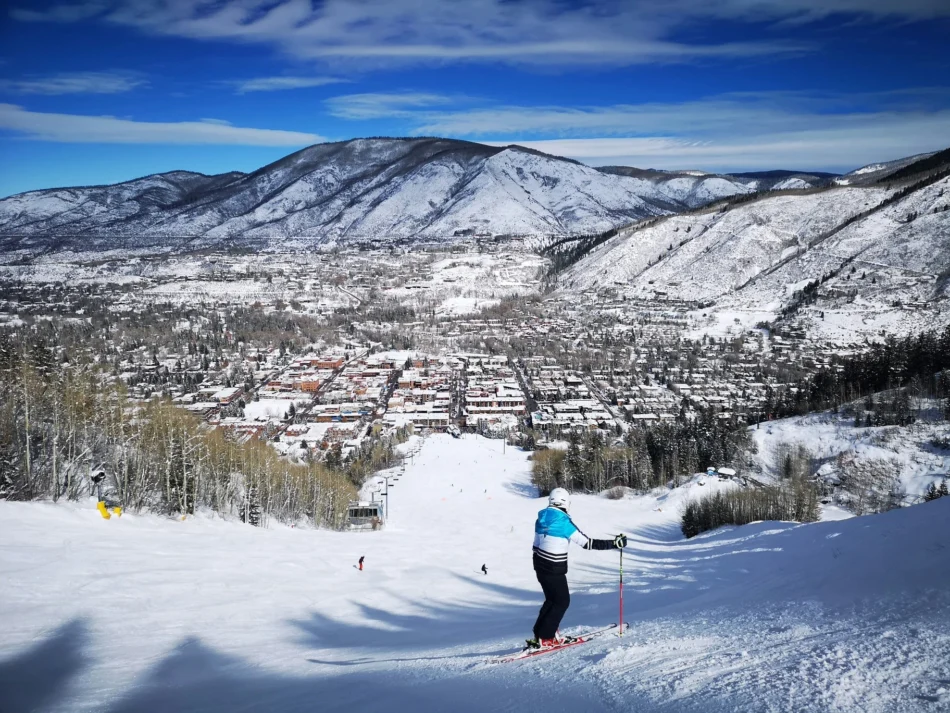
Snowmass Village offers a broader resort-style experience with wide ski slopes, extensive hiking trails, and family-friendly amenities. It’s quieter than downtown Aspen but well connected via free transit.
04:50 – 06:20 PM for wide valley viewpoints and gondola deck scenery.
How to reach: Free RFTA buses from Aspen (≈25 minutes) or direct access if staying in Snowmass.
Independence Pass
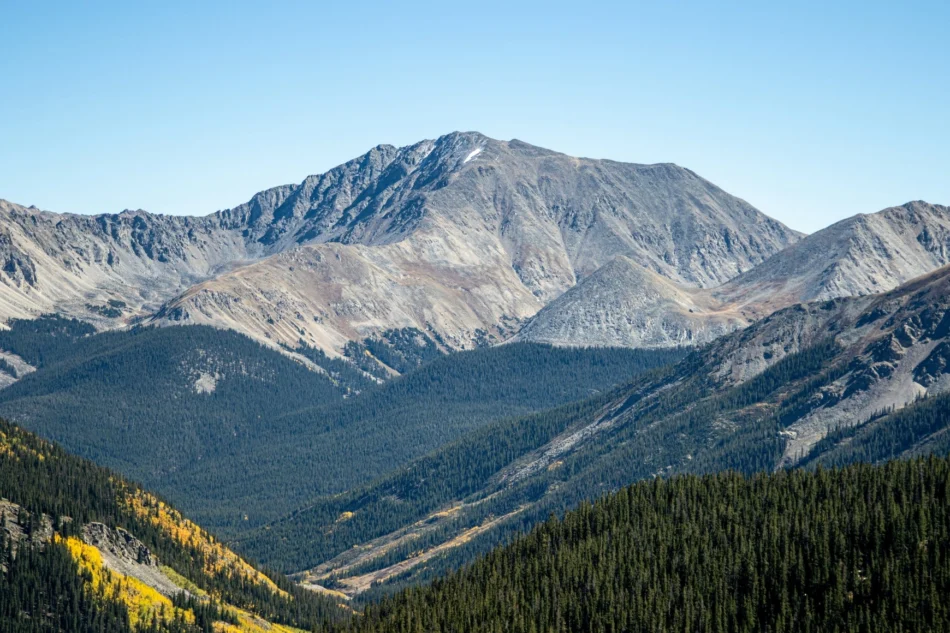
Independence Pass is one of Colorado’s most scenic drives, climbing above 12,000 feet. Open seasonally, it features alpine viewpoints, pull-offs, and short trails with sweeping mountain views.
05:30–07:00 AM for alpine lakes; 04:30 – 06:15 PM for road-vista photography.
How to reach: Drive Highway 82 from Aspen; the pass is seasonal (usually closed mid-winter).
Downtown Aspen
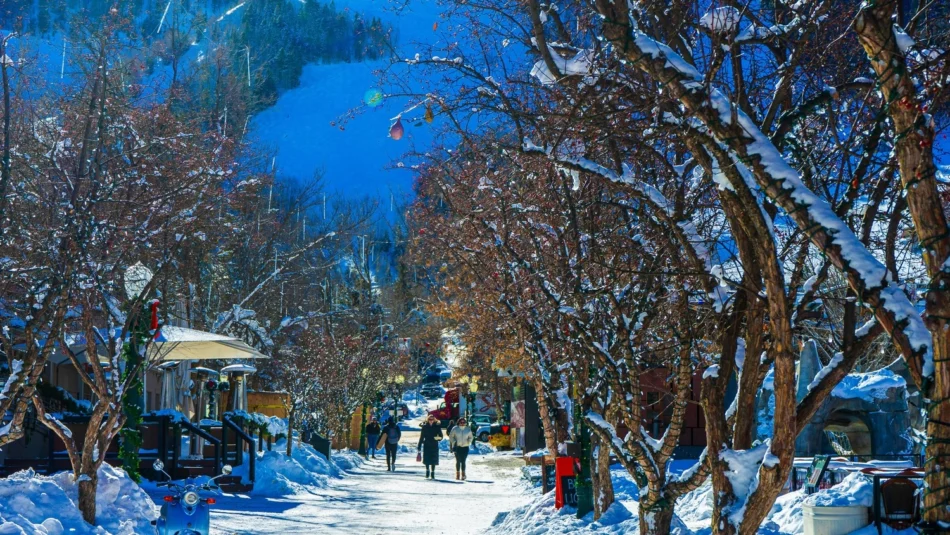
Aspen’s downtown area blends historic buildings, art galleries, boutiques, cafés, and restaurants into a walkable core. The town feels active year-round, with cultural events, live music, and seasonal festivals adding to the atmosphere.
06:35 – 07:25 PM blue hour for brick façades and iron balconies; 09:00 – 11:00 AM for street shots.
How to reach: The historic downtown core is walkable and does not require a car.
How Many Days Do You Need in Aspen?
2–3 days: Enough to explore mountain landmarks and the cultural center of Aspen
4–5 days: Ideal for mixing outdoor activities, scenic drives, and cultural experiences
6+ days: Best for deeper exploration, multiple ski areas, and nearby day trips
Aspen’s variety makes it easy to fill several days without repeating experiences.
Where to Stay in Aspen
Downtown Aspen: Best for walkability, dining, and nightlife
· Snowmass Village: More space, resort-style accommodations
· Near Aspen Mountain: Ski-in/ski-out convenience during winter
Accommodation options cover resorts, boutique properties, and rental homes
Food and Dining in Aspen
Aspen’s dining scene reflects its international appeal and seasonal population. You’ll find:
· Contemporary American cuisine
· Alpine and European-inspired dishes
· Casual cafés and bakeries
· High-end dining with mountain views
Many dining spots highlight fresh ingredients and chef-driven creativity.
Best Time to Visit Aspen
· December to March: Prime ski season
· June to September: Hiking, festivals, and alpine scenery
· Late September to early October: Fall foliage, especially around Maroon Bells
Each season offers a distinct experience, making Aspen a true year-round destination.
Photography Tips for Aspen
· Gear: 24–70mm lens for streets; 70–200mm for Bells
· Best locations: Maroon Bells, Independence Pass, Aspen Mountain gondola viewpoints
· Best light: Early morning for lakes and reflections; late afternoon for mountain textures
· Composition tips: Include foreground elements like trails, trees, or water for scale
· Seasonal focus: Snow contrast in winter, wildflowers in summer, golden aspens in fall
Aspen rewards photographers who explore beyond town limits.
Final Thoughts: Is Aspen Worth Visiting?
Aspen delivers far more than its ski-town reputation suggests. It combines dramatic mountain scenery, strong cultural offerings, and a well-developed town experience into a destination that feels engaging across seasons. Whether you arrive for winter sports, summer exploration, or alpine photography, Aspen offers an experience that feels substantial and memorable.
For travelers looking to experience the Rocky Mountains with both depth and variety, Aspen stands out as one of Colorado’s most compelling destinations.
